Exhibitions
Exhibitions
Der Fall Freud: Dokumente des Unrechts
- Berggasse 19, Wien, Österreich
Seeds: Reclaiming Roots, Sowing Futures
KunstHausWien - Untere Weißgerberstraße 13, 1030 Wien, Österreich
My Story: Antike Frauenporträts und ihr Nachleben
Kunsthistorisches Museum - Maria-Theresien-Platz, 1010 Wien, Österreich
VALLY WIESELTHIER: Bild und Ton
MAK - Museum für angewandte Kunst - Stubenring 5, 1010 Wien, Österreich
OTTO MEETS ALBERTINA
Albertina - Albertinaplatz, 1010 Wien, Österreich
Terminal Piece
mumok – Museum moderner Kunst Stiftung Ludwig Wien - Museumsplatz 1, 1070 Wien, Österreich
Vasarely – Adrian: Bewegte Bilder
Alberetina Modern - Karlsplatz 5, 1010 Wien, Österreich
Vision und Widerstand – Wie das MuseumsQuartier die Stadt Wien veränderte
MQ Freiraum - Museumsplatz 1, 1070 Wien, Österreich
HERBERT BOECKL – HANS JOSEPHSOHN: Archetypen des Figuralen
- Museumsplatz 1, 1070 Wien, Österreich
OTTO MUEHL: Kunst am Abgrund
Wiener Aktionismus Museum (WAM) - Weihburggasse 26, Innere Stadt 1010 Wien, Österreich
Picasso – Bacon: What It Feels Like to Be Human
Albertina - Albertinaplatz, 1010 Wien, Österreich
Erika Giovanna Klien: Alles ist Bewegung
Unteres Belvedere - Rennweg 6, 1030 Wien, Österreich
Elisabeth von Samsonow
Heidi Horten Collection - Hanuschgasse 3, 1010 Wien, Österreich
SHARA HUGHES
Albertina - Albertinaplatz, 1010 Wien, Österreich
JONAS HÖSCHL | Polizeipferde für Österreich
Bildraum 01 - Strauchgasse 2, 1010 Wien, Österreich
Künstlerinnen der ALBERTINA
Albertina - Albertinaplatz, 1010 Wien, Österreich
Temporär. Strukturen der Notwendigkeit
Architekturzentrum Wien - Museumsplatz 1, 1070 Wien, Österreich
FEMINIST FUTURES FOREVER
Belvedere 21 - Arsenalstraße 1, 1030 Wien, Österreich
Franz West
Albertina Modern - Karlsplatz 5, 1010 Wien, Österreich
Tiffany Sia: Overt Listening
Kunsthalle Wien Museumsquartier - Museumsplatz 1, 1070 Wien, Österreich
NEU. SACHLICH. Fotografie der 1920er- und 1930er-Jahre
- Museumsplatz 1, 1070 Wien, Österreich
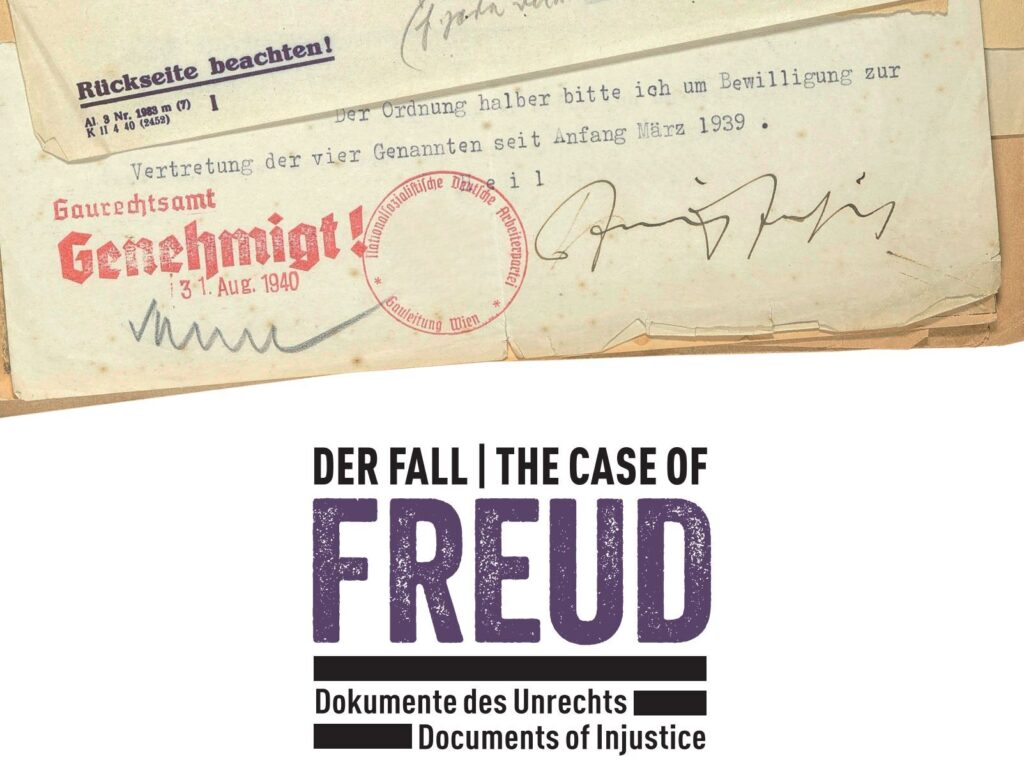
“The Case Freud. Documents of Injustice” sheds light on the final months of the Freud family in Nazi Vienna and recounts the events in the years that followed. The systematic dispossession of Sigmund Freud and his brother Alexander Freud is reconstructed in detail. New findings deepen our understanding of the fate and murder of their four sisters—Rosa Freud, Maria Freud, Adolfine Freud, and Pauline Freud—by the Nazi regime.
Unpublished (Perpetrator) Documents
The Sigmund Freud Museum recently succeeded in acquiring previously unknown documents. They come from the estate of the Nazi-appointed “provisional administrator” of the International Psychoanalytic Publishing House, which was owned by Sigmund and Anna Freud.
These documents now form the central element of the exhibition. Viewed together with hundreds of original files, business letters, and lists from the financial administrator responsible for
Alexander Freud and the four sisters, they shed light on the legal and financial mechanisms behind the Nazi crimes.
The records also reveal another act of perfidy: the founder of psychoanalysis was able to ship the entire furnishings of his home at Berggasse 19—including his antiquities collection—to London. As a result, his emigration appeared privileged in the eyes of the international public. Behind the scenes, however, the Nazis seized nearly all of his financial resources through the intermediary of the International Psychoanalytic Publishing House; in doing so, his son Martin Freud, the publishing house’s managing director, was placed under massive pressure.
Alexander Freud was the owner of the Allgemeiner Tarif‑Anzeiger. As a freight expert he was internationally recognized and had achieved greater wealth than his more famous brother. He was able to save his life and that of his wife only by surrendering all of his possessions. Penniless, they left Vienna, fled via Zurich to London, and eventually continued on to Canada.
Four of Freud’s five sisters were living in Vienna in 1938—no escape could be arranged for them. They were forced out of their homes, placed in a “collective apartment,” robbed, deported, and murdered in 1942.
Plakat. Der Fall Freud. Dokumente des Unrechts. Simund Freud Museum
Seeds: Reclaiming Roots, Sowing Futures
10/04/2026 - 14/02/2027
KunstHausWien
Untere Weißgerberstraße 13, 1030 Wien, Österreich
Seeds are the very foundation of our life. They provide us with the nutrients and raw materials we need;
they embody biological diversity;
they preserve and pass on regional knowledge and cultural heritage; and they stand for hope, change, and renewal.
The group exhibition explores the multilayered meanings of seeds as a mirror of our relationship to the earth and one another.
For the fourteen international artists of the exhibition, the seed is the starting point for their investigations from ecological, cultural, and symbolic perspectives. Originating from diverse geographical and cultural contexts, the works collected here consider migration and colonialism, indigenous knowledge and biodiversity, agriculture and food sovereignty, as well as resistance, self-empowerment, cooperative praxis based on solidarity, and regenerative futures.
Artists:
Ackroyd & Harvey, Maria Thereza Alves,
Alexandra Baumgartner, Tue Greenfort,
Kapwani Kiwanga, Dominique Koch,
Jumana Manna, Christian Kosmas Mayer,
Marzia Migliora, Lucía Pizzani, Michaela Putz,
Cecilia Vicuña, Munem Wasif
Curated by Sophie Haslinger
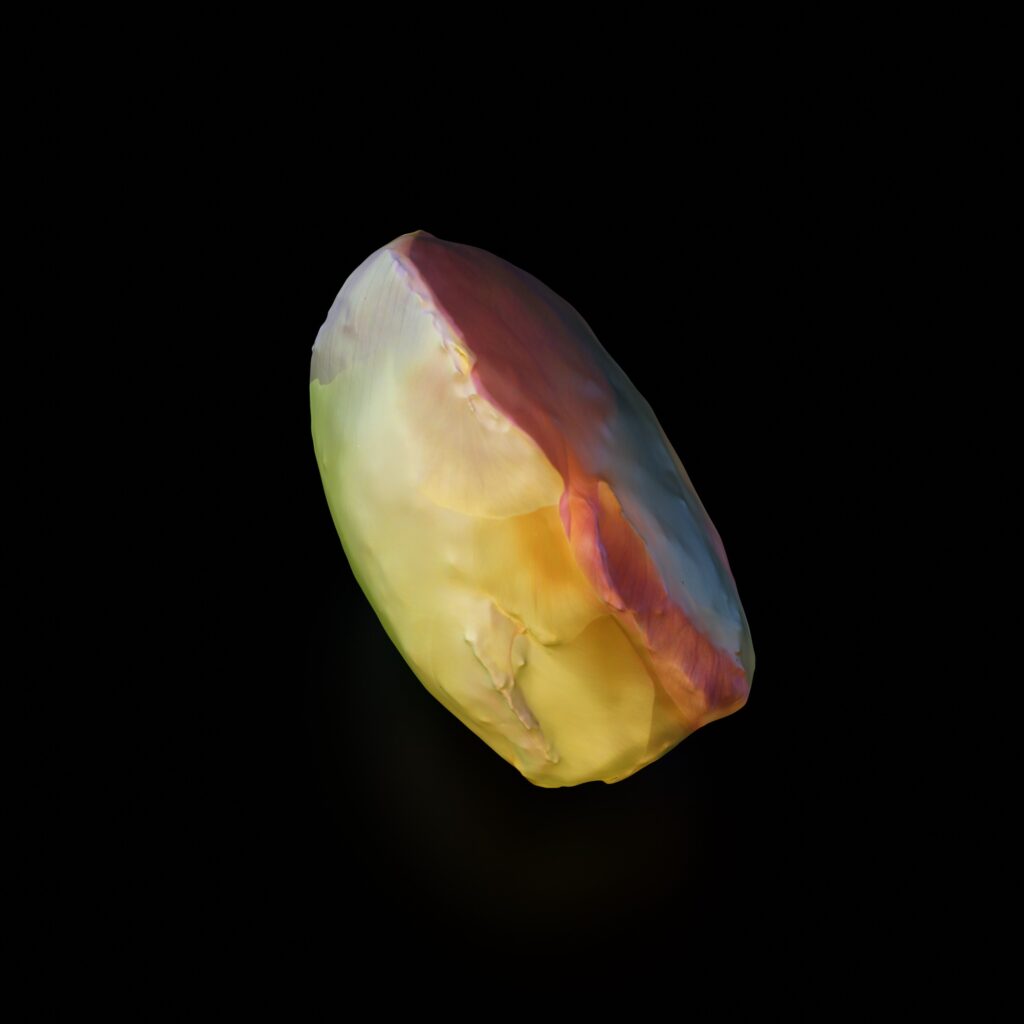
Michaela Putz, Postfactual Seeds, 2026 Courtesy of the artist © Michaela Putz
Global – Neutral: Architektur aus Österreich in Afrika und Asien 1955–1989
16/04/2026 - 05/10/2026
Architekturzentrum Wien
Museumsplatz 1, 1070 Wien, Österreich
The exhibition Global – Neutral examines the era of global political upheaval between 1955 and 1989, when many countries achieved independence from colonial occupiers and international cooperation was shaped by Cold War tensions. It pieces together clues about the Austrian architects who had commissions in African and Asian countries.
In the second half of the twentieth century, architecture increasingly became part of the global context. Political upheavals and new alliances changed the world—many newly founded states in Asia and Africa became important venues for international architecture and urban development projects. Architecture and urban planning also reflected political attitudes in a newly emerging world order. Austrian architects operated from a unique position in this context: due to their country’s political neutrality, they did not act as representatives of an ideological bloc, but as seemingly independent partners without a colonial past. Yet their projects—in countries such as Burkina Faso, India, Iran, Iraq, Kuwait, Nepal, and Tanzania—were also interwoven with political, economic, and cultural interests: they were part of development programs, served as symbols of diplomatic rapprochement, and were venues for transnational cooperation.
Plans, photographs and models from the Az W’s extensive collection shed light on these multi-faceted connections. We’re presenting projects—some were built, while others remained on paper—by about 25 Austrian architects, including, for example, Carl Auböck, Djamshid Farassat, Eugen Gross, Eva Mang-Frimmel & Karl Mang, Norbert Heltschl, Hans Hollein, Helene Koller-Buchwieser, Shahrzad Seradj-Kraupp, Hannes Lintl, Carl Pruscha, Roland Rainer, and Anton Schweighofer. By placing the projects within the broader context of the political, cultural, and globalized force fields in play, the exhibition Global – Neutral opens up new perspectives on Austrian architecture.
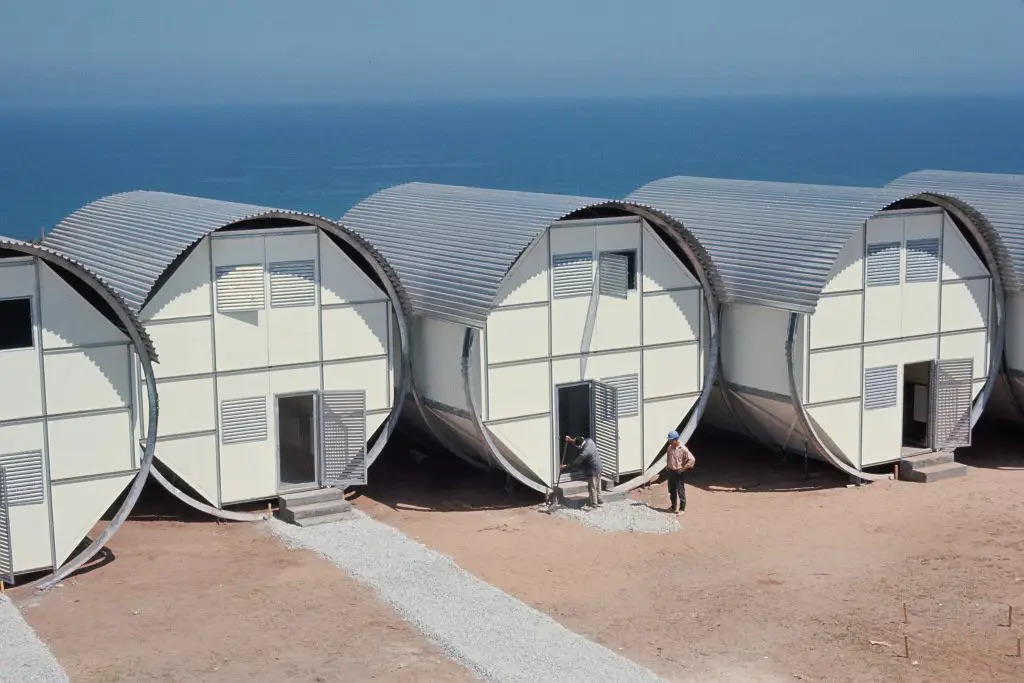
Walter Hildebrand, Eckhard Schulze-Fielitz, Gunter Wratzfeld: „Habitainer“ Unterkünfte für Ingenieure der Firma Hochtief, Skikda, Algerien 1970 © Architekturzentrum Wien, Sammlung, Foto: Gunter Wratzfeld
My Story: Antike Frauenporträts und ihr Nachleben
17/04/2026 - 20/09/2027
Kunsthistorisches Museum
Maria-Theresien-Platz, 1010 Wien, Österreich
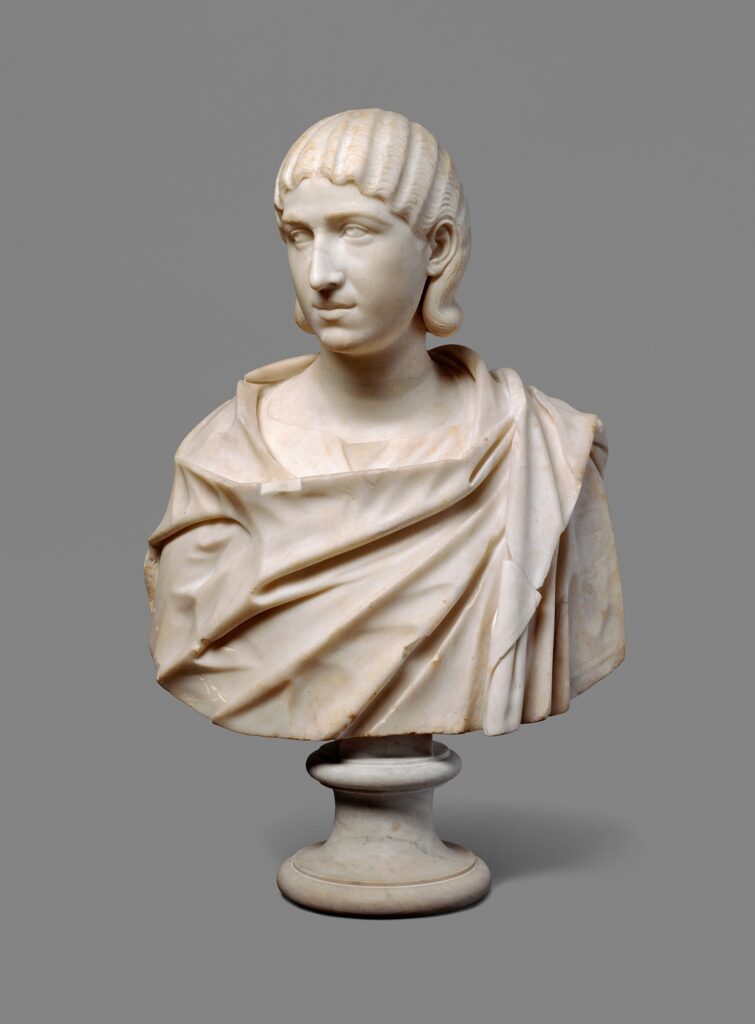
My Story opens with two previously unseen portraits of women, offering direct and surprising insights into current research on Roman portraits.
The Collection of Greek and Roman Antiquities at the Kunsthistorisches Museum houses around 250 Roman marble portraits. Their particular impact lies, to this day,
in the immediacy with which they bring people from a distant past to life.
In this special exhibition, the ancient sculptures themselves take the floor, telling us about their appearance and the central role played by an often underestimated detail: their hairstyle.
This allows us to explore key questions in portrait research – from dating to identity.
Julia Mamaea Spätseverisch, 222–235 n. Chr.; Kunsthistorisches Museum, Wien, Antikensammlung © KHM-Museumsverband
PREMIERE! Die Sammlung der Oesterreichischen Nationalbank
24/04/2026 - 11/10/2026
Museumsplatz 1, 1070 Wien, Österreich
The Oesterreichische Nationalbank (OeNB), the Central Bank of the Republic of Austria, made a significant financial contribution to the Leopold Museum-Privatstiftung in 1994, thus laying the groundwork for the foundation and success story of the Leopold Museum. The exhibition “Premiere!” honors the long-standing ties between the two institutions, showcasing the impressive diversity of the OeNB’s art collection for the first time in a comprehensive presentation.
Since the late 1980s, the OeNB has been collecting Austrian painting and sculpture from 1918 to the present, with special emphases on the art of the interwar period – especially New Objectivity and post-Expressionism – as well as on works in the area of geometrical and gestural abstraction after 1945.
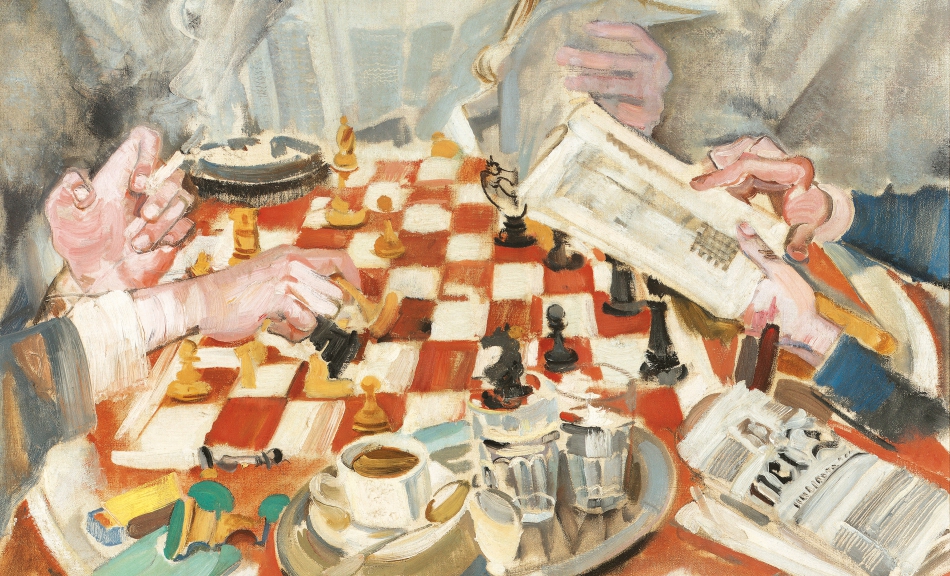
The presentation offers a cross-section of the main tendencies in Austrian art: It features works by famous exponents of New Objectivity, including Rudolf Wacker and Franz Sedlacek, as well as independent positions from art of the interwar period, as pursued by Greta Freist and Max Oppenheimer. In terms of contemporary art after 1945, the exhibition reveals interesting parallels between different generations of artists, for instance between Maria Lassnig and Tobias Pils, as well as Svenja Deininger and Ernst Caramelle. It further highlights the various approaches to abstraction in painting, encountered in the works of artists from Martha Jungwirth to Herbert Brandl. Sculptural works, for instance by Josef Pillhofer, Julia Haugeneder or Constantin Luser, make up another important part of the collection.
MAX OPPENHEIMER, Die Schachpartie, 1925/30 © Oesterreichische Nationalbank | Foto: Sammlung Oesterreichische Nationalbank
VALLY WIESELTHIER: Bild und Ton
29/04/2026 - 10/01/2027
MAK - Museum für angewandte Kunst
Stubenring 5, 1010 Wien, Österreich
“Tell these people who I am!”
—surely nothing captures the high artistic aspirations of the famous designer Vally Wieselthier (1895−1945) as concisely as her own words. Radically expressive, confident, and far ahead of her time, she broke the mold of functional pottery.
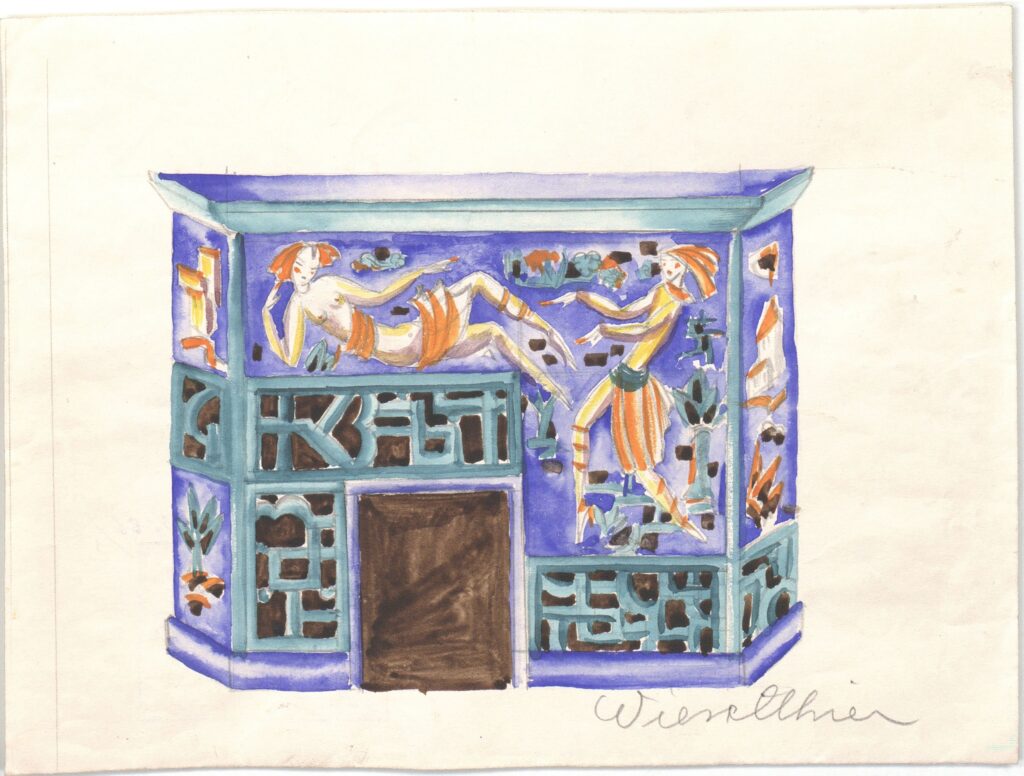
She considered herself a sculptor and created masonry heaters, fountains, wall friezes, as well as impressive sculptures, but she was also a successful textile artist and graphic designer.
With its first comprehensive retrospective on the artist entitled VALLY WIESELTHIER: Ceramic Sculptor, the MAK is turning the spotlight on her career in Europe and the United States and demonstrating her lasting and ongoing impact on Austrian ceramic art on the basis of 160 select objects.
The exhibition was inspired by the partial bequest of her estate by her family in the US.
Vally Wieselthier, Entwurf für eine Kaminverkleidung, um 1927 Bleistift, Gouache auf Papier © MAK
Lebt und arbeitet in Wien: Contemporary Art from Vienna
01/05/2026 - 26/10/2026
Museumsplatz 1, Wien, Österreich
Over a period of six months, Kunsthalle Wien will present across all of its exhibition spaces the largest survey of Vienna’s contemporary art scene that the institution has organized in more than a decade. Sculptures, installations, drawings, paintings, photographs, performances, and videos by more than fifty artists will be brought together in an exhibition that places a particular focus on newly commissioned works and pieces that have not previously been shown in Vienna.
The title of the exhibition derives from a survey first presented at Kunsthalle Wien in 2000 and revisits a format that offers insight into the dynamic, transnational, and culturally diverse artistic communities living and working in Vienna today. The exhibition will be accompanied by a year-long public program.
Complementing the exhibition, a new publication will be released featuring newly commissioned texts on all participating artists as well as transcripts of conversations between curators, artists, and critics living and working in Vienna, published in both German and English.
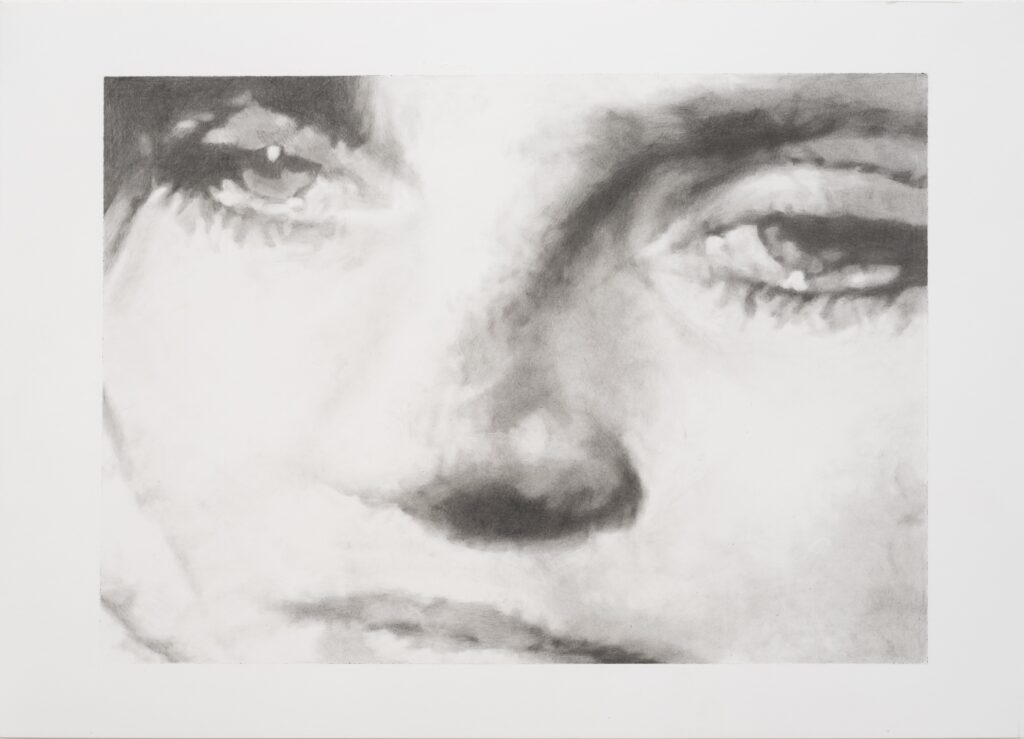
Judith Eisler, Hanna, 2019
A Chicken Can’t Lay a Duck Egg: Claudia Märzendorfer
13/05/2026 - 30/10/2026
KÖR Kunst im öffentlichen Raum Wien
Graben 21, 1010 Wien, Österreich
There is always an element of transience to the art projects organised by
KÖR Wien (Public Art Vienna) on Vienna’s Graben,
as they occupy the public space only until the onset of winter each year.
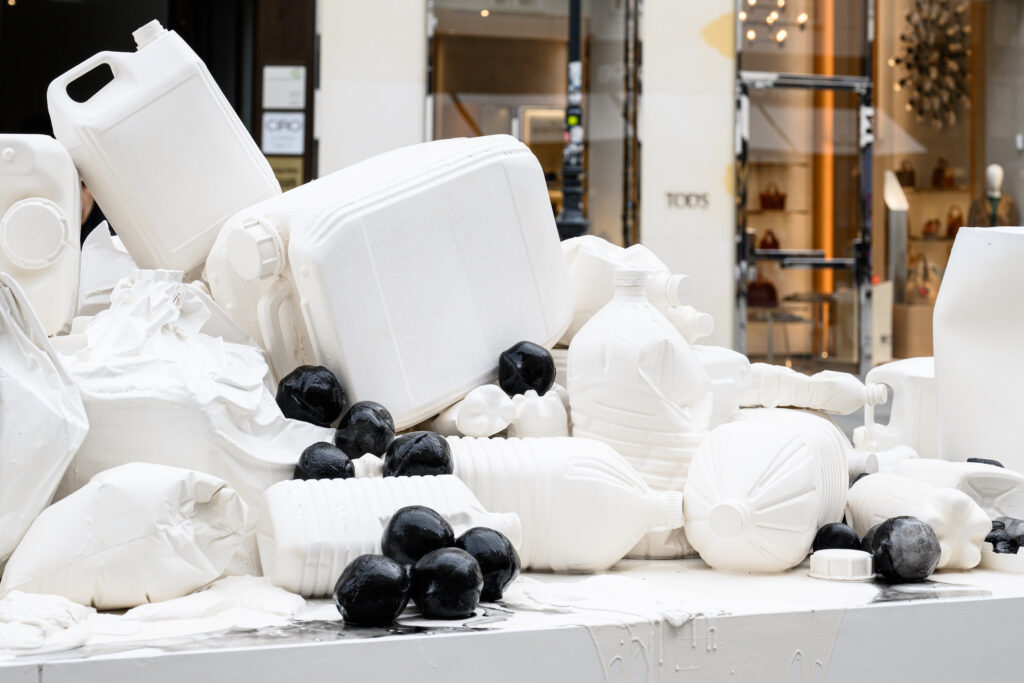
This year, however, the ephemeral has merged in a very immediate way with the work A Chicken Can’t Lay a Duck Egg by the Austrian artist Claudia Märzendorfer: drawing on motifs of transience from classical still lifes, part of her monumental yet fragile sculpture will dissolve before the eyes of the opening guests.
Commissioned by KÖR Wien,
this work juxtaposes the motif of the Baroque vanitas still life – with its cautionary references to excess and waste – with those remnants of civilisation that burden our ecosystem and outlive a single human lifetime.
With her choice of title,
Claudia Märzendorfer has transformed the quiet work into a powerful statement:
A Chicken Can’t Lay a Duck Egg refers to the title of a book
(Graeme Maxton and Bernice Maxton-Lee, 2020), that outlines the far-reaching changes needed to tackle the climate crisis.
Claudia Märzendorfer: A Chicken Can't Lay a Duck Egg (Kunstplatz Graben, 12.05.2026)
SPRING: Landscape
29/05/2026 - 15/10/2026
Schauraum Angewandte / MQ Schauräume
Museumsplatz 1/hof 1, 1070 Wien, Österreich
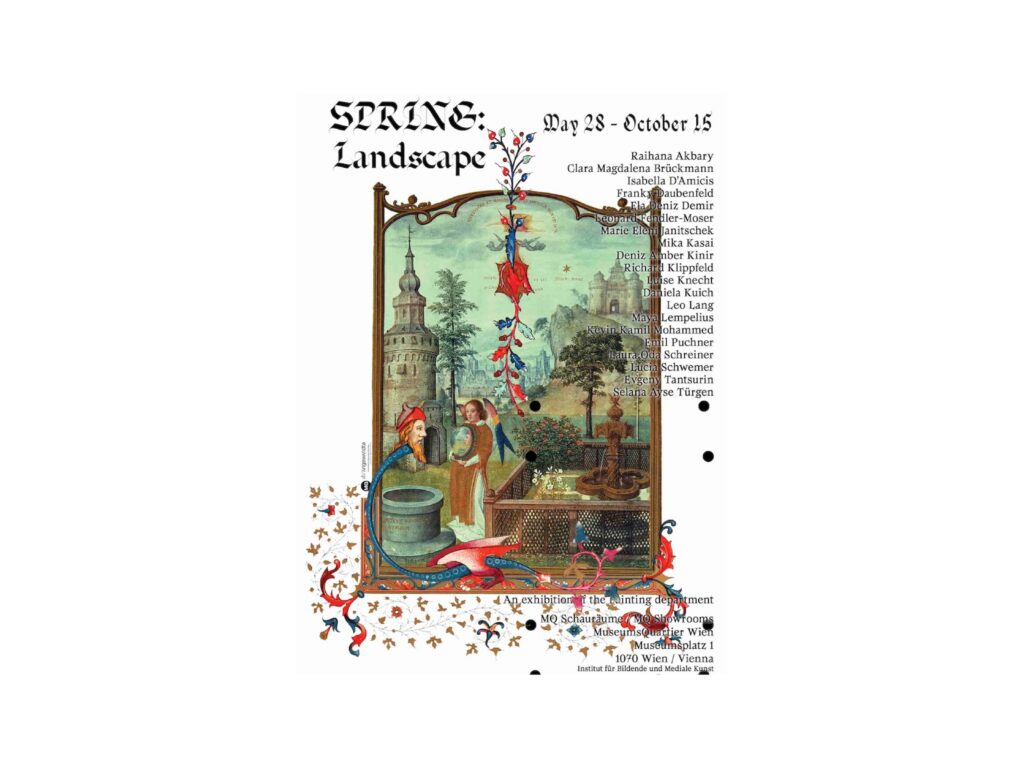
The Schauraum Angewandte is currently presenting “SPRING: Landscape”, the second exhibition in a four-part cycle by the Painting Department of the University of Applied Arts Vienna. The exhibition brings together works by students who approach questions of painting, its history, and its possible future developments from a variety of perspectives.
Following “WINTER: Still Life”, which explored the genre of still life painting, “SPRING: Landscape” now turns to landscape painting and is hallucinated and illuminated under the direction of Henning Bohl and Florian Pfaffenberger.
An exhibition by the Painting department, hallucinated and illuminated by Henning Bohl and Florian Pfaffenberger.
With
Raihana Akbary, Clara Magdalena Brückmann, Isabella D’Amicis, Franky Daubenfeld, Ela Deniz Demir, Leonard Fendler-Moser, Marie Eleni Janitschek, Mika Kasai, Deniz Amber Kinir, Richard Klippfeld, Luise Knecht, Daniela Kuich, Leo Lang, Maya Lempelius, Kevin Kamil Mohammed, Emil Puchner, Laura Oda Schreiner, Lucia Schwemer, Evgeny Tantsurin, and Selena Ayse Türgen
WINTER: Still Life, exhibition poster, Painting Department, Die Angewandte, 2026 © Florian Pfaffenberger
Njola Impressions: Kiteezi
29/05/2026 - 11/10/2026
Theseustempel, Volksgarten
Theseustempel, Volksgarten, 1010 Wien, Österreich
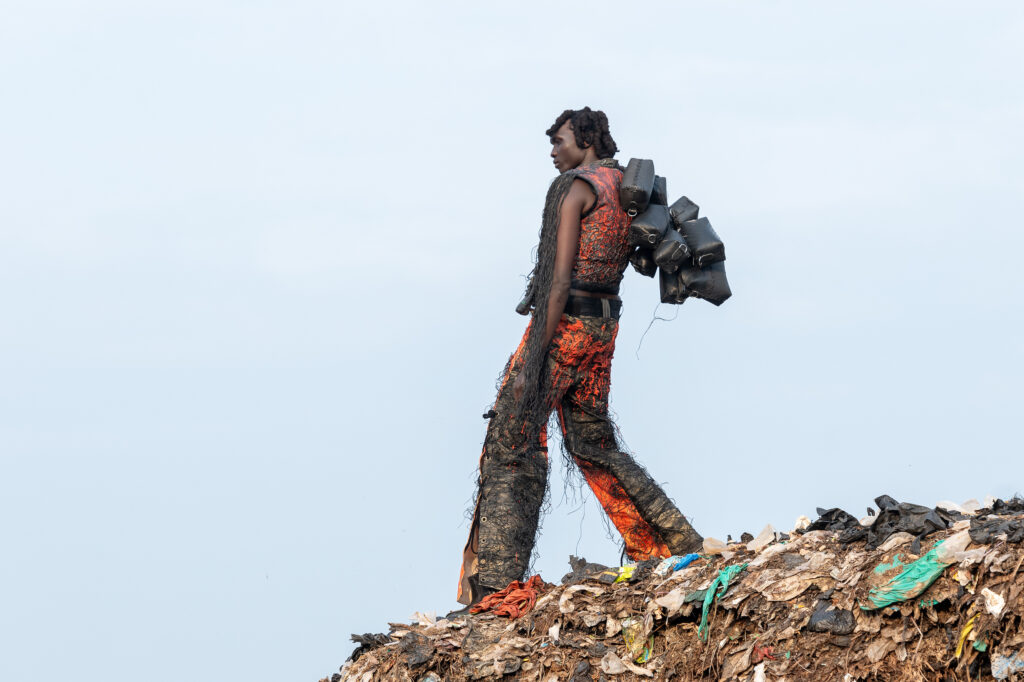
The Theseus Temple will once again host an exhibition by the Weltmuseum Wien in 2026 as part of the WMW Contemporary series. Kiteezi marks the first time an installation by Ugandan artist Nabukenya Allen (artist name: Njola), founder of the Njola Impressions studio, will be on view in Austria.
Drawing on the aftermath of an environmental tragedy, Nabukenya Allen transforms loss into renewal: Her installation *Kiteezi*, adapted for the Theseus Temple and named after the main waste disposal site in Kampala, the capital of Uganda, addresses the social and ecological consequences of urban waste and focuses on the people who live and work in the vicinity of the landfill.
The work links a real-life catastrophe to issues that also affect Europe: waste, consumption, and global responsibility.
Njola Impressions Kiteezi Collection © Giulio Molfese
For years now, he has been one of the most well-known comedy legends in the German-speaking world: Otto Waalkes. Generations have laughed about his wordplay and parodies. His films, television appearances, songs, and verses have become an integral part of pop culture.
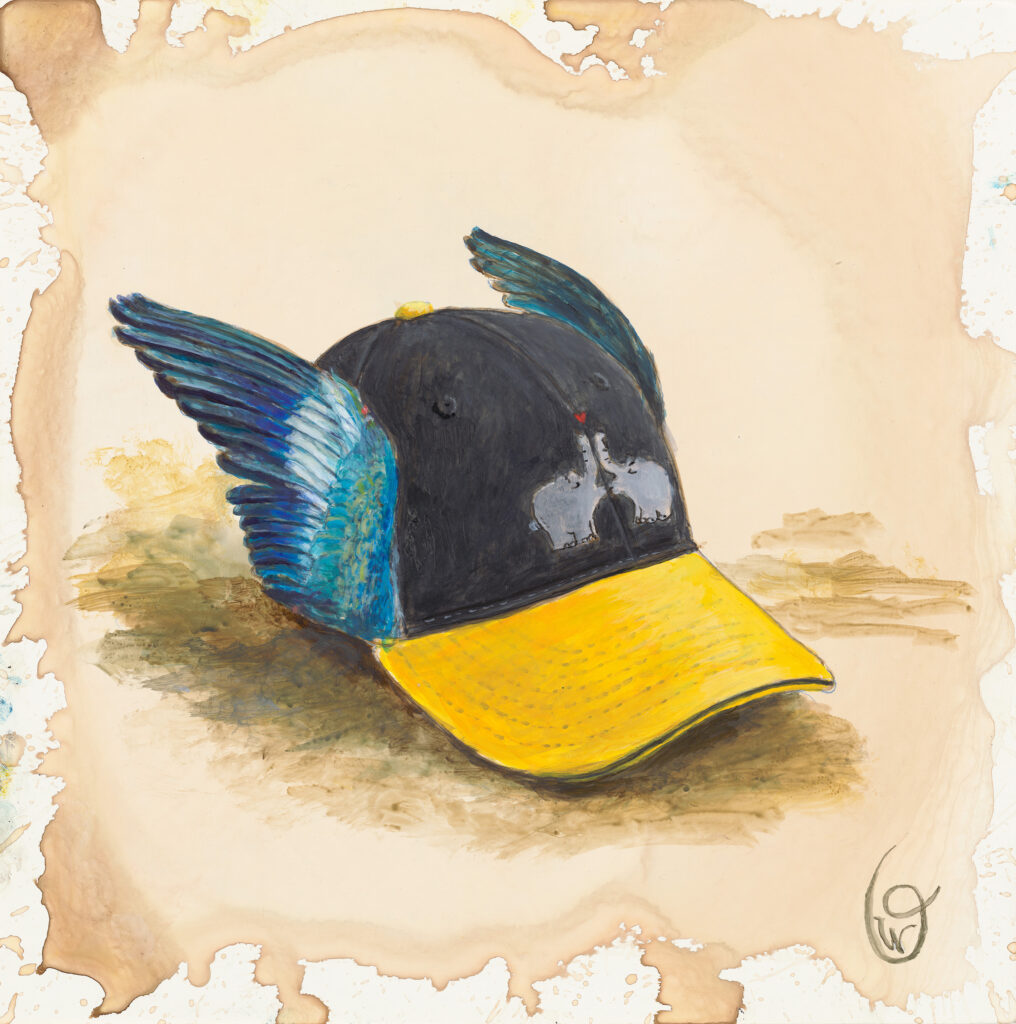
Despite his stardom, his artistic ambitions are lesser known. As a painter, he has made his iconic character, the Ottifant, roam through the history of art. During his time in an artists’ housing co-op with Udo Lindenberg, Marius Müller-Westernhagen, and others, OTTO studied at the University of Fine Arts in Hamburg.
The ALBERTINA Museum and its collection have always fascinated him.
To mark the 250th anniversary of its founding, the ALBERTINA Museum invited OTTO to reinterpret and comment on selected masterpieces from its Graphic Art Collection.
Through an intervention in the Habsburg State Rooms, Otto Waalkes encounters renowned masterpieces from the ALBERTINA, entering into a dialogue of the extra-Frisian kind.
Parodic appropriation as the sincerest form of homage.
Otto Waalkes Der ostfriesische Götterbote, 2025, Acryl auf Hartfaserplatte, Teegrund © 2026 Otto Waalkes
Terminal Piece
20/06/2026 - 07/02/2027
mumok – Museum moderner Kunst Stiftung Ludwig Wien
Museumsplatz 1, 1070 Wien, Österreich
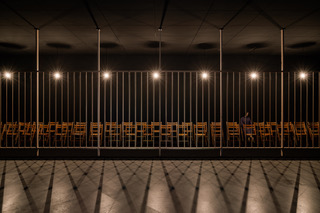
With the statement, “I had to make this work because it could not be written,” the artist, activist, and writer Kate Millett summarized the driving force behind her installation Terminal Piece. This sentiment serves as the point of departure for the eponymous exhibition and sets the stage for the vision of the upcoming program at mumok.
Like a play, Terminal Piece is divided into several acts, each addressing different forms of perception. Works from the mumok collection are placed in dialogue with newly conceived pieces. Each act is developed around a specific mode of seeing. Across the exhibition, this approach takes shape as an exploration of embodied attention and the encounter between artwork and viewer as an active form of participation.
The 700-square-meter entrance area, staged by by the German scenographer and costume designer Anna Viebrock, presents works from the mumok collection in an extraordinary setting and will be open to all visitors free of charge until September 30.
Ausstellungsansicht Terminal Piece, 20. Juni 2026 bis 7. Februar 2027
Tolia Astakhishvili: ‚Figure of the Child‘
20/06/2026 - 01/11/2026
mumok – Museum moderner Kunst Stiftung Ludwig Wien
Museumsplatz 1, 1070 Wien, Österreich
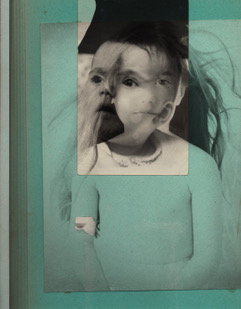
Tolia Astakhishvili’s Figure of the Child is the artist’s first solo museum exhibition to date.
Realized across architectural interventions, installation, paintings, drawings, and moving images, it comprises a large body of newly conceived work alongside collaborations and works from mumok’s collection.
Here, the artist’s fascination with the “figure of the child” encompasses the remarkable intellectual and creative autonomy children embody, but also their fundamental dependency and vulnerability.
Tolia Astakhishvili I would like to return and say I am back and it's nice on the other side, 2026 Collage mit Fotografien von Maka Sanadze, Digitaldruck auf Holz

Vasarely – Adrian: Bewegte Bilder
26/06/2026 - 08/11/2026
Alberetina Modern
Karlsplatz 5, 1010 Wien, Österreich
Hypnotic motifs, pulsating shapes, and flickering patterns: this exhibition will juxtapose works by two “grand masters” of optical illusion, placing them in a multifaceted dialogue.
Victor Vasarely (1906–1997) sought to put our sense of vision to the test in many of his works, above all from the 1950s onward. His complex oeuvre is more current than ever today, with the powerful colors of his strict geometric patterns and the strong contrasts of his black-and-white paintings having persisted as elements of aesthetic creativity. The portrayal of motion in art was likewise a central topic of investigation for the Austrian artist Marc Adrian (1930–2008), whom Peter Weibel dubbed the “father of media art”.
ALBERTINA, Wien – The ESSL Collection © Bildrecht, Wien 2025
Vision und Widerstand – Wie das MuseumsQuartier die Stadt Wien veränderte
30/06/2026 - 25/01/2027
MQ Freiraum
Museumsplatz 1, 1070 Wien, Österreich
Twenty-five years after its opening,
the MuseumsQuartier looks back on the tumultuous history of one of the world’s largest cultural complexes.
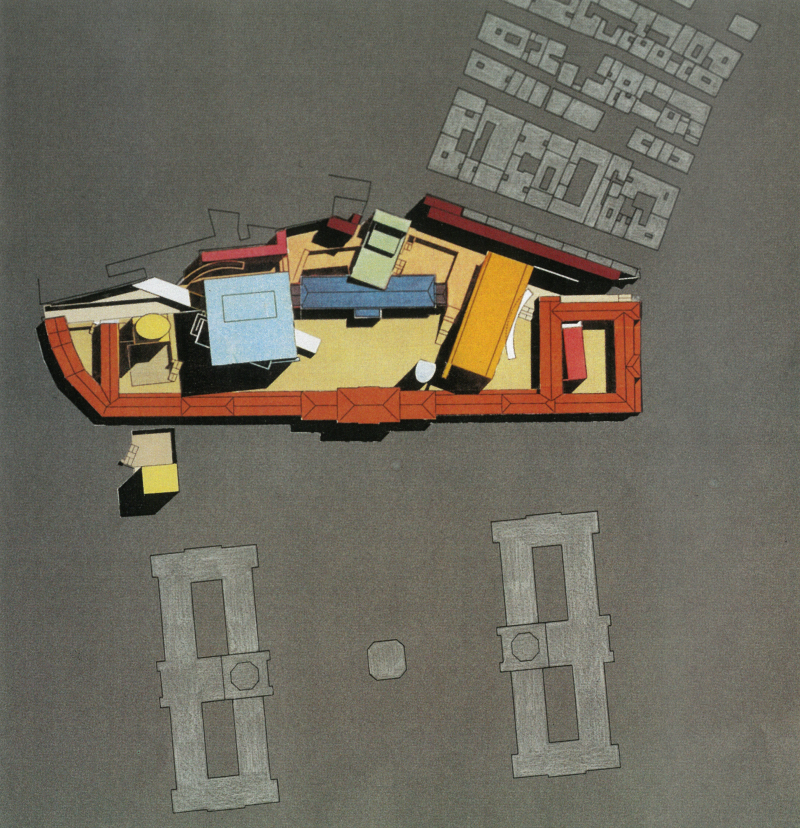
Through drawings, plans, models, and artistic works, the exhibition traces a broad arc from the Baroque Hofmarstall (Imperial Stables) and the Messepalast (Trade Fair Palace) to the planning and construction of the MQ.
The fundamental idea remains:
to conceive of the MQ not as a static monument,
but as a living place that changes and responds to new challenges.
At the same time, the exhibition opens up perspectives for the future of this indispensable urban space.
Curated by Andreas Nierhaus
Draufsicht Scan aus Entwurfsmappe © Ortner & Ortner
Stellprobe: Sammlungszugänge der letzten Dekade in einem Display von Heimo Zobernig
10/07/2026 - 04/10/2026
Belvedere 21
Arsenalstraße 1, 1030 Wien, Österreich
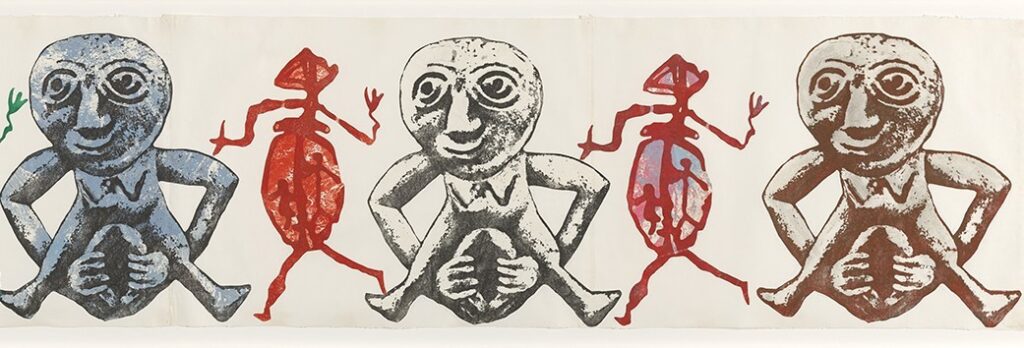
In the summer of 2026, Belvedere 21 will present a large-scale exhibition throughout its ground and upper-floor galleries, showcasing works acquired for the Belvedere collection over the past ten years. In keeping with the profile of the collection, artworks from all periods will be brought together in a spatial installation by Heimo Zobernig—a kind of Stellprobe, a staging rehearsal of sorts.
Collecting lies at the heart of the museum’s mission. The expansion of its holdings—from medieval to contemporary art—follows the collection’s profile while addressing gaps in art history. A key focus has been, and remains, the strengthening of women artists and other historically underrepresented positions within the collection.
This exhibition reflects these priorities and features historical and contemporary works in a display conceived specifically for the occasion by artist Heimo Zobernig.
Nancy Spero, Sheela and Wilma, 1985 (Detail) Belvedere, Wien, Ankauf von der Galerie Lelong, New York Foto: Johannes Stoll / Belvedere, Wien © Bildrecht, Wien 2026
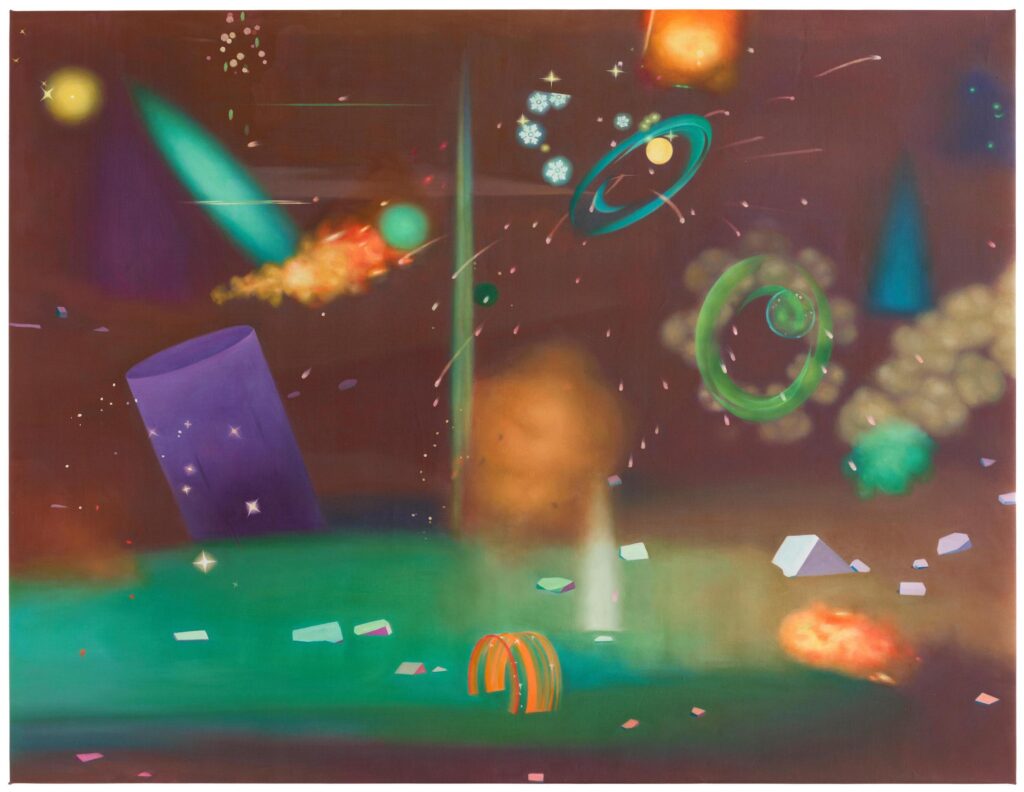
Miao Ying: Come, Sit, Stay
10/07/2026 - 04/10/2026
Belvedere 21
Arsenalstraße 1, 1030 Wien, Österreich
Digital surveillance, AI, and visual manipulation—Miao Ying reveals the darker sides of our connected world. Her solo exhibition at the Belvedere 21 offers a nuanced exploration of the aesthetics of digital control. Through installations, painting, and video, the artist examines global media cultures, mechanisms of censorship, and the power of generative technologies.
In her latest works, Ying creates AI-generated digital images using generative neural networks programmed with predefined parameters. She then translates these digital compositions into analog, painterly formats. This fusion of new technologies and traditional image-making calls into question our perceptions of reality and control.
© Miao Ying, photo: Markus Wörgötter © Bildrecht Vienna, Courtesy Miao Ying and Galerie nächst St. Stephan Rosemarie Schwarzwälder Vienna
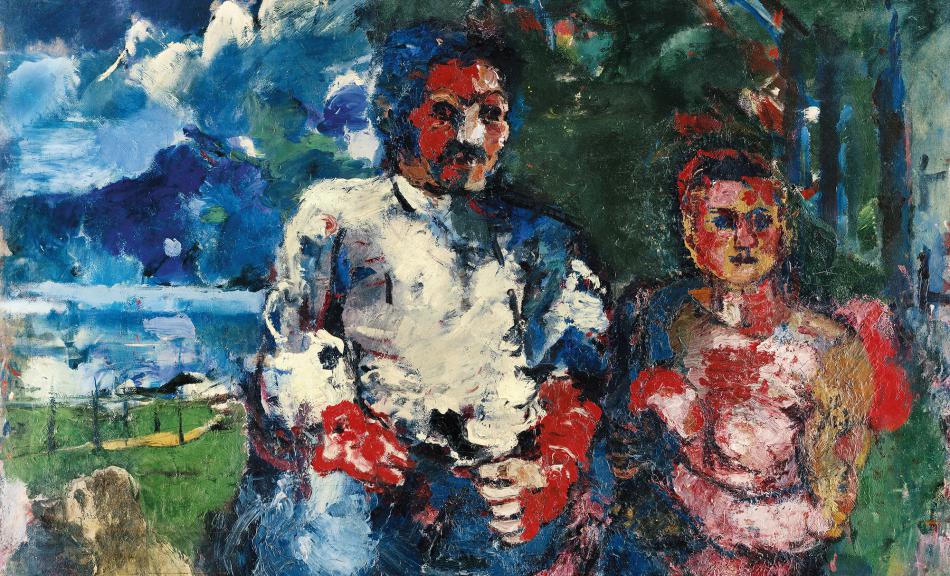
HERBERT BOECKL – HANS JOSEPHSOHN: Archetypen des Figuralen
24/07/2026 - 10/01/2027
Museumsplatz 1, 1070 Wien, Österreich
Since the Italian Renaissance, the increasingly prominent question of a hierarchy of the arts, one that fueled, among other things, the rivalry between painting and sculpture, came to an end with the advent of modernism. In this exhibition, where the work of a sculptor encounters that of a painter, the intention is not to revive the paragone debate in art-theoretical terms, but rather to stage a dialogue between two artistic personalities who, despite their differences in historical, spatial, and cultural contexts, reveal striking analogies both in formal aesthetics and in the phenomenology of their work. This juxtaposition of Herbert Boeckl (1894–1966) and Hans Josephsohn (1920–2012), who never met during their lifetimes, nevertheless highlights fundamental parallels in their understanding of corporeality, materiality, and the process of form-finding.
Neither Boeckl nor Josephsohn, and this despite the growing prominence of abstract art since the 1950s, pursued a path into abstraction. They remained committed to figuration and, in particular, to the human figure as a bearer of artistic expression. Although both engaged in a pronounced process of abstraction in their depictions of the human body, often dispensing with anatomical detail, they sought to distill the essential through radical simplification and intense concentration. As a result, many of their figures appear de-individualized and stylized, presenting a universal form of the human. Despite, and perhaps because of, this reduction, which transforms the “portrayed” into pure form, their figures possess a powerful expressive force. This specific auratic presence is evoked through expressive simplicity, formal reduction, and not least an impressive material immediacy. Their shared interest in the physicality of materials provides yet another point of correspondence: while Boeckl applies paint thickly, almost sculpturally or in relief-like layers, Josephsohn works in a comparably additive manner in his plaster modeling and the castings derived from it.
HERBERT BOECKL, Gruppe am Waldrand, 1920 © Leopold Museum, Wien | Foto: Leopold Museum, Wien © Herbert Boeckl-Nachlass, Wien
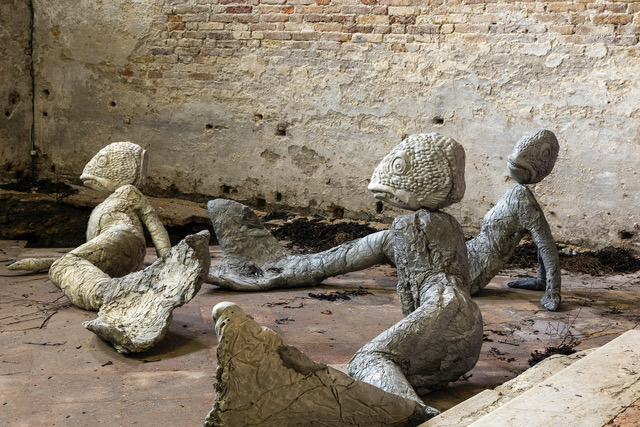
persona. fragments of identity
05/09/2026 - 16/10/2026
THE HALL. PART International Art Residency Austria
Meiereistraße 3, 1020 Wien, Österreich
THE HALL. PART International Art Residency Austria presents the exhibition persona. fragments of identity from 5 September to 16 October 2026, featuring works by Odie Lap Chun Chow, Edith Karlson, Jakob Lena Knebl, Yein Lee and Paulina Semkowicz, curated by Barbara Horvath.
What defines a persona? A face, a body, a role, or the space in which it appears? The exhibition explores identity as something fluid, constructed and staged, as something that is constantly changing. The five artistic practices approach this question from different perspectives: in her sculptures,
EDITH KARLSON blurs the boundaries between human and animal, transforming portraits into polyphonic interpretations of identity. YEIN LEE’s enigmatic beings move between organic, technological and imaginary forms, whilst JAKOB LENA KNEBL conceives of identity as a mutable state through roles, clothing, objects and staged scenarios. In her painted interiors, PAULINA SEMKOWICZ allows spaces themselves to become vessels of identity and memory. ODIE LAP CHUN CHOW, on the other hand, focuses on forms and imprints, asking whether identity lies in the body, in its trace, or in the space that produces it.
Set amidst a silver grid stage, THE HALL becomes a space of ambiguity – part exhibition, part theatre – in which sculptures appear as actors, bodies and temporary personas.
Faces appear and fade away. Bodies become unfamiliar. Imaginary beings take shape. The spaces around them begin to shape the identities they embody. What we see and what we refer to as ‘a person’ is never stable or fully tangible, but consists of constructed fragments.
Exhibition opening: 5 September 2026, 6–9 pm
Opening hours: Fri 1 pm–6 pm, Sat 12 noon–5 pm and by appointment: welcome@partresidency.at
Artist talk: 5 September 2026, 5.00 pm
Closing event & curator-led tour: 16 September 2026, 5.00 pm
Odie Lap Chun Chow is artist-in-residence at PART from August to September. Edith Karlson will be a guest at PART from December 2026 to February 2027.
Edith Karlson, Can't See, 2023
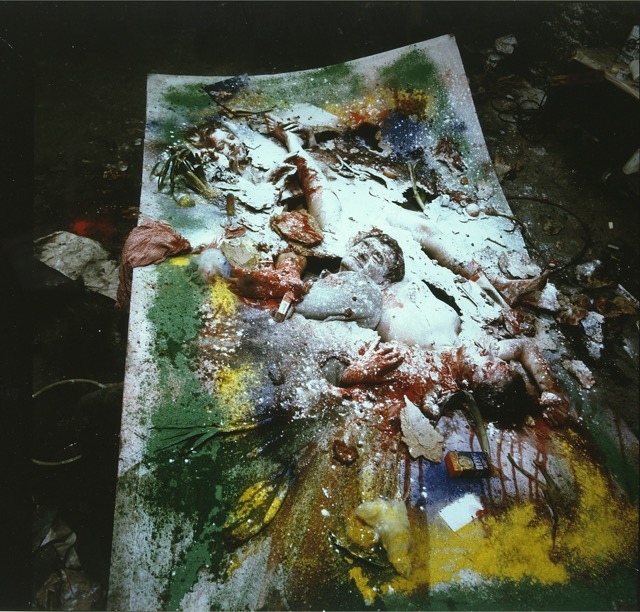
OTTO MUEHL: Kunst am Abgrund
10/09/2026 - 10/01/2027
Wiener Aktionismus Museum (WAM)
Weihburggasse 26, Innere Stadt 1010 Wien, Österreich
From September 10, 2026, the WIENER AKTIONISMUS MUSEUM embarks on a challenging project: an exhibition of Otto Muehl’s artistic work. Over 150 of his paintings, objects, films and prints will be presented and put up for discussion. The exhibition traces Muehl’s artistic development—from the early 1960s up to his arrest and conviction in 1990—through six chapters. Beginning with Actionist painting and the destruction of the panel painting, through selected actions from the heyday of Viennese Actionism, to the extensive series of portraits of politicians—from Ho Chi Minh and Konrad Adenauer, via Charles de Gaulle and Moshe Dayan, to Mao Zedong and Prince Charles—, Muehl’s creative years prior to the commune form the first and most extensive part of the exhibition.
‘After 40 years as an exhibition curator, director of the Kunstforum and general director of the Albertina, exhibiting Otto Muehl is a major challenge for me. The weighing of aesthetic and arthistorical considerations and questions regarding the consequences of a life lived on the brink is a delicate balancing act, and one that significantly influences the current assessment of this influential Actionist’s art. The primary aim of this exhibition is to empower the visitors of the WIENER AKTIONISMUS MUSEUM to form their own judgement of Otto Muehl’s art.”
– Prof. Dr. Klaus Albrecht Schröder, Director of the WIENER AKTIONISMUS MUSEUM
Otto Muehl (1925 – 2013) Material Action No. 26: Food Test, 1966 Color photograph

Picasso – Bacon: What It Feels Like to Be Human
18/09/2026 - 31/01/2027
Albertina
Albertinaplatz, 1010 Wien, Österreich
This major show undertakes an exciting juxtaposition of the 20th century’s two most important figurative painters: Pablo Picasso and Francis Bacon.
Both of these seminal artists placed human existence at the core of their pictorial worlds. The subject they shared was the human figure – pulled apart, thrown back together, and reinvented with an unprecedented savagery. In their distorted portrayals, they elucidated pain, desire, and vulnerability, holding up a merciless mirror to the modern soul. To both, themes such as crucifixions, screams, bullfights, nudes, and the Tears of Eros revealed the drama of life itself. Although Picasso for his part was never influenced by Bacon, he followed his career very closely.
Francis Bacon, Three Studies of Isabel Rawsthorne, 1967 Neue Nationalgalerie, Staatliche Museen zu Berlin © The Estate of Francis Bacon / All rights reserved / Bildrecht, Vienna und DACS, London 2026
Erika Giovanna Klien: Alles ist Bewegung
18/09/2026 - 31/01/2027
Unteres Belvedere
Rennweg 6, 1030 Wien, Österreich
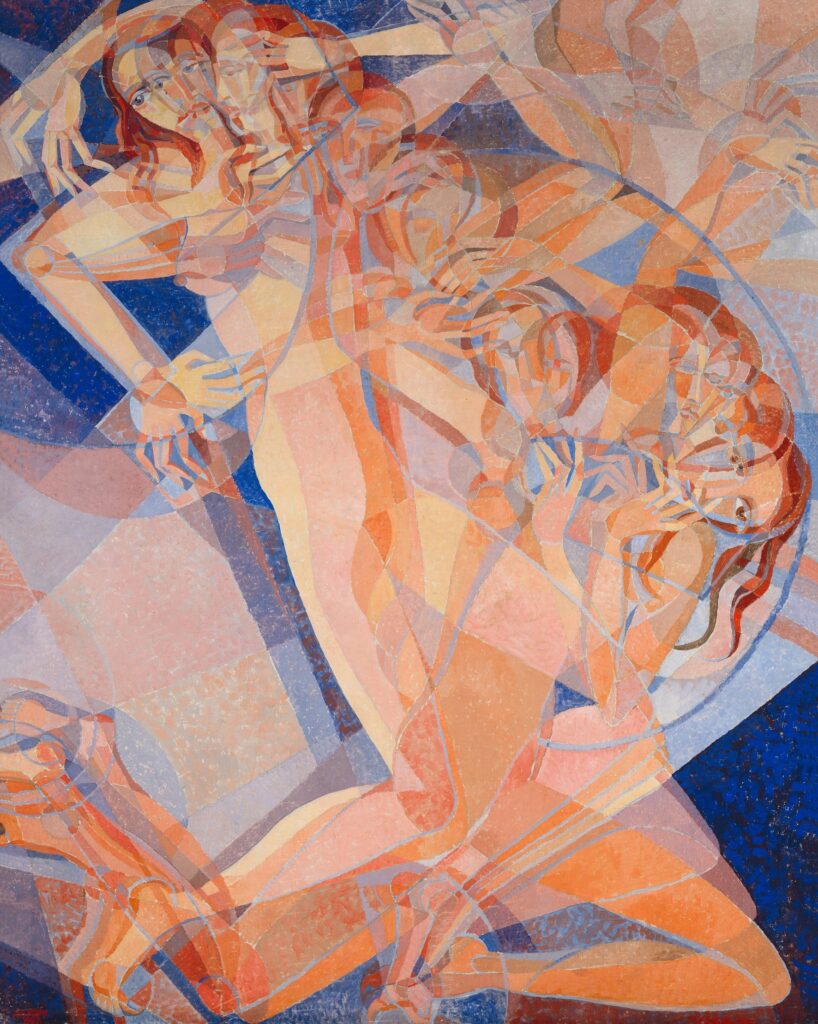
In autumn 2026 the Belvedere is paying tribute to the work of artist Erika Giovanna Klien (1900 –1957) in an extensive solo exhibition. As the foremost exponent of Viennese Kineticism, she drew and painted fascinating depictions of quivering birds in flight, dancing bodies, and rotating machines. Her compositions were based on the observation, analysis, and arrangement of complex movements, whether these were natural or technical in origin. It was especially after moving to New York in 1929 that Klien emerged as an astute observer of technical progress and modern city life with its ever-faster pace.
An exhibition organized by the Belvedere, Vienna, in collaboration with the collection and archive of the University of Applied Arts Vienna, and the dem Istituto Italiano di Studi Germanici, Rom.
Curated by Verena Gamper
Co-curator: Veronica Liotti
Assistant Curator: Johanna Hofer
Erika Giovanna Klien, Kinetische Figur, 1927 © Sammlung Leitner Wien
Elisabeth von Samsonow
19/09/2026 - 28/02/2027
Heidi Horten Collection
Hanuschgasse 3, 1010 Wien, Österreich
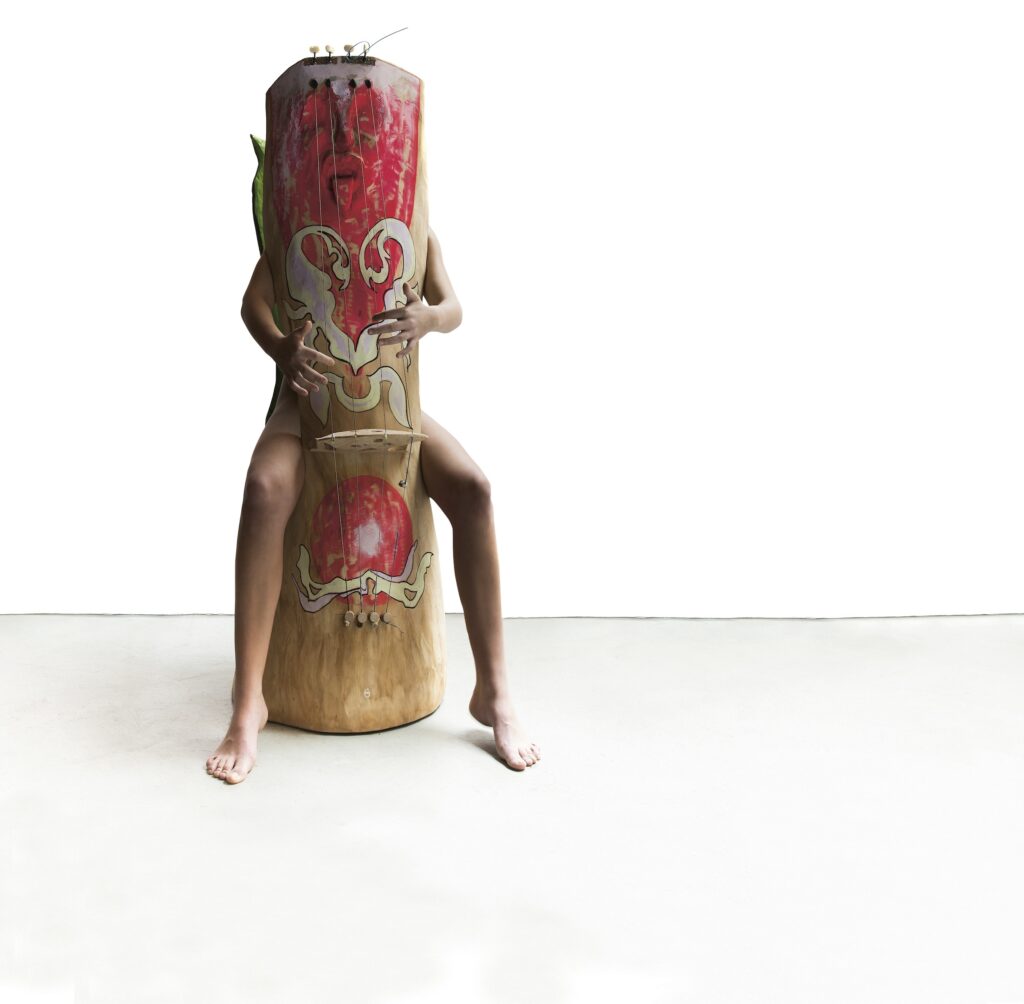
The Heidi Horten Collection presents Elisabeth von Samsonow (*1956) in a comprehensive solo exhibition — the first to showcase her work in such depth and breadth. Sculptures, paintings, drawings, films, and a site-specific installation trace a journey from her early works to her most recent creations.
Building on this comprehensive presentation, Samsonow’s practice combines performative thinking with formal diversity:
The earth as a source of energy and a space of memory,
the Gaia myth as a narrative horizon,
and wooden sculptures made of thousand-year-old linden wood
—the work moves confidently between art,
philosophy, and anthropology.
In addition to Samsonow’s works, pieces by Egon Schiele and German Expressionists from the collection enter into a complementary dialogue with her artistic position,
expanding the exhibition’s context.
Curated by: Rolf H. Johannsen and Hana O. O. Haas
Momus, 2011, Elisabeth von Samsonow, Foto: Sophie Thun

Flower fields, enchanted forests and waterfalls shrouded in mystery seem born of a wild feverish dream: enormous blossoms rear up like ancient trees toward the sky, plants mutate into something strangely familiar yet foreign, blazing sunsets shimmer in the water’s reflection, celestial bodies glow on the horizon, bathing the landscape in an otherworldly, surreal light.
The paintings of Shara Hughes (*1981 in Atlanta, Georgia) are a journey through twists and turns – the jungle of an exuberant inner world. These symbolically charged works are in part a homage to Georgia O’Keeffe, yet their expressive use of colour owes above all to Fauvist conceptions of landscape and the Expressionism of the modern era.
Shara Hughes Weighted Blankets, 2022, The George Economou Collection © Shara Hughes Photo: JSP Art Photography

JONAS HÖSCHL | Polizeipferde für Österreich
21/10/2026 - 03/12/2026
Bildraum 01
Strauchgasse 2, 1010 Wien, Österreich
The solo exhibition Polizeipferde für Österreich (Police Horses for Austria) by Jonas Höschl at Bildraum 01 presents a documentation of his performative intervention of the same name, which took place as part of the opening of the Vienna art fair Parallel Vienna 2026.
The work takes as its starting point the plans to introduce a mounted police unit in Vienna, which the Austrian Federal Ministry of the Interior prepared politically between early 2018 and late 2019. Horses were purchased, and a trial operation and training program were launched. Hungarian Prime Minister Viktor Orbán donated two black horses to the Austrian government for this purpose. The project sparked public controversy and was criticized by numerous groups—including the opposition, the police union, and animal welfare organizations. In April 2019, the mounted police were out on the streets of downtown Vienna for the first time, training under real-world conditions. After costing approximately 2.5 million euros, the project was discontinued in late 2019 in the wake of the Ibiza scandal and the subsequent new elections.
By reenacting a real, yet ultimately unsuccessful measure, featuring two performers in authentic police uniforms on horseback, the piece explores the discrepancy between political symbolism and reality. Jonas Höschl’s Polizeipferde für Österreich physically recreates a measure that has been abandoned—one that most Austrians know only from media debates— while simultaneously stripping it of any functional effectiveness. This raises questions surrounding the aesthetics and mechanisms of authoritarian politics.
Jonas Höschl | Polizeipferde für Österreich | Foto: Martin Wimmer
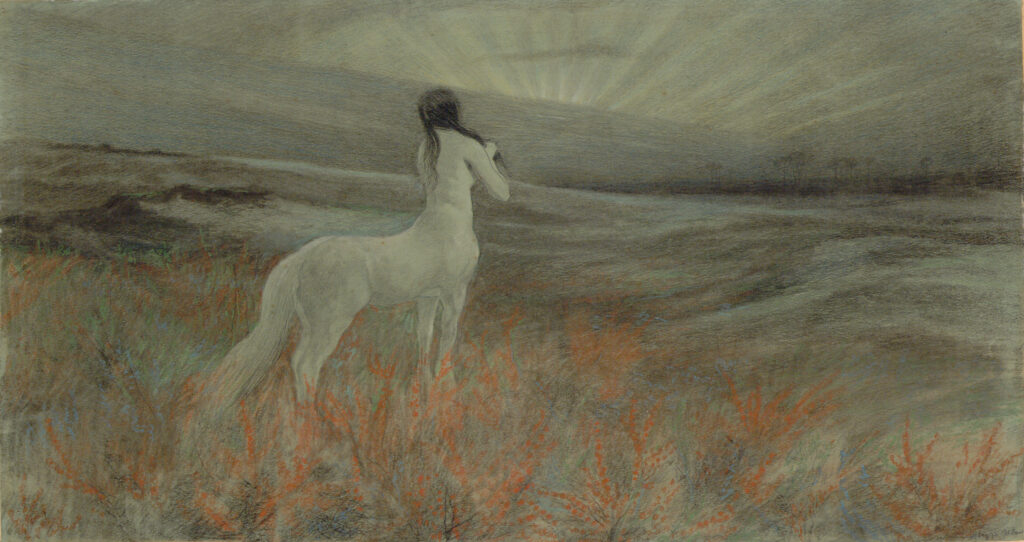
On the occasion of its 250th anniversary, the ALBERTINA presents an exhibition dedicated for the first time to women artists in its collection, thereby reframing established art historical narratives. Spanning from the 15th century to the 1970s, the exhibition highlights the significant role women played in shaping artistic developments, even though their contributions were long overlooked.
Works by women draughtswomen and printmakers—already acquired by Duke Albert and Archduchess Marie Christine—are shown alongside pieces ranging from medieval convent woodcuts to early feminist positions. The presentation demonstrates that art history has always been shaped by women.
Based on an ongoing research project initiated by General Director Ralph Gleis, the exhibition reveals a remarkable diversity and numerous outstanding works that have rarely or never been shown before.
Emilie Mediz-Pelikan Female Centaur, 1895, The ALBERTINA Museum, Vienna
Temporär. Strukturen der Notwendigkeit
04/11/2026 - 05/04/2027
Architekturzentrum Wien
Museumsplatz 1, 1070 Wien, Österreich
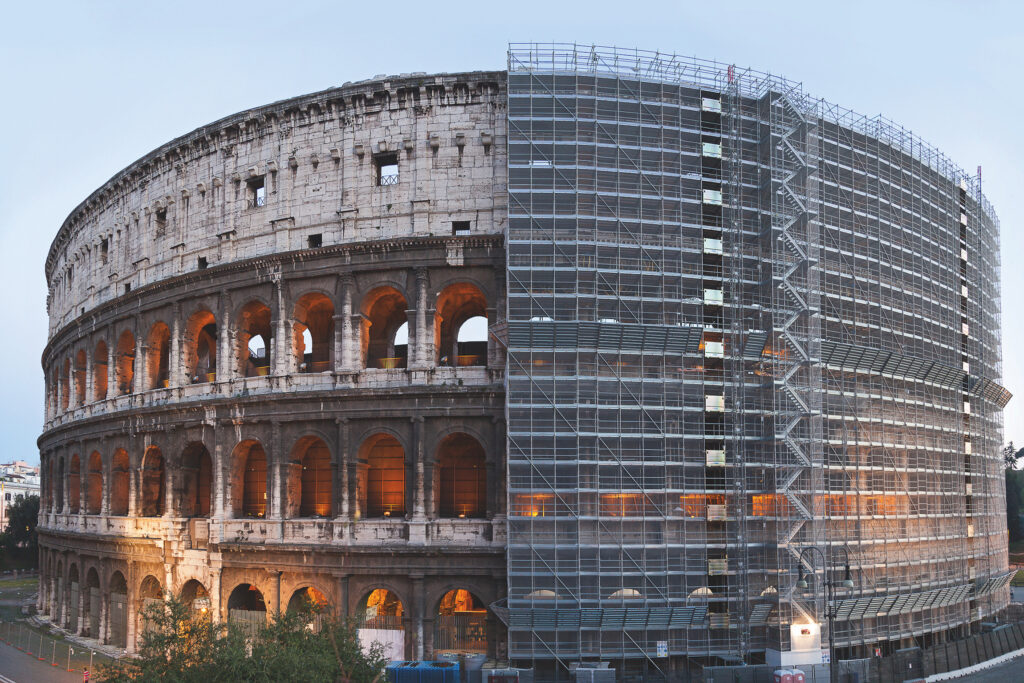
The exhibition highlights structures that form an essential yet often overlooked part of our urban infrastructure. This temporary layer keeps countless processes in the city running: from building and demolition to maintenance and guidance, all the way to protection and security. Labeled as temporary, such constructions blend into their surroundings and often remain below the threshold of perception. The exhibition makes this necessary background visible and brings it into focus.
Concept and design: KOSMOS architects
Foto: New Order: Rinofelino / Dreamstime.com
FEMINIST FUTURES FOREVER
05/11/2026 - 07/03/2027
Belvedere 21
Arsenalstraße 1, 1030 Wien, Österreich
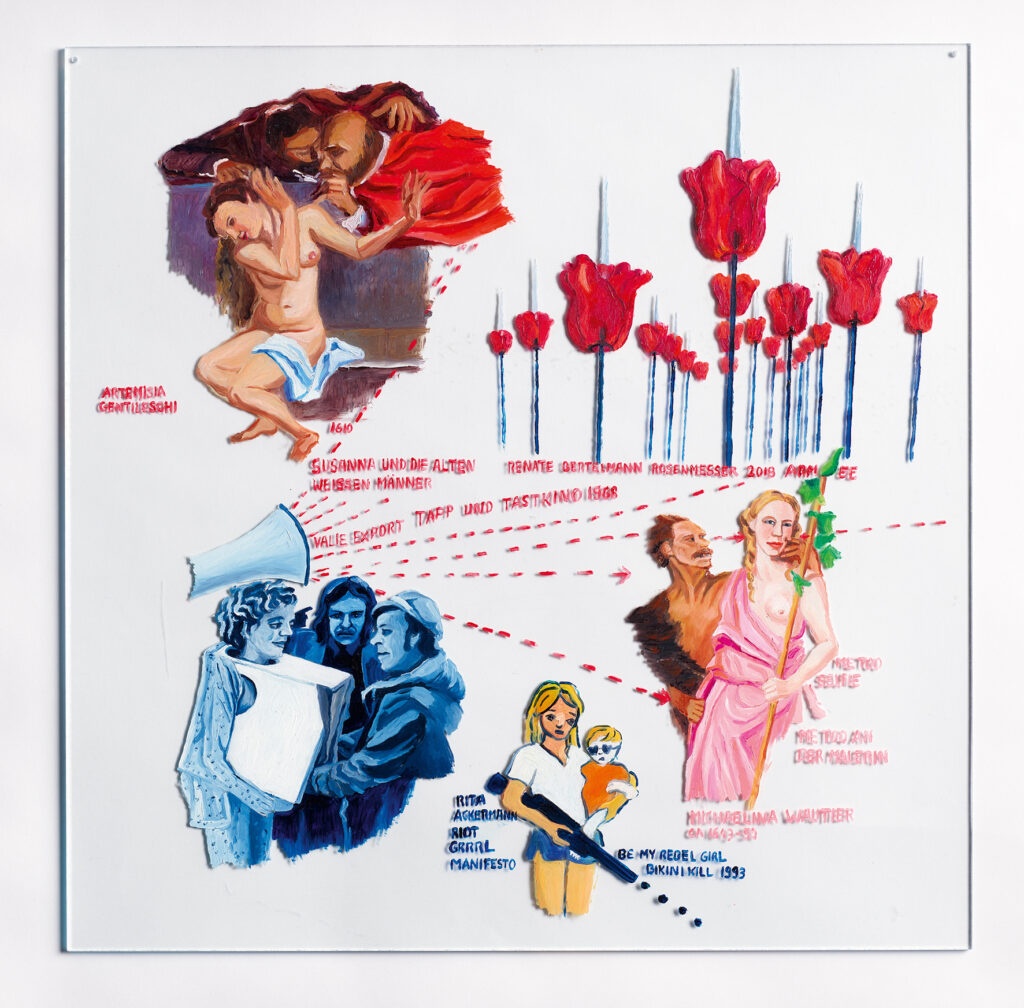
The exhibition Feminist Futures Forever at Belvedere 21 focuses on the polyphony of artistic practices. It ties together feminist demands, sociopolitical impacts, and different temporalities: each desire for change critically engages with its own past and present while looking toward the conditions of an imagined future.
Feminist Futures Forever adheres to this principle and, by looking back at the 1985 exhibition Kunst mit Eigen-Sinn (Art with a Mind of Its Own), brings international, intersectional, and intergenerational positions into dialogue with one another. The individual works of art are key: their narratives interact in spaces inspired by everyday life, enabling visitors to intuitively experience possible models for the future.
The show features works by artists ranging from the feminist avant-garde to the current generation.
Anna Meyer, Futurefeminismus (Wir lebten in hundert Jahren) – Tapp und Tast, 2019 Foto: Johannes Stoll / Belvedere, Wien © Bildrecht, Wien 2025
Eröffnung: Franz West
05/11/2026
18:30 — 21:00 h
Albertina Modern
Karlsplatz 5, 1010 Wien, Österreich
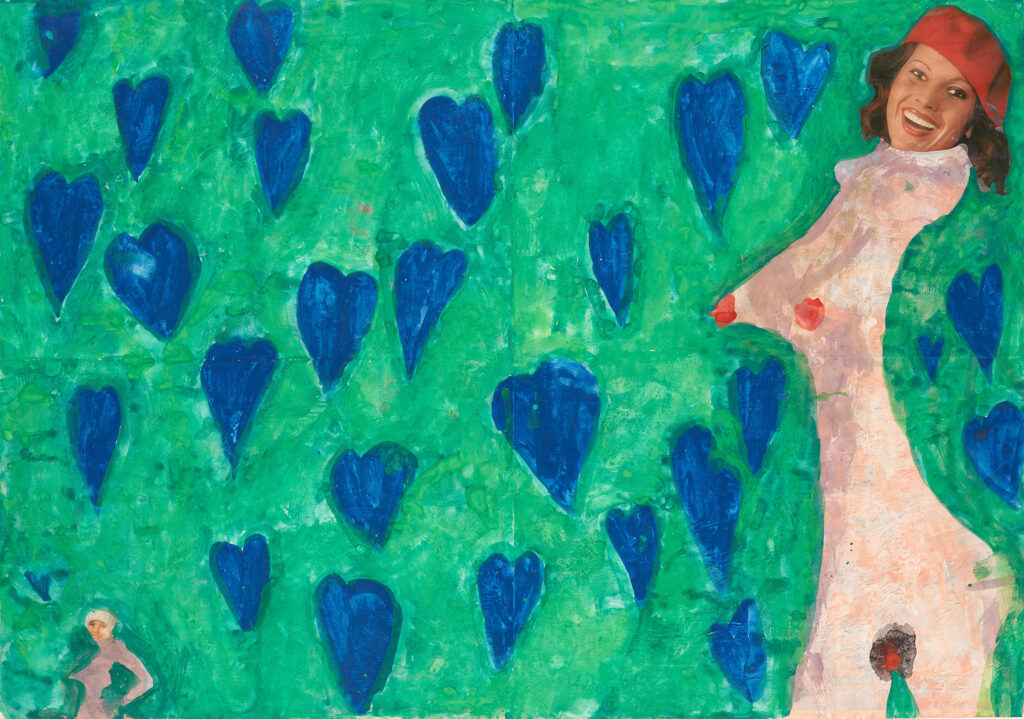
The ALBERTINA Museum is devoting a retrospective to Franz West (1947–2012) in honor of what would have been his 80th birthday. This nonconformist artist, known for an unruly personality characterized by willfulness and humor, participated in multiple editions of documenta and the Venice Biennale, whose Golden Lion he received in 2011.
In cooperation with the ALBERTINA, the Wien Museum is also presenting an exhibition dedicated to Franz West. Both exhibitions will open in parallel and celebrate the artist’s extensive body of work.
Franz West, Blaue Herzen, 1977, Albertina Wien, ESSL Collection
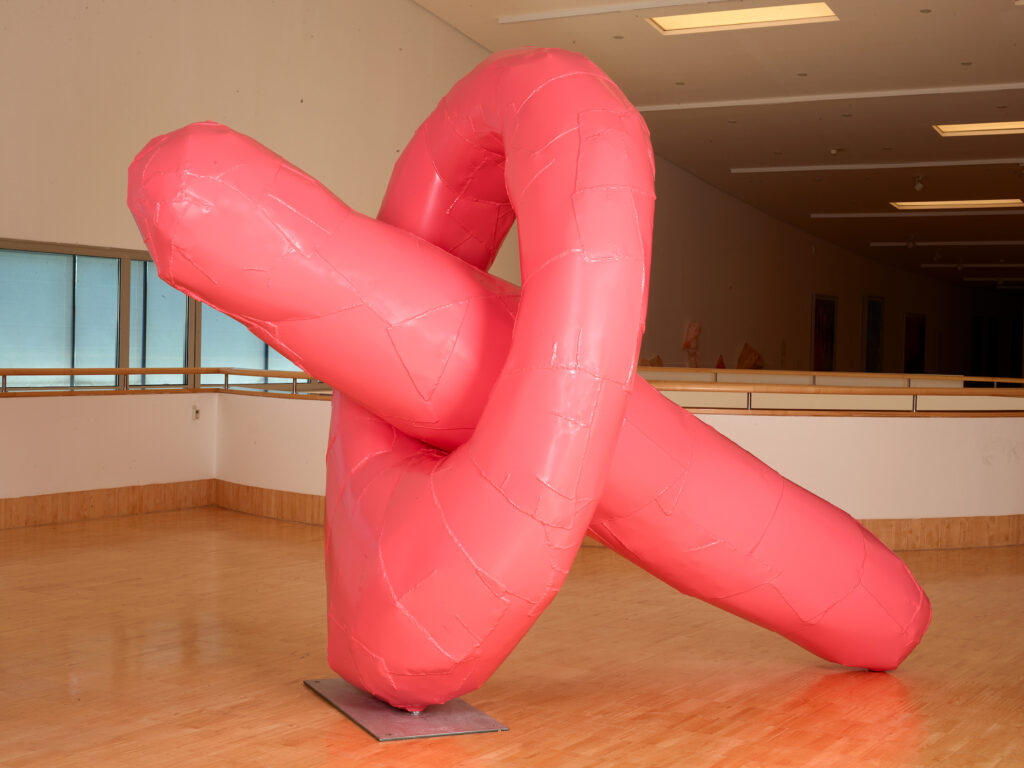
The ALBERTINA Museum is devoting a retrospective to Franz West (1947–2012) in honor of what would have been his 80th birthday. This nonconformist artist, known for an unruly personality characterized by willfulness and humor, participated in multiple editions of documenta and the Venice Biennale, whose Golden Lion he received in 2011.
It was under the influence of Viennese Actionism that West originated his legendary Adaptives in the 1970s: by being worn, held, or attached, the prosthesis-like forms adapt to the shapes of the body and give the audience the opportunity to interact. Objects thus become opportunities, with art becoming a situation. West’s oeuvre breaks boundaries, connects art with life, and has inspired multiple generations of artists. This presentation pays homage to one who removed art from its pedestal to place it in the thick of life.
ALBERTINA, Wien – Familiensammlung Haselsteiner © Archiv Franz West © Estate Franz Wien Foto: ALBERTINA, Wien
Tiffany Sia: Overt Listening
13/11/2026 - 31/01/2027
Kunsthalle Wien Museumsquartier
Museumsplatz 1, 1070 Wien, Österreich
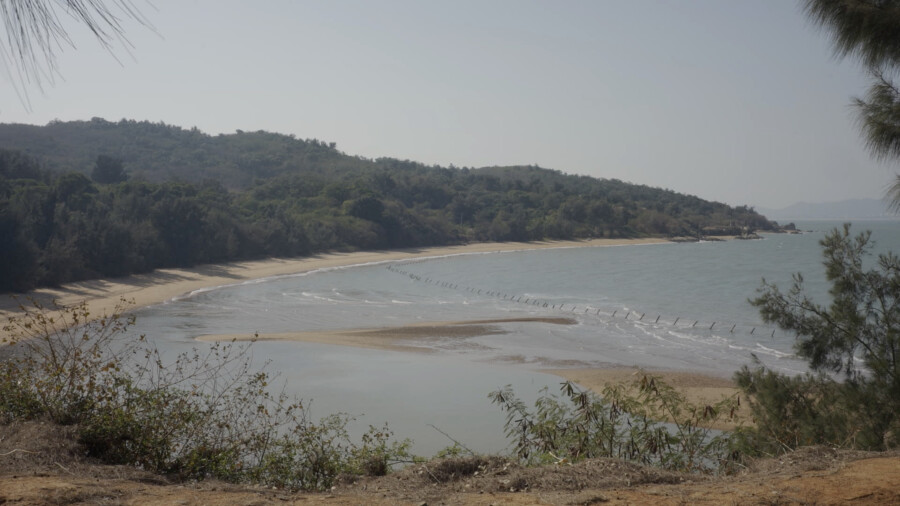
The film, Overt Listening, is the focus of Tiffany Sia’s
(b. 1988, Hong Kong) first institutional solo exhibition in Austria.
Set on the Kinmen Islands in Taiwan, just a few kilometers off the Chinese coast, the film critically examines the consequences of the Cold War, shedding light on the history of the difficult and often imperceptible geopolitical tensions in the Pacific Theater.
Sia combines footage of historical sites such as military bunkers with landscape scenes of deserted beaches.
This is accompanied by the sounds of radio broadcasts and military exercises. The work, which unfolds in a series of chapters within a spatial installation across the ground floor of the Kunsthalle Wien Museumsquartier, blends oral narratives, official historiography,
and popular culture into a comprehensive cinematic essay.
Overt Listening by Tiffany Sia is co-produced with the KW Institute for Contemporary Art, Berlin.
Tiffany Sia, Overt Listening (Still), 2025 Courtesy der Künstlerin und Maxwell Graham, New York
NEU. SACHLICH. Fotografie der 1920er- und 1930er-Jahre
13/11/2026 - 28/02/2027
Museumsplatz 1, 1070 Wien, Österreich
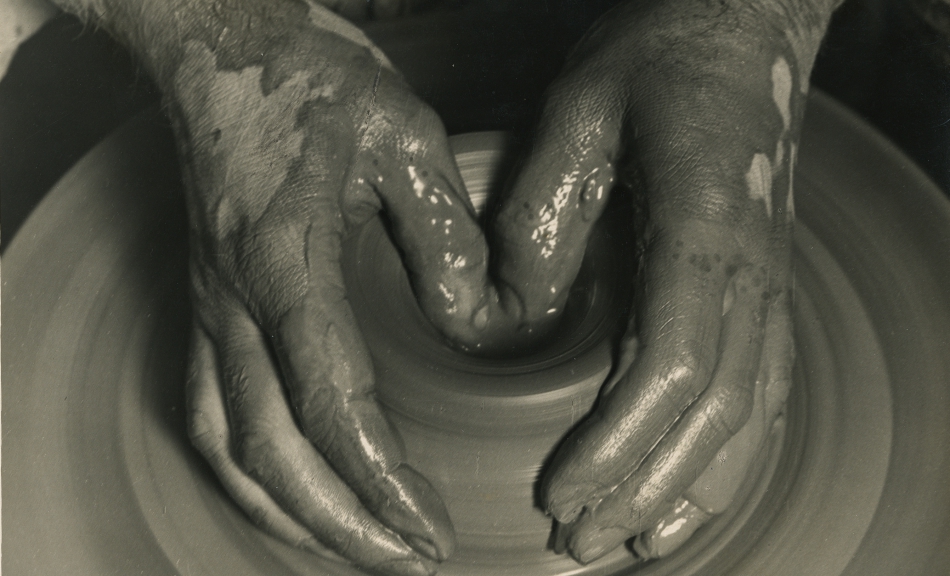
Sober, clear, objective – these adjectives describe the new way of seeing the world following the fallout of World War I. The type of “art photography”, practiced until 1914 especially by ambitious amateurs, with its romanticizing estheticism, had become obsolete. This new movement provided a direct, unadorned pictorial style, which accommodated the needs of the medium and represented a clear commitment to technological Modernism. In Germany, Ellen Auerbach, Aenne Biermann, Karl Blossfeldt, Alfred Ehrhardt, Albert Renger-Patzsch and August Sander adhered to a “new objective photography” which culminated in the 1929 exhibition Film und Foto organized by the German Werkbund. Championing a visual language in keeping with the times, the exhibition, which was shown in Vienna straight after its initial presentation in Stuttgart, impacted on the oeuvres of Austrian photographers, including Trude Fleischmann, Grete Kolliner, Rudolf Koppitz and Otto Skall.
Following central motifs and themes, the exhibition showcases in excess of one hundred preeminent artistic positions of New Photography from the 1920s and 30s and features a selection of works from renowned European museums, institutions and collections, as well as works from private collections that have never been displayed before.
WIENER WERKSTÄTTE/WILHELM WILLINGER (Fotografie), Kleid entworfen von Eduard Wimmer-Wisgrill (1882–1961), 1919 © Leopold Museum, Wien | Foto: Leopold Museum, Wien

DOWN UNDER: Kunst aus Australien
24/11/2026 - 02/05/2027
Albertina Modern
Karlsplatz 5, 1010 Wien, Österreich
Paintings of monumental beauty and power. Emily Kame Kngwarreye’s (1910–1996) works embody a detailed understanding of her ancestors’ land, conveying stories and knowledge passed down through generations. Arguably the most famous figure in First Nations art, who did not begin painting until her late 70s, created a comprehensive body of work over the following eight years until her death—a body of work that is the focus of this exhibition featuring artists from Australia.
The exhibition draws on the ALBERTINA’s extensive collection in this field, which comprises around 100 works and was most recently expanded by a donation from the collector couple Elisabeth Bähr and Lindsay Frost on the occasion of the museum’s 250th anniversary. Australian photographers such as Destiny Deacon and Tracey Moffatt round out the presentation of art from Down Under.
Nyunmiti Burton Untitled (52-22AS), 2020 ALBERTINA, Wien © Bildrecht, Wien 2025 Foto: ALBERTINA, Wien
100 BESTE PLAKATE 25. Deutschland Österreich Schweiz
02/12/2026 - 04/04/2027
MAK - Museum für angewandte Kunst
Stubenring 5, 1010 Wien, Österreich
A cooperation between the MAK and the association 100 Beste Plakate e. V.
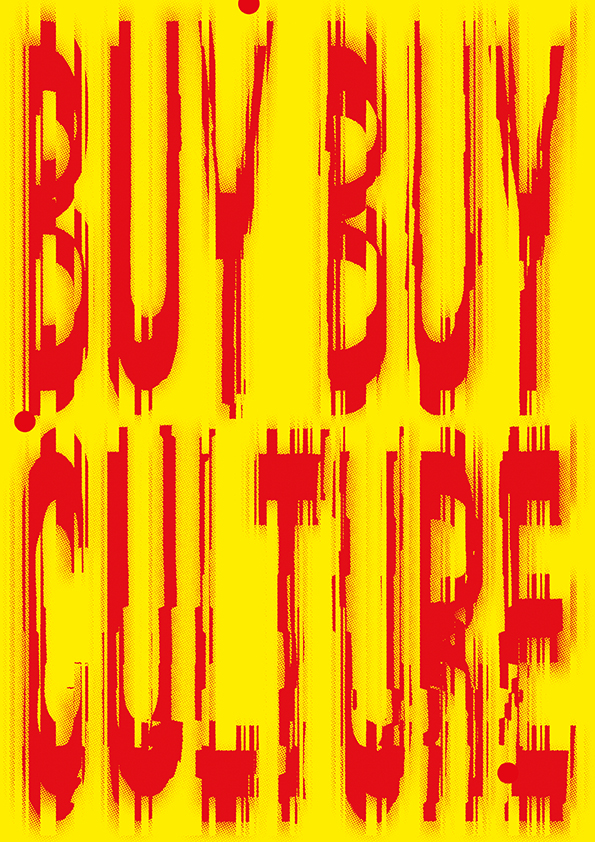
For the 21st time, the MAK turns its attention to the most innovative minds in graphic design. Making a clear statement as to their irreplaceable relevance, the exhibition 100 BEST POSTERS 25 highlights the top posters out of Germany, Austria, and Switzerland. While digital media clamor for attention, these award-winning works show how design can be used to signal a stance.
Credit: © Jeremy Traun / 100 Beste Plakate e.V
Verena Paravel: Cosmofonia
05/12/2026 - 30/05/2027
mumok – Museum moderner Kunst Stiftung Ludwig Wien
Museumsplatz 1, 1070 Wien, Österreich
Cosmofonia is an immersive, sensory film project by filmmaker and artist Verena Paravel.
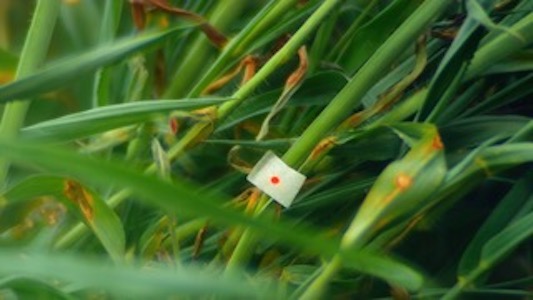
Unfolding across multiple chapters and environments, it proposes a new cinematic form attentive to the lives of animals, plants, and ecosystems—not by adopting their perspective, but by displacing the human as the organizing center of perception and opening toward other rhythms, other presences, other forms of agency.
Cosmofonia explores the inaudible sounds and voices of the planet: infrasonic vibrations, seismic resonances, interspecies acoustic exchange, and the sonic traces of ecological transformation and survival.
These registers exist beyond the threshold of human hearing and remain largely unknown even within scientific circles. Paravel approaches them through experimental sound practices and unconventional image-making, guided by her interest in “seeing with the ears.”
Her investigations reject both naive naturalism and the fetishization of technology. Image and sound become instruments of attention and contact rather than illustration—revealing a world in which the boundaries between species, bodies, and environments are porous, and where human and nonhuman presences coexist without hierarchy. For many visitors, Cosmofonia will offer a first encounter with these sounds—an experience that transforms not only how we hear the natural world but also how we understand our place within it.
Verena Paravel Cosmofonia, 2025-2026 Film still
Erna Rosenstein: Jenseits der Stille
03/07/2027 - 10/01/2027
Unteres Belvedere
Rennweg 6, 1030 Wien, Österreich
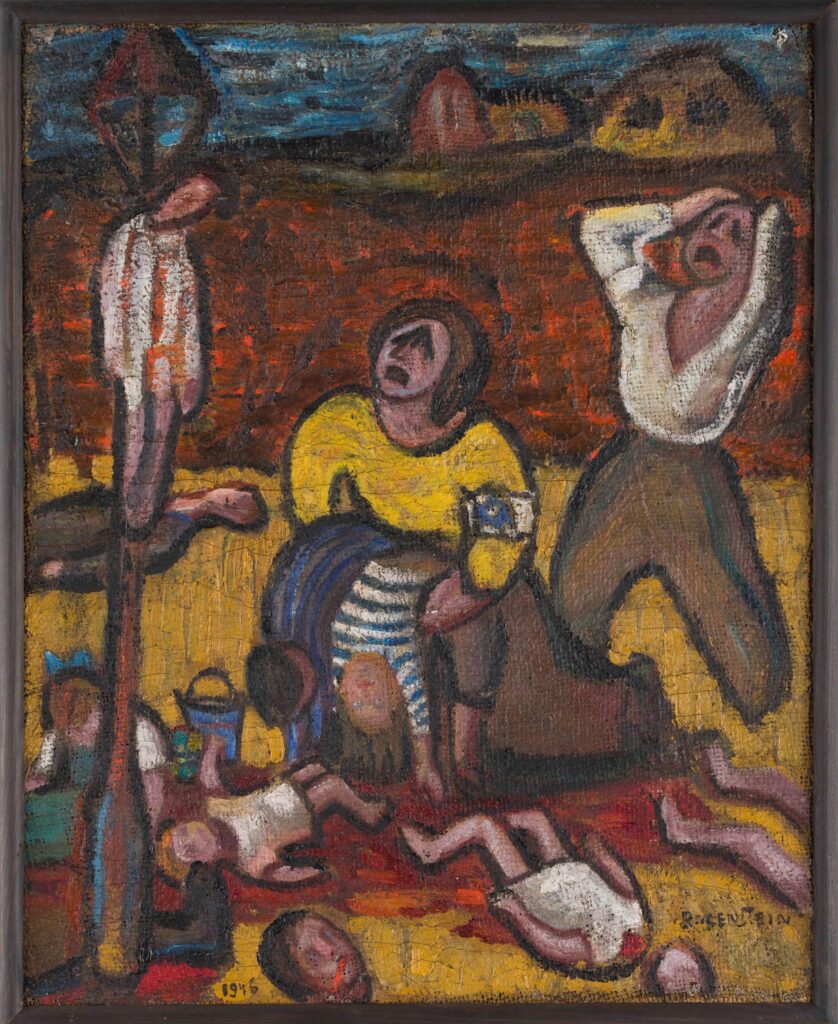
For the first time in Austria, a major retrospective is paying tribute to Erna Rosenstein (1913–2004), a key figure of the postwar Polish avant-garde.
Against the backdrop of the Shoah and political upheavals in Poland, her works bear witness to the resilience of an artist who never wavered in her political convictions and artistic ideals.
In a career spanning six decades, Rosenstein developed a multimedia visual cosmos that reveals how the present is woven together with memories of the past and how collective and individual experiences are intertwined.
Curated by Stephanie Auer.
Assistant Curator: Miroslav Haľák
Digital Photography Studio at the National Museum in Poznań The Estate of Erna Rosenstein - courtesy of Foksal Gallery Foundation and Hauser & Wirth