EVENT LANGUAGE: GERMAN
If anything has become increasingly clear from the recent past of complex world history, it is that far more elements are interconnected in a modern liberal society than it seems at first glance. Interventions in one place lead to effects in completely different places; not all interdependencies are expected or taken into account by the people involved.
Anyone who wants to put the energy supply on a sustainable basis, for example, can point to the problematic effects of previous fossil fuel systems in terms of climate impact. However, they must also acknowledge the gains in prosperity achieved so far—from increased life expectancy to poverty reduction—and must offer viable alternatives. Those calling for greater solidarity with refugees must also consider the effects on the social fabric of Western societies. And when narcissists like Elon Musk believe they can optimize government agencies through corporate thinking or impose their worldview on a society that did not elect them, they often learn the hard way about the consequences of such interventions—such as the recent collapse in Tesla sales in the European market, which is otherwise quite climate-conscious.
The more hardened the fronts become, the more frequently terms like “collateral damage,” “dry spell,” or “medicine for the healing process” are used to describe the unexpected side effects of decisions made too hastily and one-dimensionally—while at the same time presenting them as unalterable facts, thereby illegitimately removing them from public criticism. This dynamic applies to the private, public, and political spheres alike and poses growing challenges for both decision-makers and those affected.
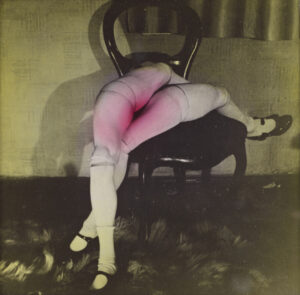
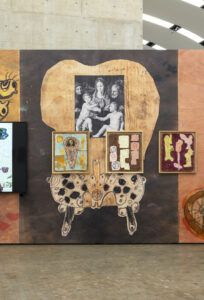
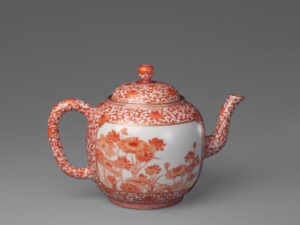
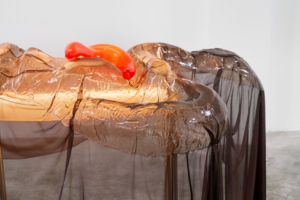
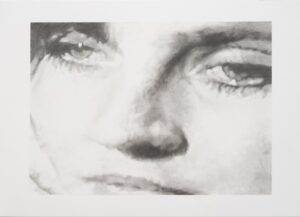
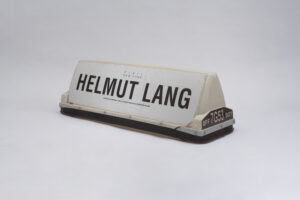
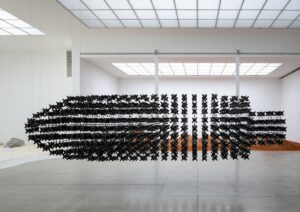
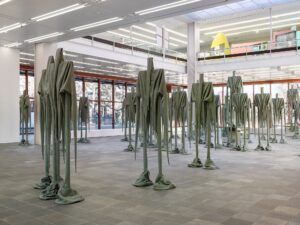
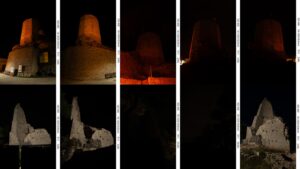
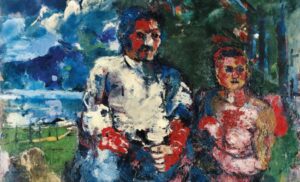
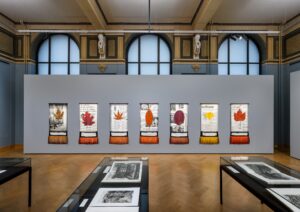
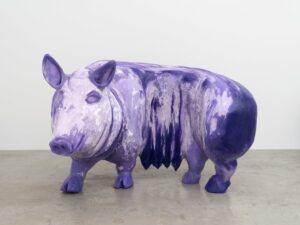
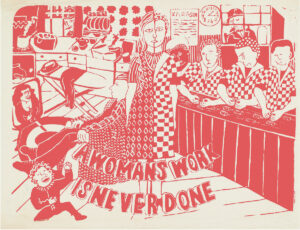
Art and artists take up these developments creatively, exploring the notion of “learning systems” and constructing new networks from them—sometimes adding to the confusion, sometimes helping to unravel it, but in both cases contributing to deeper understanding. Artistic interventions have systemic effects: elements from one sphere are transferred to another; oversized cell clusters are built from hardware store cable ties; graphic projections emerge from phonetic sources; nature imagery transforms into snapshots of complex systems or into documentation of interfaces between distant galaxies. Pure associations can lead viewers to a deeper understanding of systemic interrelations and foster an appreciation of their complexity. This, in turn, can have democratic and political consequences—since only through such understanding can urgently needed changes be implemented democratically. And if art contributes to this, then it achieves far more than is commonly attributed to it.
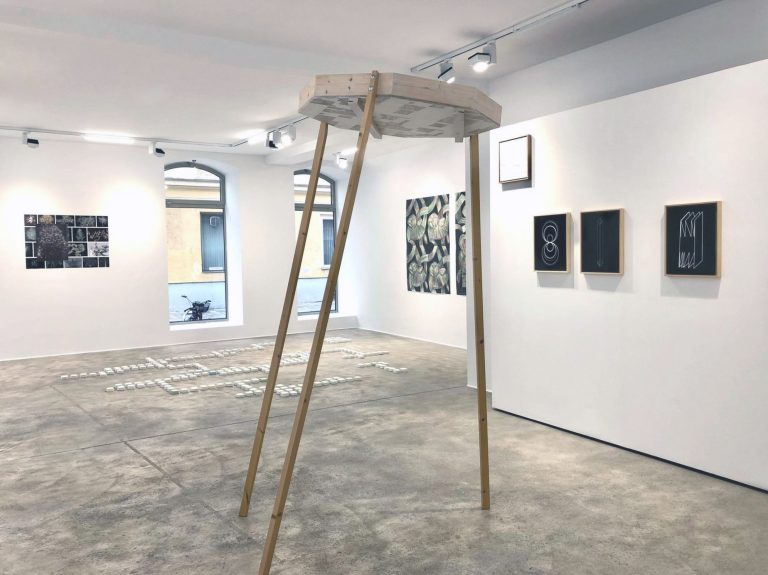
flat1_artspace
Since 2009, flat1_artspace has been showing thematic group exhibitions. Interdisciplinary performances form an additional program. Another focus is the promotion of exchange between inter/national artists and the creation of networks. The program is designed by the visual artists Karin Maria Pfeifer and Sula Zimmerberger, who expand the spectrum of their artistic activities through their curatorial work.

Opening: 'what world keeps together most inside - like Goethe's Faust asks urgently'
9 Nov 2025/18:00-21:00H
flat1
Radetzkystraße 4, 1030 Wien, Österreich
copyright/ flat1 artists/ links Zimmerberger, rechts Pfeifer