Looking Back at VIENNA ART WEEK 2025
With the 21st edition of VIENNA ART WEEK, which ended on November 14, we can look back on an intense and inspiring festival week.
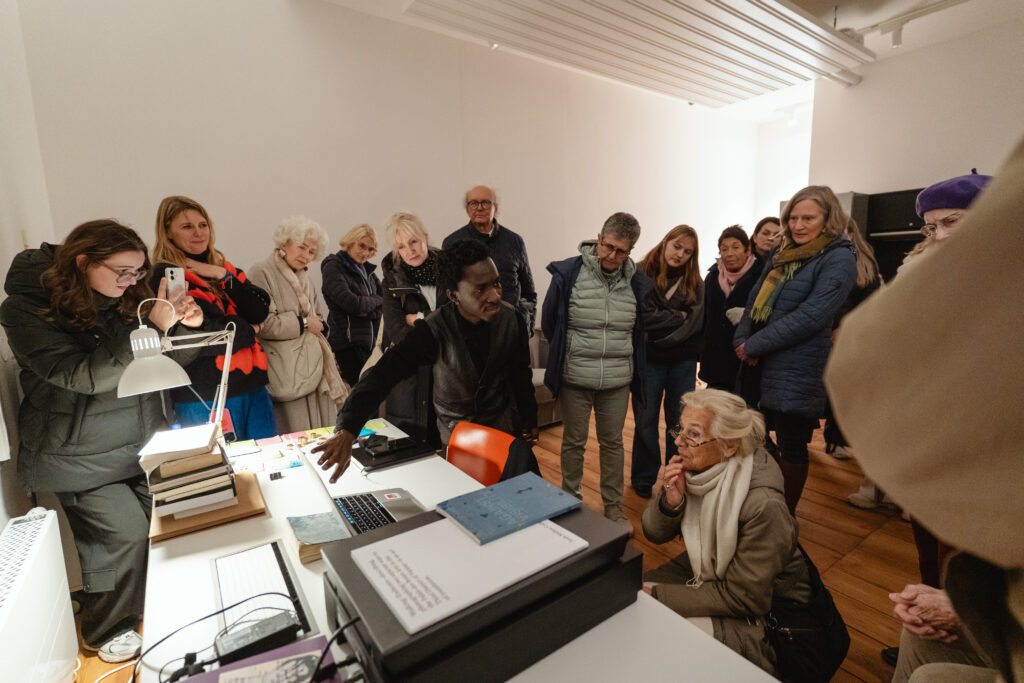
Vienna Art Week - Führungen Praterateliers (BildhauerInnenGebäude im Wiener Prater, 08.11.2025)
Together with around 70 partners, we were able to offer visitors around 115 exciting program items free of charge during the festival week, including the popular inclusive program series VIENNA ART WEEK for everyone, with program items for people with disabilities or chronic illnesses. This year’s motto, Learning Systems, opened up a lot of space for exciting approaches and perspectives—together, we took a closer look at systems and learning processes in and around us.
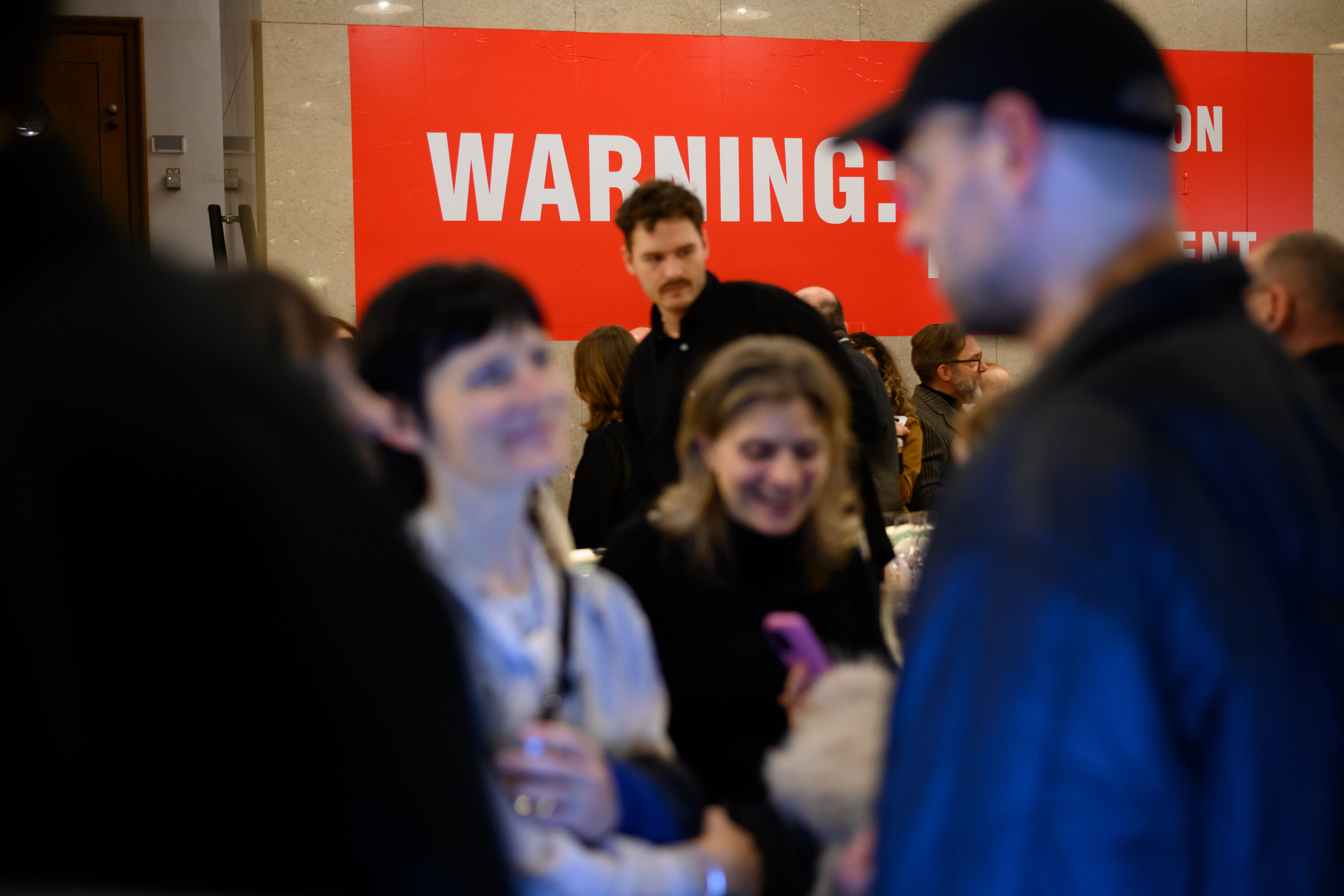
Opening "House of Learning Systems" © eSeL.at - Joanna Pianka
Many of our association members incorporated the motto into their program design. For example, during the guided tour for adults entitled “How does a museum work?” at the Heidi Horten Collection, visitors were given a glimpse into the workings of a museum; under the motto “The Joy of Collecting and the Obsession with Order,” they could enjoy a guided tour of the Vienna Kunstkammer at the KHM; at the Angewandte, they could immerse themselves in the learning system of an art university during an open class; and on a tour of the Dom Museum Wien with artist Iris Andraschek entitled “Exploring, Narrating, Preserving,” which covers everything from historical events in St. Stephen’s Cathedral to contemporary art.

“Angewandte Insights”: Jan Svenungsson's class – drawing and printmaking © eSeL.at - Robert Puteanu
The panel discussion we organized together with PARNASS art magazine, which took place in front of a full house at the Dorotheum, also closely followed the theme, focusing on the international art market and the art world as a system in constant flux.
The event kicked off with a keynote speech by State Secretary Sepp Schellhorn, who reflected on the importance of art and cultural diplomacy in the international political landscape. This was followed by a discussion between STRABAG ART Director Sebastian Haselsteiner, collector Timo Miettinen, artist Eva Schlegel, and Kunsttrans CEO Birgit Vikas, moderated by PARNASS editor-in-chief Silvie Aigner, discussed current trends and the value and knowledge systems that shape the global art market today, as well as the question of what the art world can learn from its own institutional mechanisms—and what it should unlearn.

Panel discussion “Learning Systems” at the Dorotheum © eSeL.at - Lorenz Seidler
The independent scene, which had submitted program proposals via an open call, also tied in with the Learning Systems theme. For example, the performance “How to Make It As An Artist In 50 Minutes (academic quarter hour included)” by Nina Bauer & Lisa Großkopf provided a tongue-in-cheek but critical insight into the mechanisms of the “art market system” and highlighted the pressure exerted on artists within it.
LumenX – open photo lab dedicated its exhibition “Learning Systems Unlearned” to creative subversion in photography, and the Queer Museum Vienna questioned established routines and professional norms in the “museum” system, critically examining the dominant logic of exhibition-making in Vienna’s cultural scene.
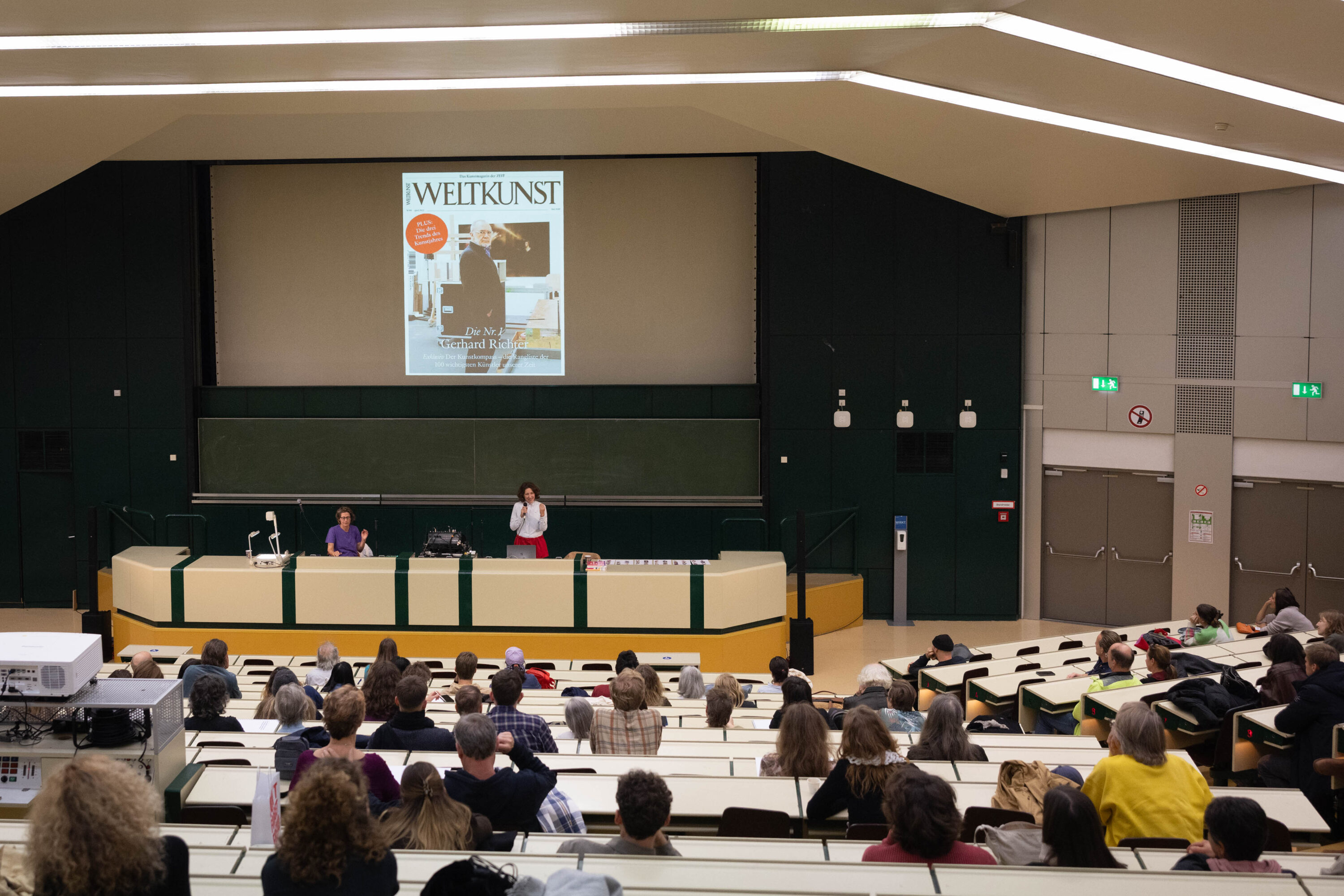
Lisa Großkopf & Nina Bauer "How to Make It As An Artist In 50 Minutes" © eSeL.at - Lorenz Seidler
In collaboration with external program partners, we were once again able to offer a diverse range of program items at the interface between art and science, technology, and religion. For example, the Jewish Museum Vienna presented the performance “Mizrachi Futurism: Situated Systems” by Sheri Avraham, which examined the intertwined processes of identity formation and belonging from a Mizrahi queer perspective.
The TU Vienna Library opened the exhibition “Weltverständnis?” (Understanding the World?) by Olaf Osten, who artistically questions our approach to technological achievements, the ethics of science and AI, and our relationship to nature in the Anthropocene. The Natural History Museum was also represented with the performance “Mineral As Musical Note” by Camila Sposati, which musically explored the museum’s mineral collection, one of the largest and most historically significant in the world.
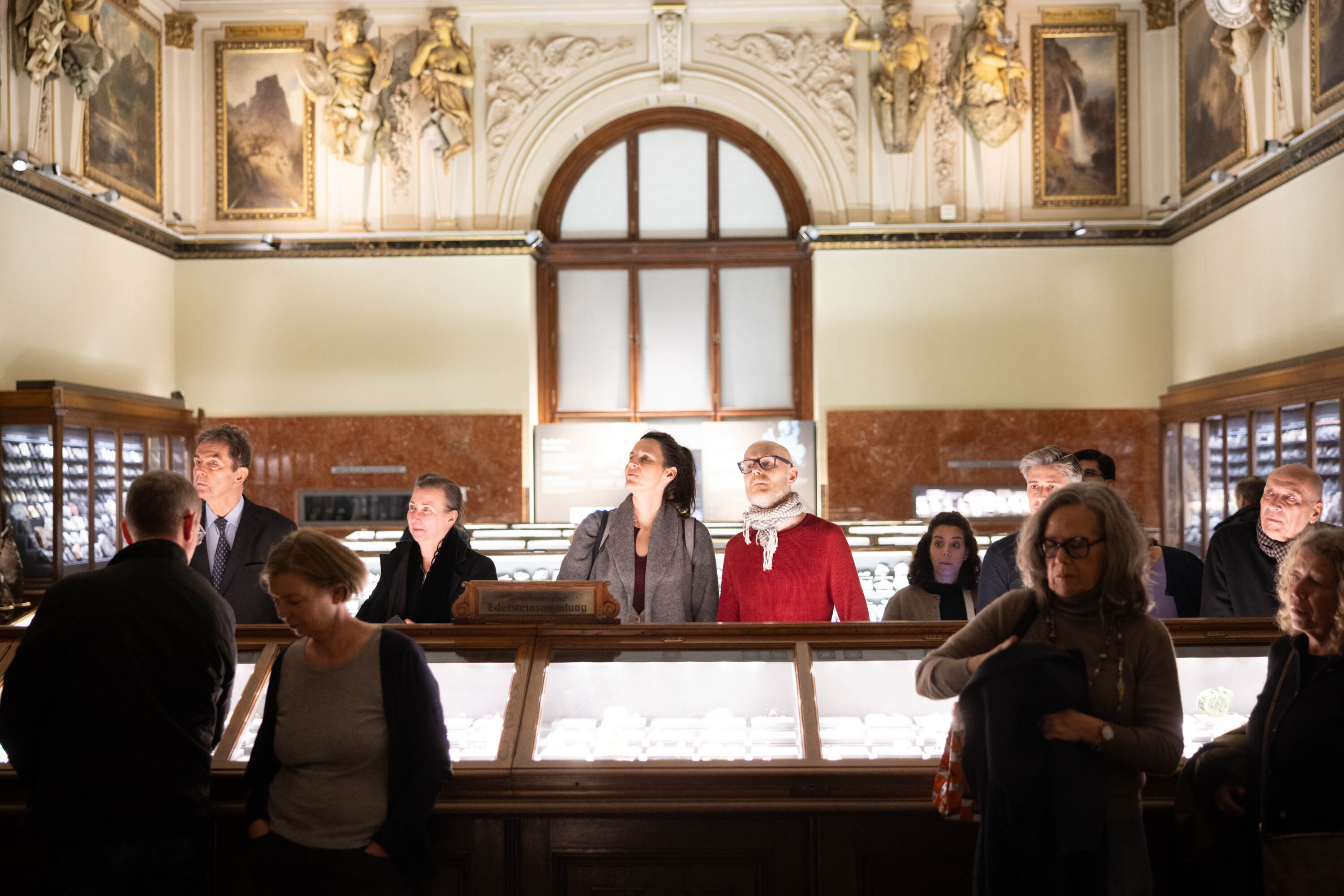
Camila Sposati "Mineral as a Musical Note" © eSeL.at - Lorenz Seidler
A particular highlight this year was our large exhibition House of Learning Systems in the former ORF broadcasting center, which ultimately turned out to be more extensive than originally planned, with more than 90 works by over 30 artists from 14 countries, curated by Robert Punkenhofer and İsin Önol . But when VIENNA ART WEEK can fill six floors, it does just that.
After an intensive set-up phase, we opened on the evening of November 7 with live performances, great DJs, and a full house. During the following exhibition week, we welcomed over 3,000 visitors, and numerous guided tours took place throughout the week. A special moment was the curator’s tour on Sunday, during which Robert Punkenhofer and co-curator İsin Önol led a tour of the entire building in conversation with many of the artists—and the last participants left the tour after more than three hours of questions and discussions.
Here are some impressions of the House of Learning Systems:
Click here to watch the video.
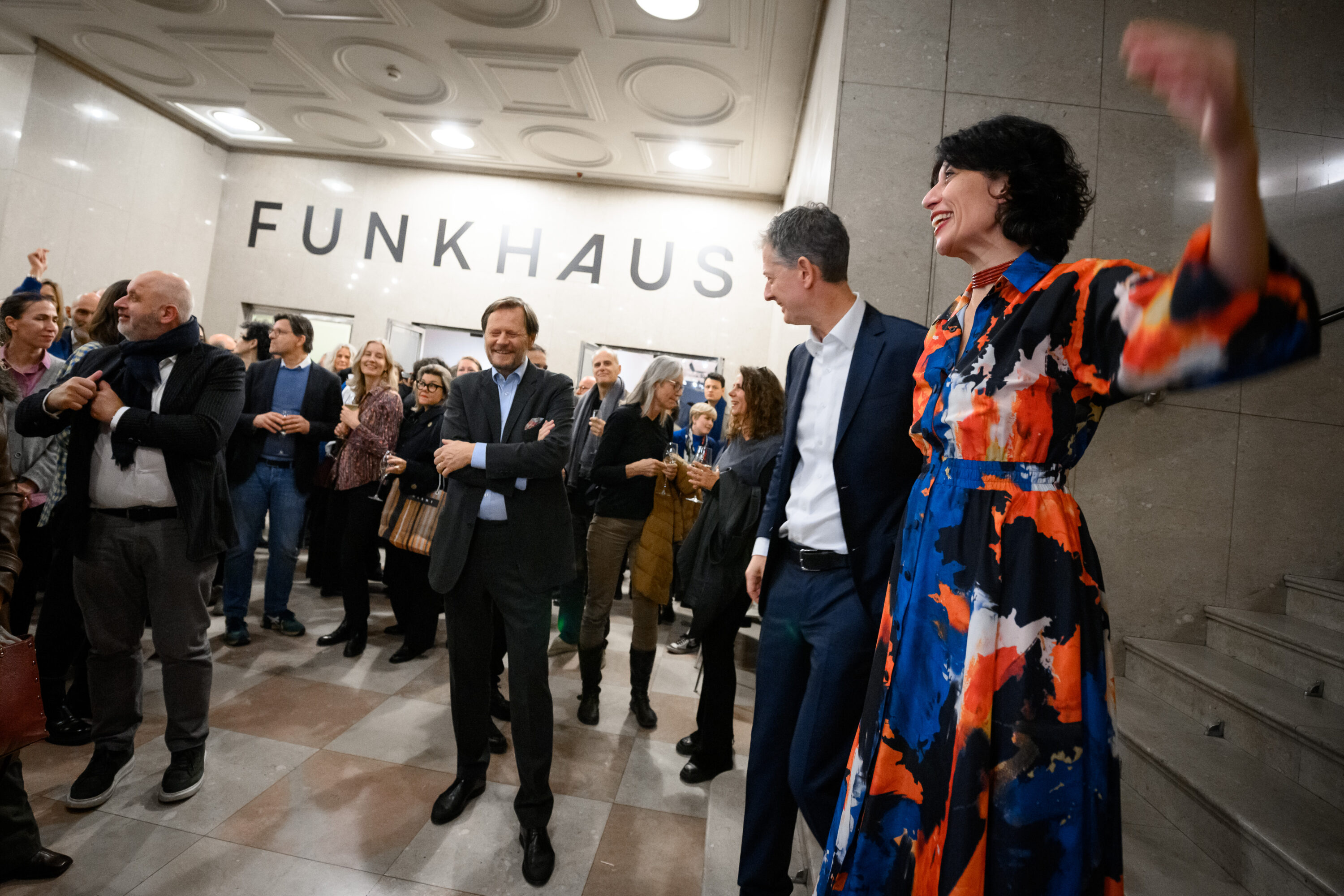
Opening Night at the House of Learning Systems 2025 © eSeL.at - Joanna Pianka
Our popular Open Studio Days also took place during the opening weekend: a total of 50 artists selected by our international jury of experts opened their studios to visitors, offering insights into their artistic practice and making themselves available for questions and discussions. Eight guided tours took visitors through more than 25 studios in different districts, supplemented by two barrier-free tours and four gallery tours through our partner galleries.
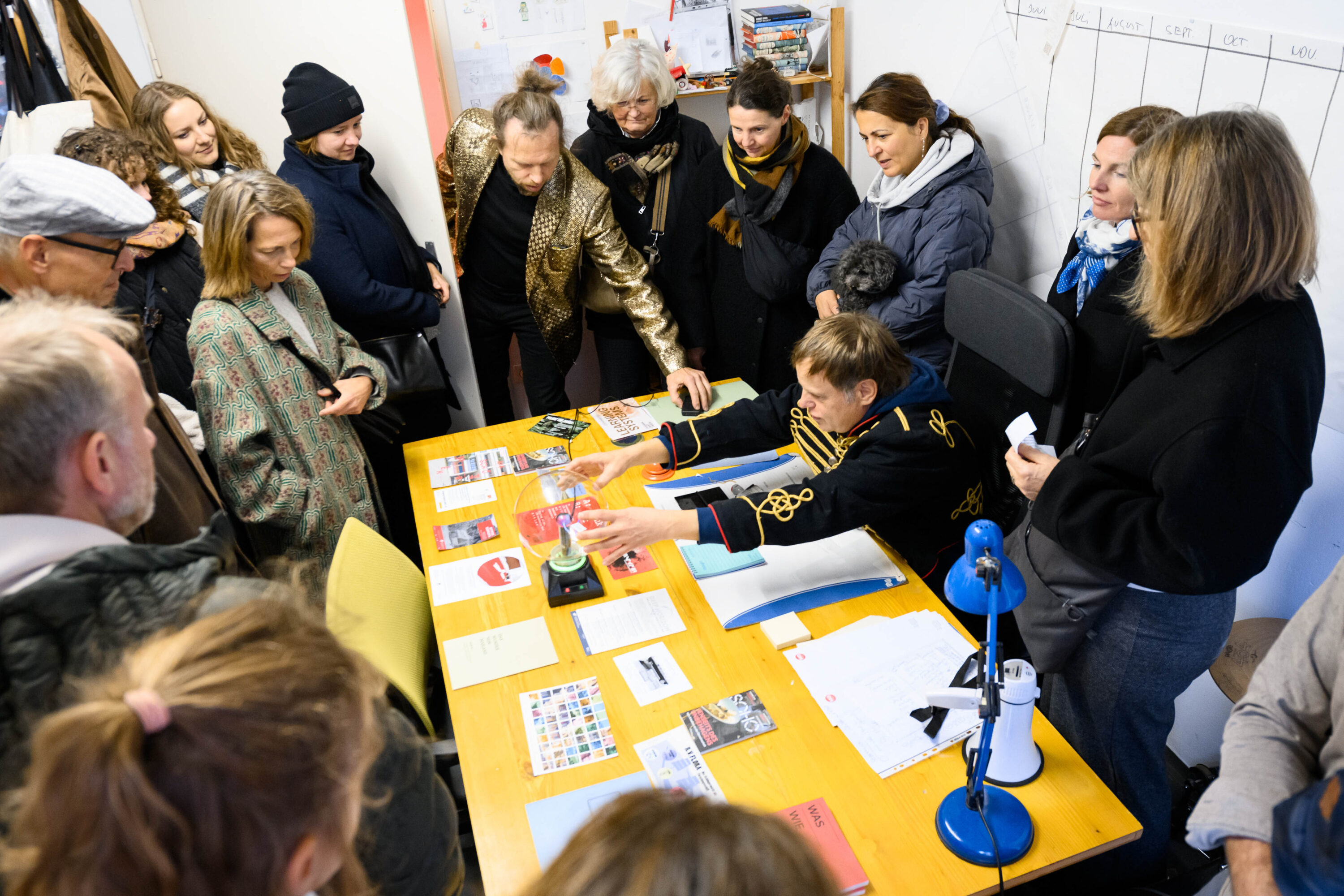
Gerald Straub & Matthias Meinharter at the Open Studio Days 2025 © eSeL.at - Joanna Pianka
As in previous years, our cooperation with Superbude enabled us to invite an artist to the VIENNA ART WEEK Residency again this year, and we had the privilege of working with Kurdish artist Fatoş İrwen.
İrwen, who was born and raised in the historic district of Sûr in Diyarbakır, combines artistic practice with activism. Despite her political imprisonment in Diyarbakır from 2017 to 2020, she continued her artistic work. Her works deal with memory, body, and space, as well as the effects of social violence on individual experience.
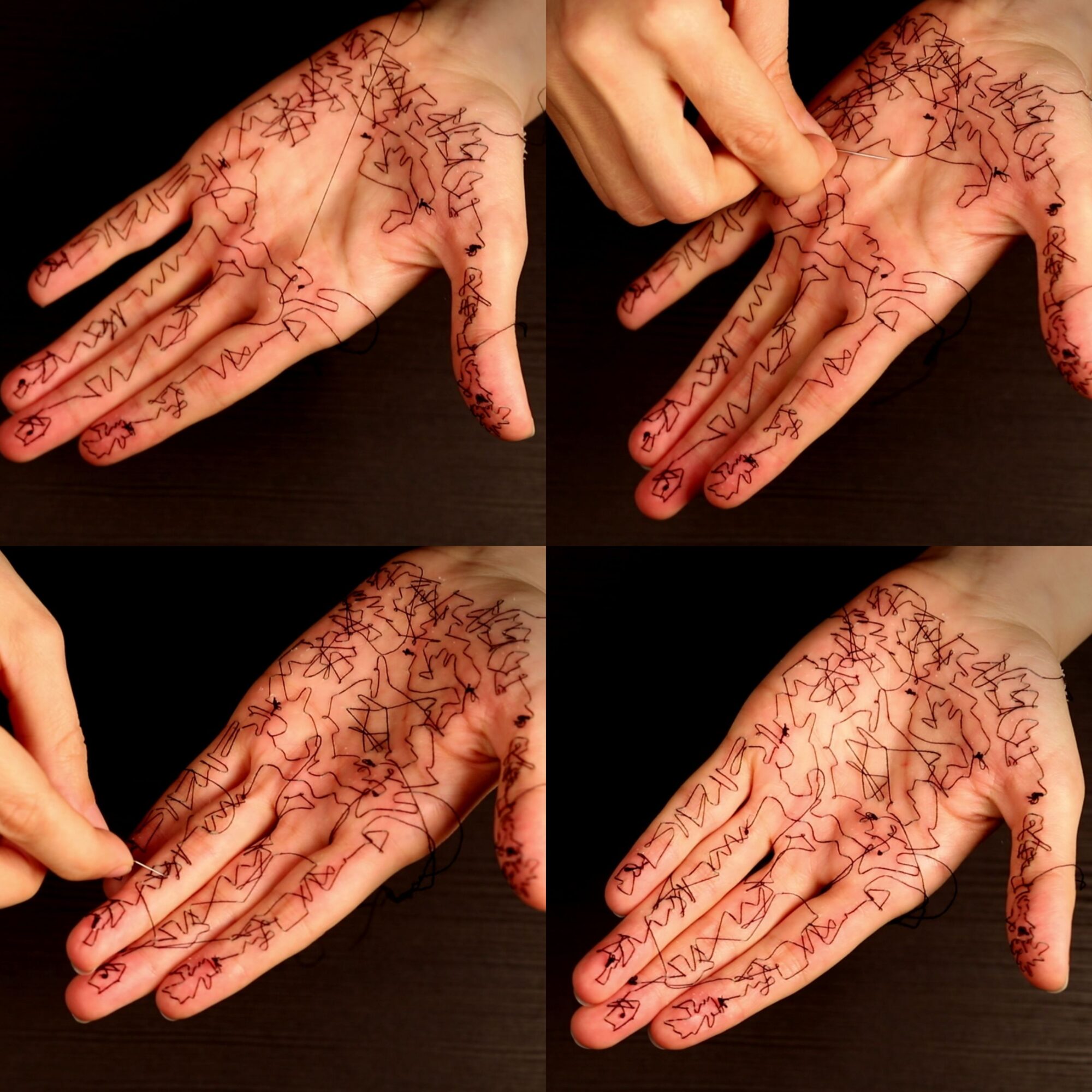
© Fatoş İrwen
And, of course, there was much more to discover and experience—our entire program can be viewed online here.
VIENNA ART WEEK 2025 also received extensive media coverage: click here for the press review. In addition to numerous reports on domestic television, radio, and in the press, articles also appeared in international publications such as Kunstforum International and Art in America.
The strong response to numerous program items—many events were well attended or already sold out in advance—as well as the continuous growth of our digital community, which now has around 38,600 subscribers and followers, underscore the great interest in contemporary art and its diverse discourses.
This energy, the many encounters, and the intensive exchange during the festival week will stay with us throughout the year. They encourage us to develop a multifaceted, open, and high-quality program again next year and to create new spaces for art, learning, and exchange.