NAVIGATING ANGST: What Role Can Museums and Art Institutions Play Today? – Part 1
VIENNA ART WEEK is organized by Art Cluster Vienna, an association representing Vienna’s leading art institutions. We asked our members: What does this year’s theme, “Navigating Angst,” mean to them? Here are their answers.
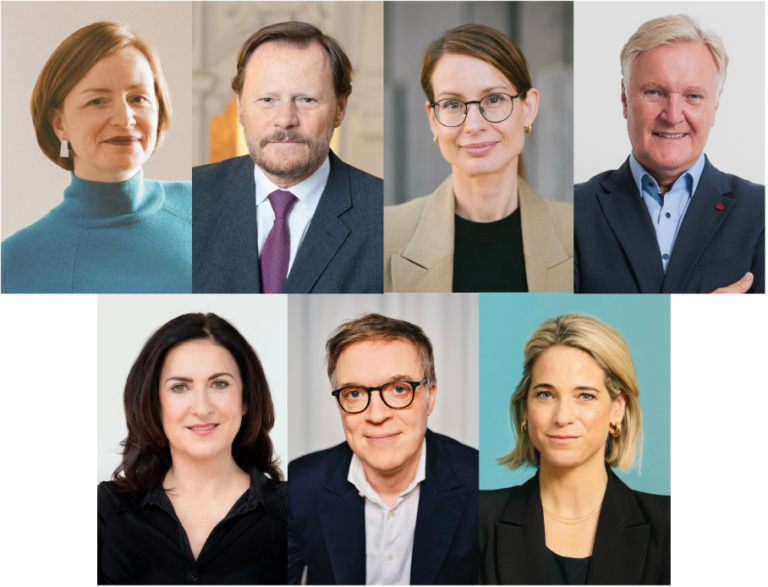
Director
Dom Museum Wien
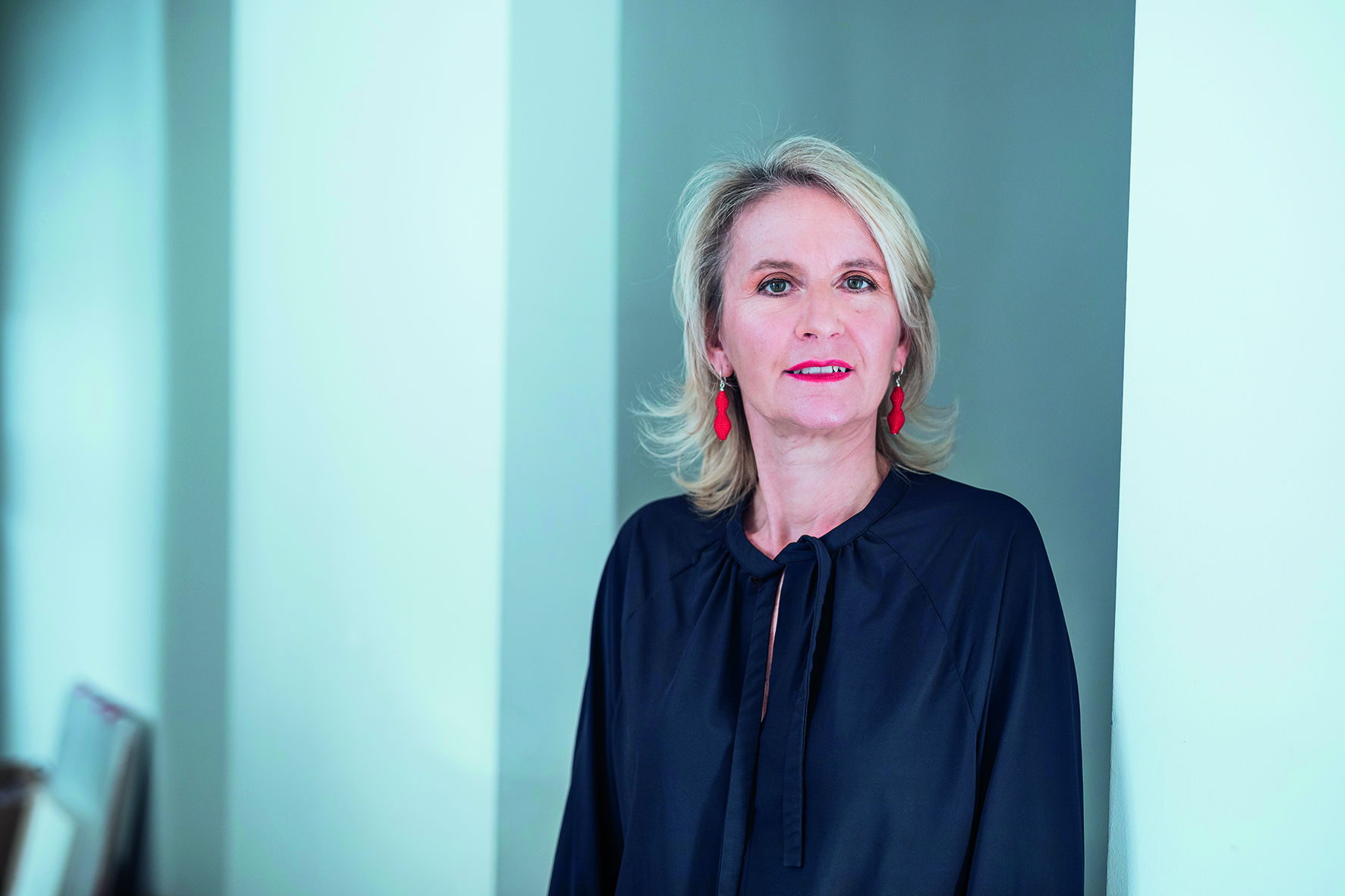
Photo: Marlene Fröhlich, marlene.at
War, climate change, the energy crisis—these are ever-present realities that trigger fear of existential threats and the uncontrollable.
Art is humanity’s response to this uncertainty; it offers a way to reflect on and overcome fear.
Dom Museum Wien provides a space for this exploration: as a socio-political platform and a place for personal reflection. From the Cathedral treasures to the contemporary collection, the museum embodies Otto Mauer’s philosophy: “Art changes people; it changes life.”
General Director
Kunsthistorisches Museum Wien
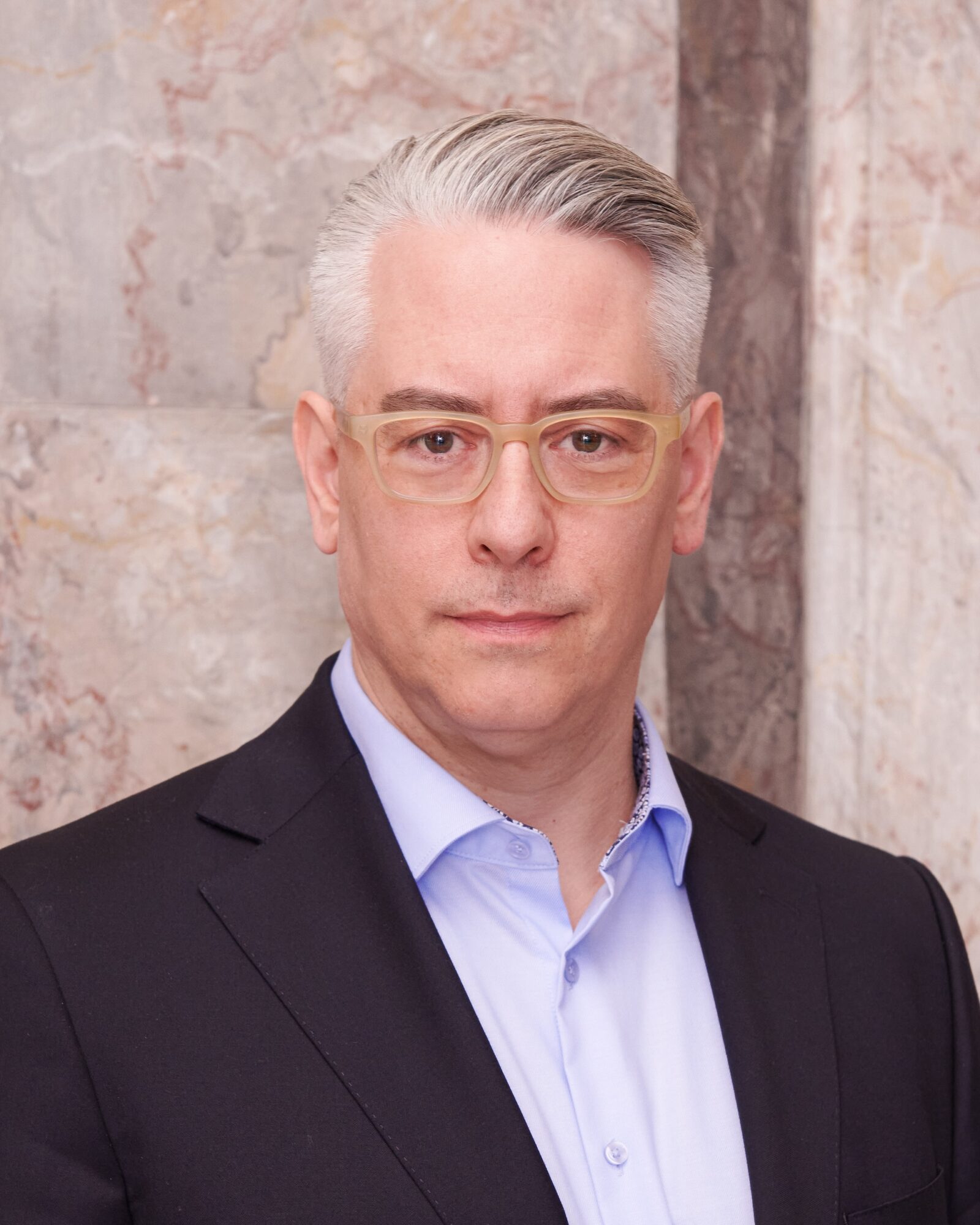
© KHM
Fear eats away at the soul. This is not merely a figure of speech, nor is it a metaphor. Fear wears us down—sometimes in small doses, sometimes in large bites. Fear diminishes us, limiting our abilities.
But art nourishes our spirit. For one thing, because engaging with beauty and art has been proven to have a positive effect: there are countries where a visit to a museum is prescribed as medicine. But also because artists—the Old Masters as well as those working today—have always grappled with the central questions of human existence: and with overcoming fear in order to create at all.
General Director
MAK
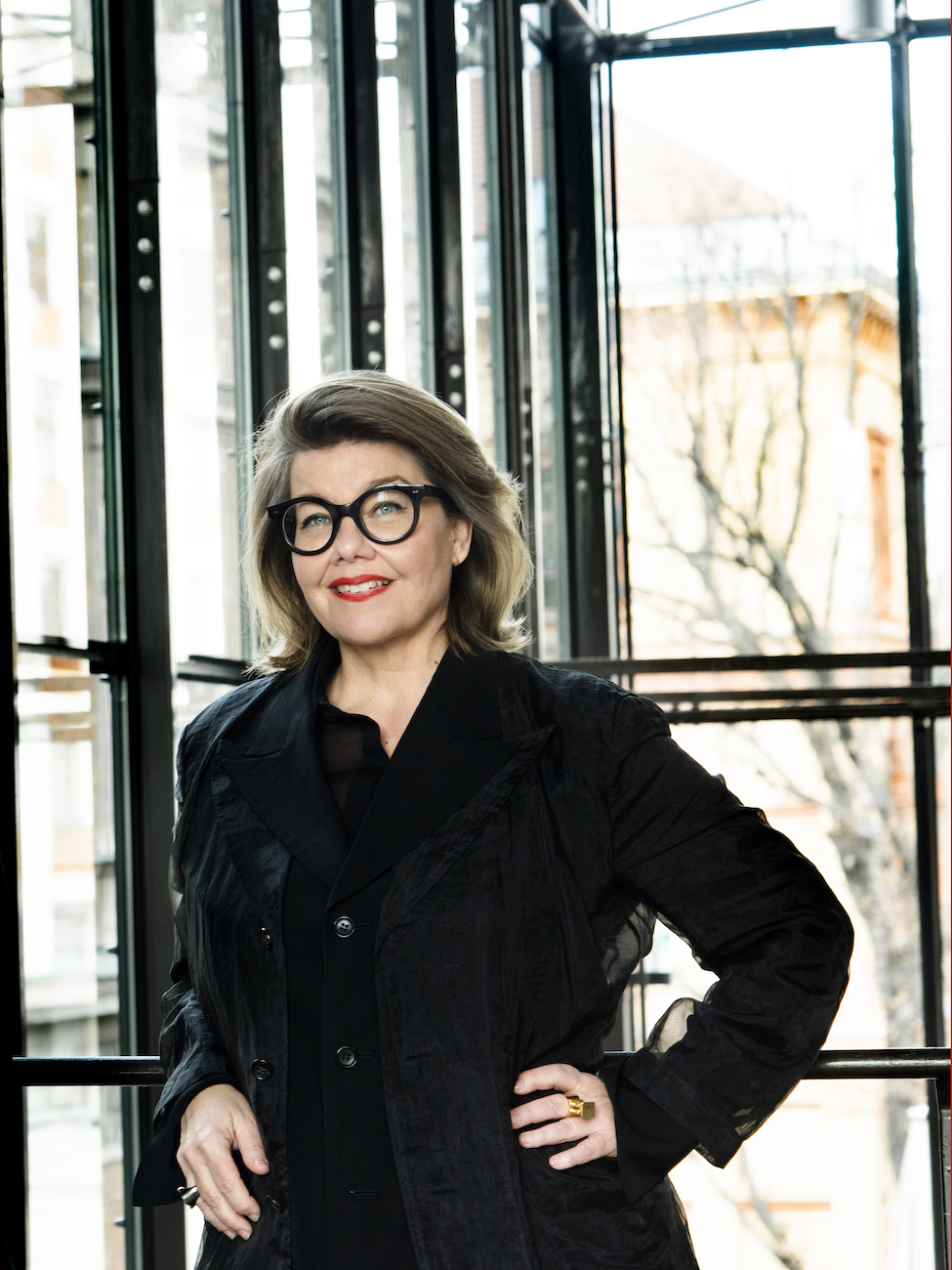
© Sabine Hauswirth/MAK
“Be afraid!” was not, in Christoph Schlingensief’s Church of Fear, a provocation for its own sake, but rather an attempt to prevent fear from being exploited for political and media purposes.
Those who recognize and articulate their own fear protect themselves from manipulation.
Director
MuseumsQuartier Wien
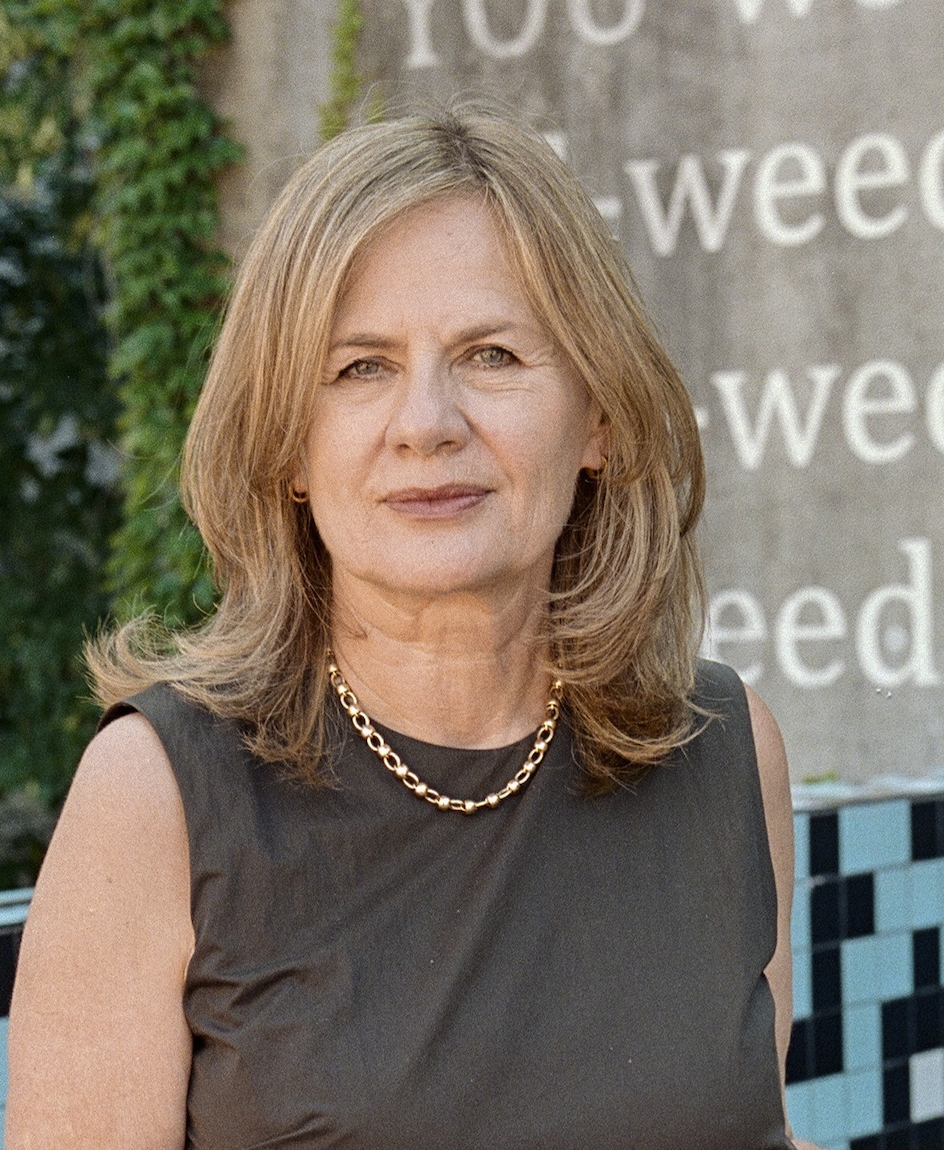
MuseumsQuartier / Leo Kandl
For 25 years, the MuseumsQuartier has seen itself as a place where art provides guidance—not through simple answers, but through an engagement with the complex questions of our time.
As an expression of a democratic understanding of culture that places diversity and participation at its core, the MQ opens up spaces for exchange and reflection.
Here, social challenges are addressed, connections are reimagined, and the contribution that art and culture can make to a sustainable coexistence is brought to light.
Director
Nitsch Foundation
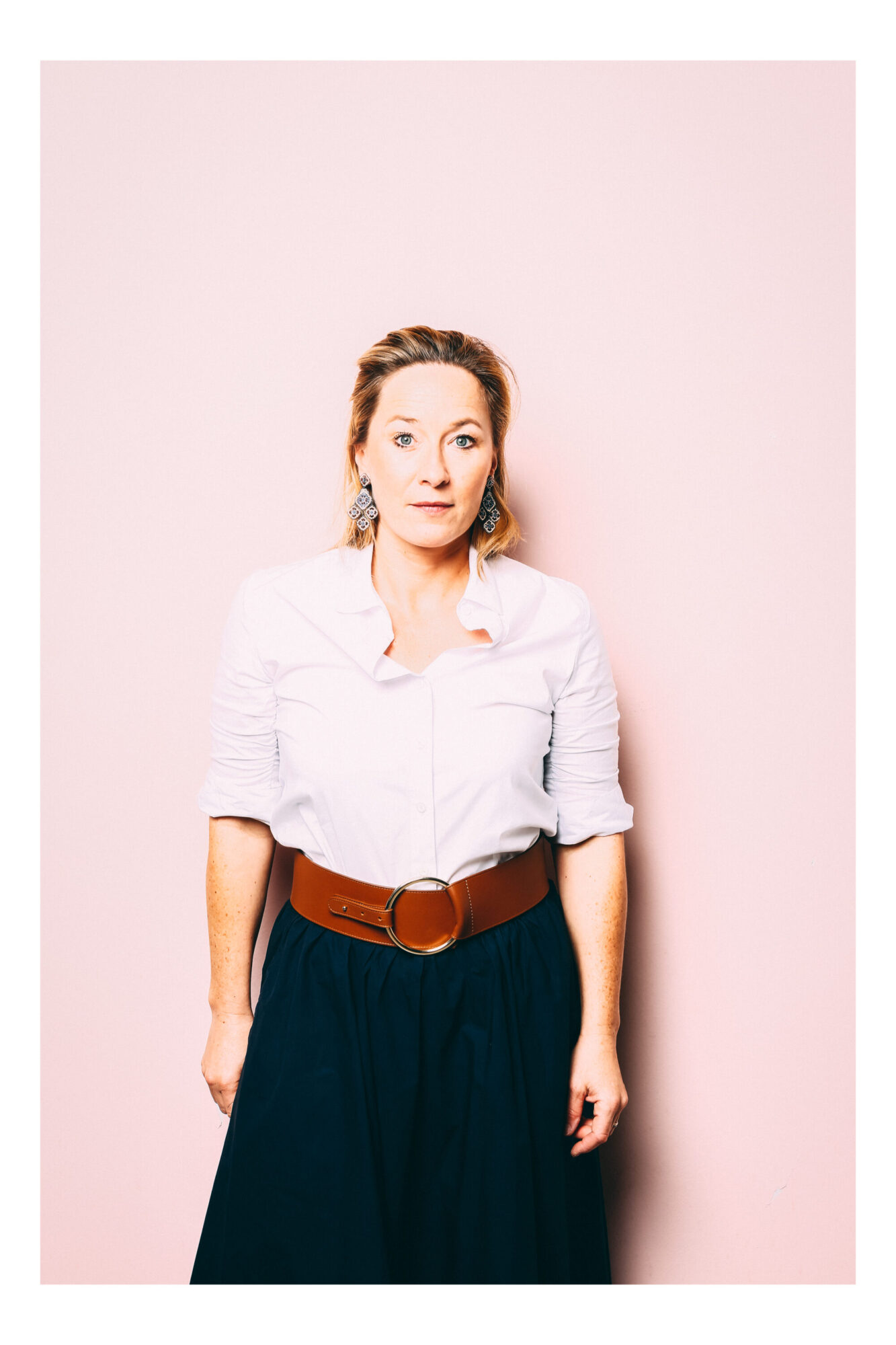
Photo: Nuno Filipe Oliveira
Hermann Nitsch’s art addresses fear not through avoidance, but through radical confrontation.
In the Orgies Mysteries Theatre, existential fears and the repressed become physically tangible through flesh, blood, and sacred rituals — a path to catharsis.
The Nitsch Foundation preserves this visionary legacy. Our role in ‘Navigating Angst’ is to raise awareness of this conceptual framework and to demonstrate how art functions as healing through confrontation.
Director
Austrian Frederick and Lillian Kiesler Private Foundation
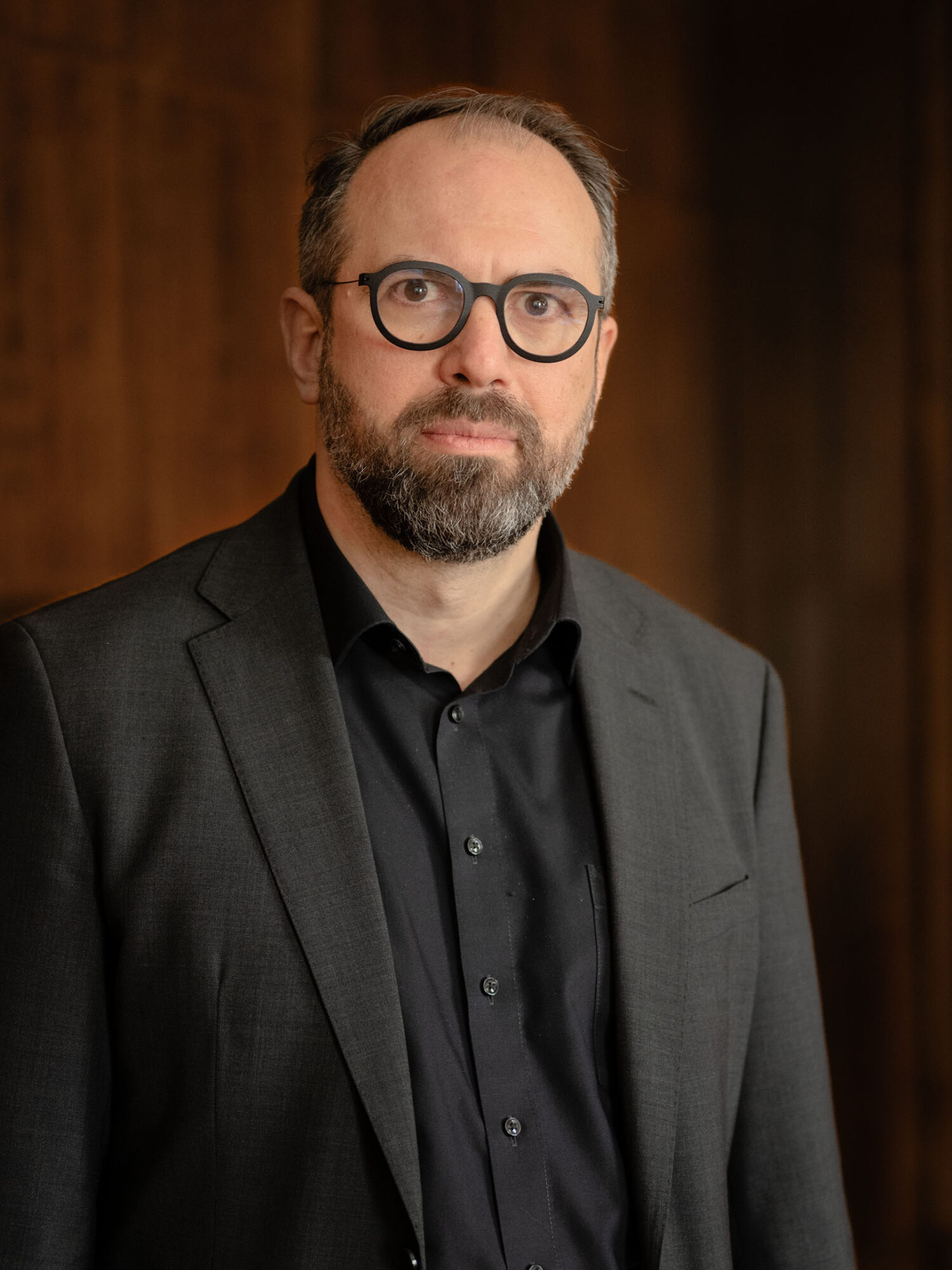
Photo: Michael Nagl
Uncertainty defines our present: the pandemic, the climate crisis, misinformation that undermines democracy, the transformation of the world of work by AI, and the growing willingness to resolve geopolitical conflicts through violence and war.
In light of the devastation of World War II and the paradigm shift brought about by the atomic age, Friedrich Kiesler conceived of “Magical Architecture,” an “architecture of exuberant being.”
Let’s take a cue from this. Let’s use the realm of art as a testing ground for utopias and optimism.
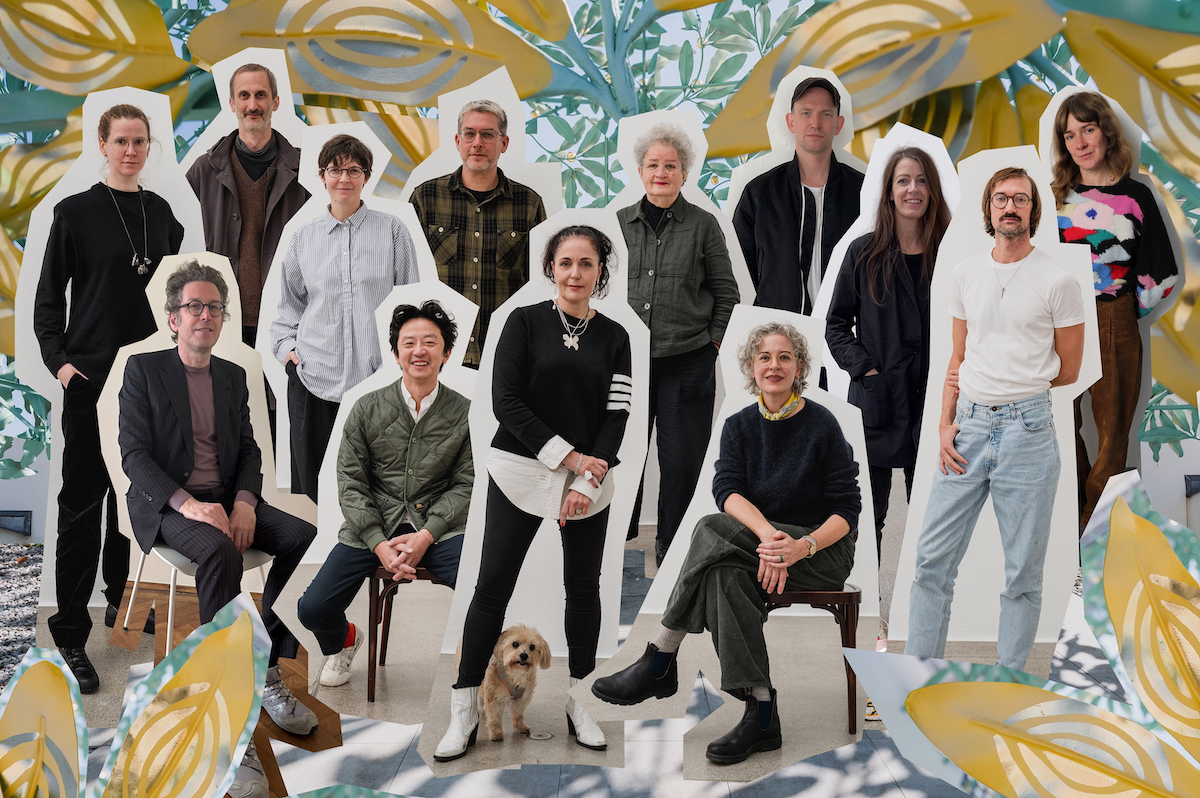
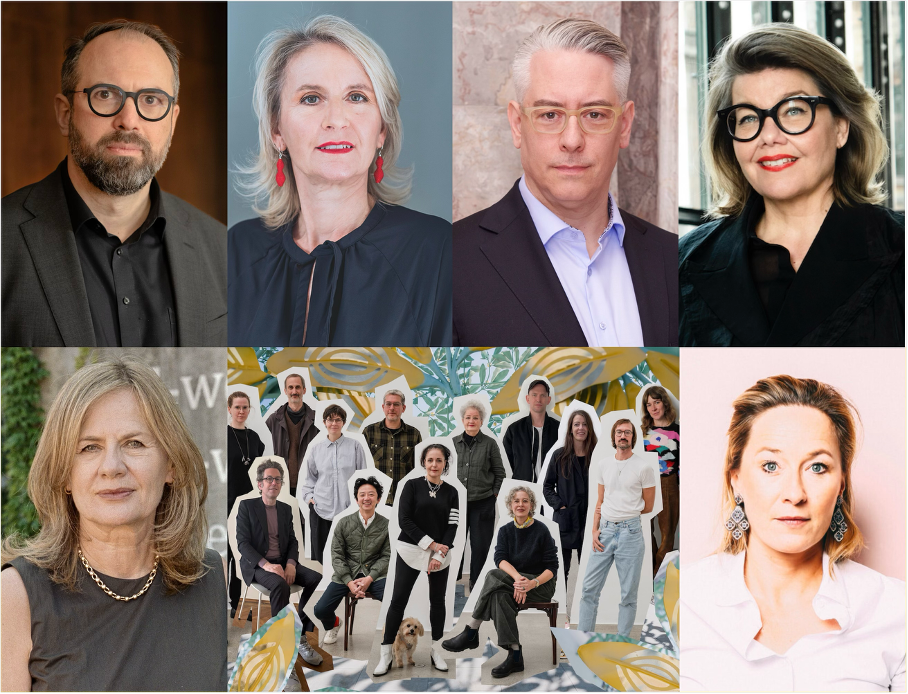
The board of the Association of Visual Artists Vienna Secession (from left to right): Sophie Thun, Wilfried Kühn, Michael Part, Barbara Kapusta, Jun Yang, Axel Stockburger, Ramesch Daha, Lisl Ponger, Ulrike Müller, Nick Oberthaler, Judith Fegerl, Philipp Fleischmann, Anne Witt. Photo: Natascha Unkart / Secession
Fear has long since become a political instrument. It creates simplified enemies, shapes public debate, and reinforces existing power structures.
Art resists such simplification. It embraces ambiguity and makes contradictions visible. It opens spaces in which new ways of perceiving and living together can be imagined.
Faced with increasingly complex realities and global challenges, we see it as our responsibility to engage with these cultural and socio-political issues through our programme.