A Conversation with Başak Şenova, the New Chief Curator of KunstHausWien
What can we expect from the KunstHausWien under its new chief curator? In an interview with Sabine B. Vogel, Başak Şenova offers insights into her curatorial plans, discusses environmental issues, Hundertwasser’s legacy, and the Viennese art scene.
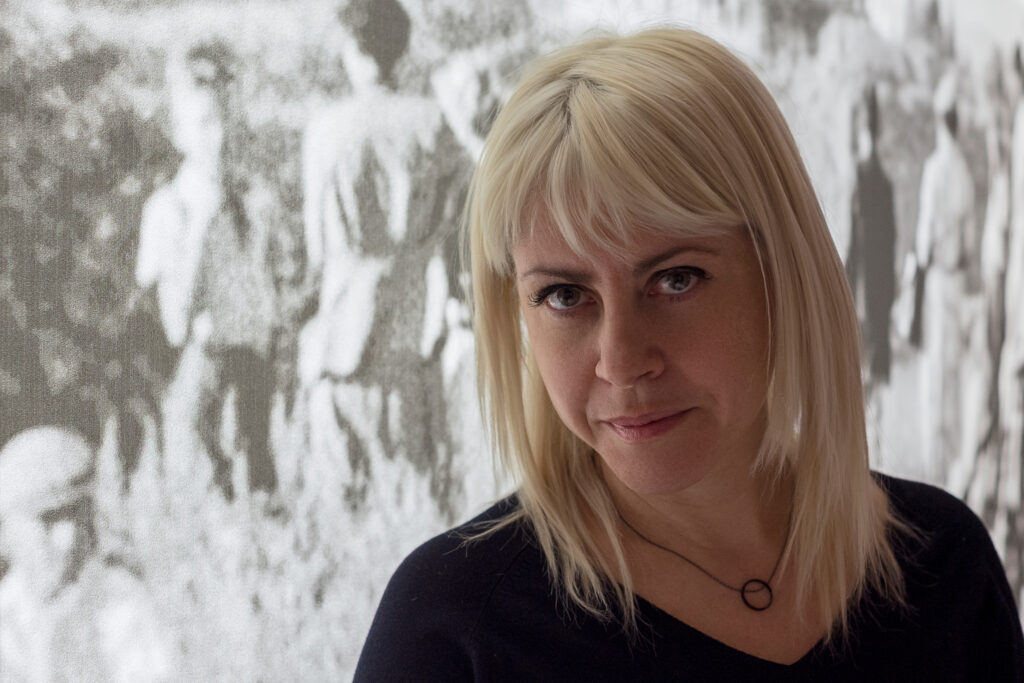
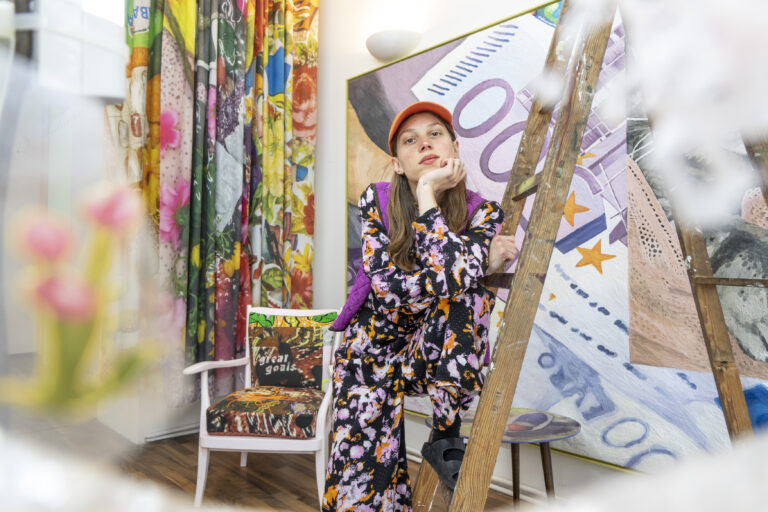
Başak Şenova Photo: Sergio Urbina
Effective August 1, 2026, KunstHausWien announced the appointment of its new chief curator: Başak Şenova. The choice fell on one of the most prominent, globally active curators of our time, who is particularly known for her research-based projects.
Born in Istanbul in 1970, Şenova first studied literature, then graphic design in Ankara, where she earned her doctorate; in 2002, she completed the Curatorial Training Program at Stichting de Appel in Amsterdam. After countless projects, she moved to Vienna in 2017 to “provide her daughter Maya with an environment in which she could fully realize her potential as an exceptionally talented pianist,” as she explains in an interview conducted partly in person and partly via email.
Shortly thereafter, Maya was accepted into the gifted program at the mdw (University of Music and Performing Arts Vienna), where she is currently studying.
But how did Başak fare with the move from Istanbul to Vienna? Was it a difficult transition?
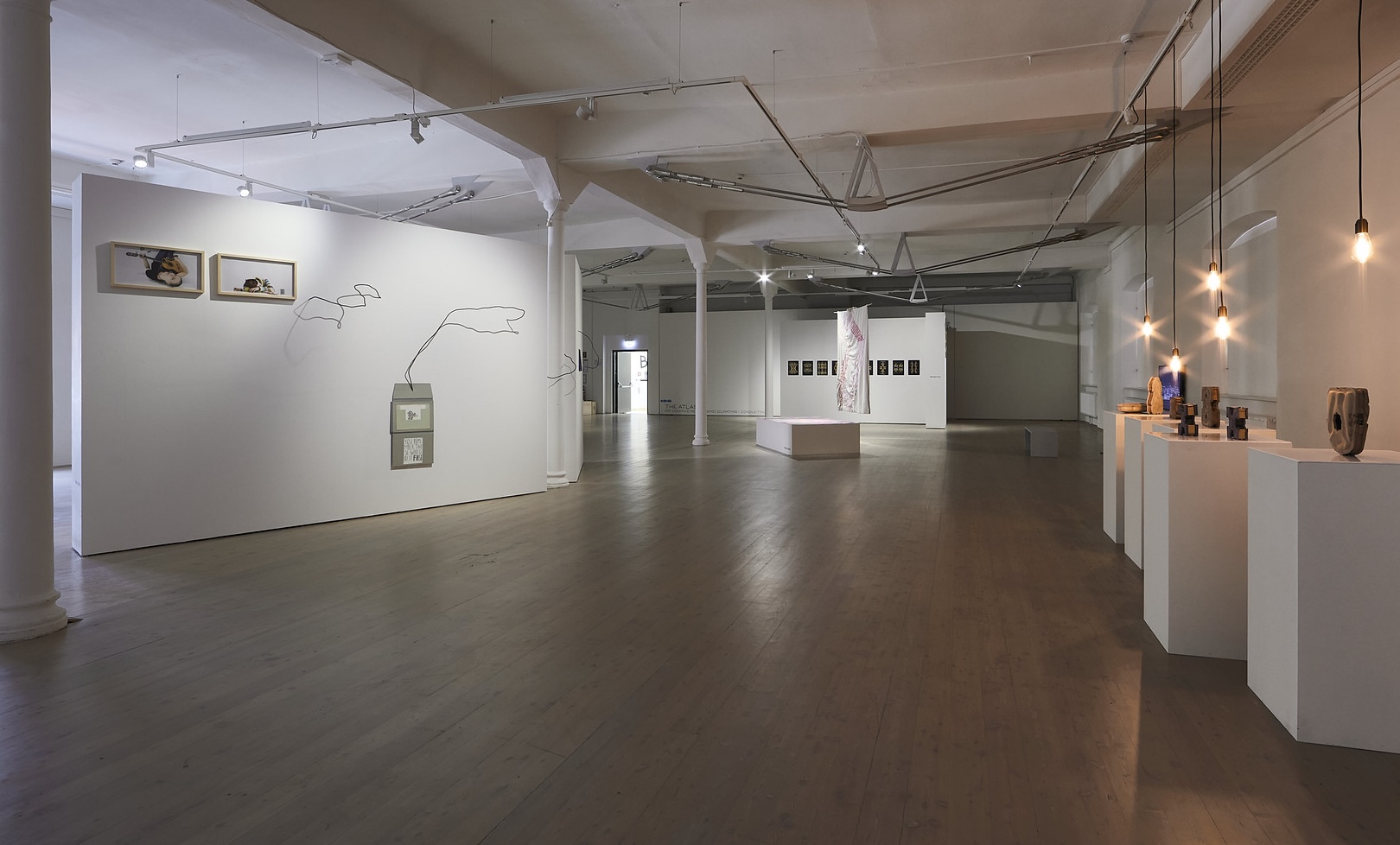
Başak Şenova (BS): It was a big change, but not a difficult transition. I’ve moved around a lot in my life, and I really like Vienna. I brought with me a project called CrossSections, which I launched in Finland in 2017—a research- and process-oriented platform involving 19 artists and 9 partner institutions.
Sabine B. Vogel (SBV): Were you able to present it in Vienna?
BS: Yes, at the Kunsthalle Exnergasse, where we continued to develop the project over the course of three years. Afterward, I was invited by Barbara Putz-Plecko, then Vice Rector of the University of Applied Arts Vienna, to a residency at the university. Later, I served as a visiting professor there and directed the Octopus program.
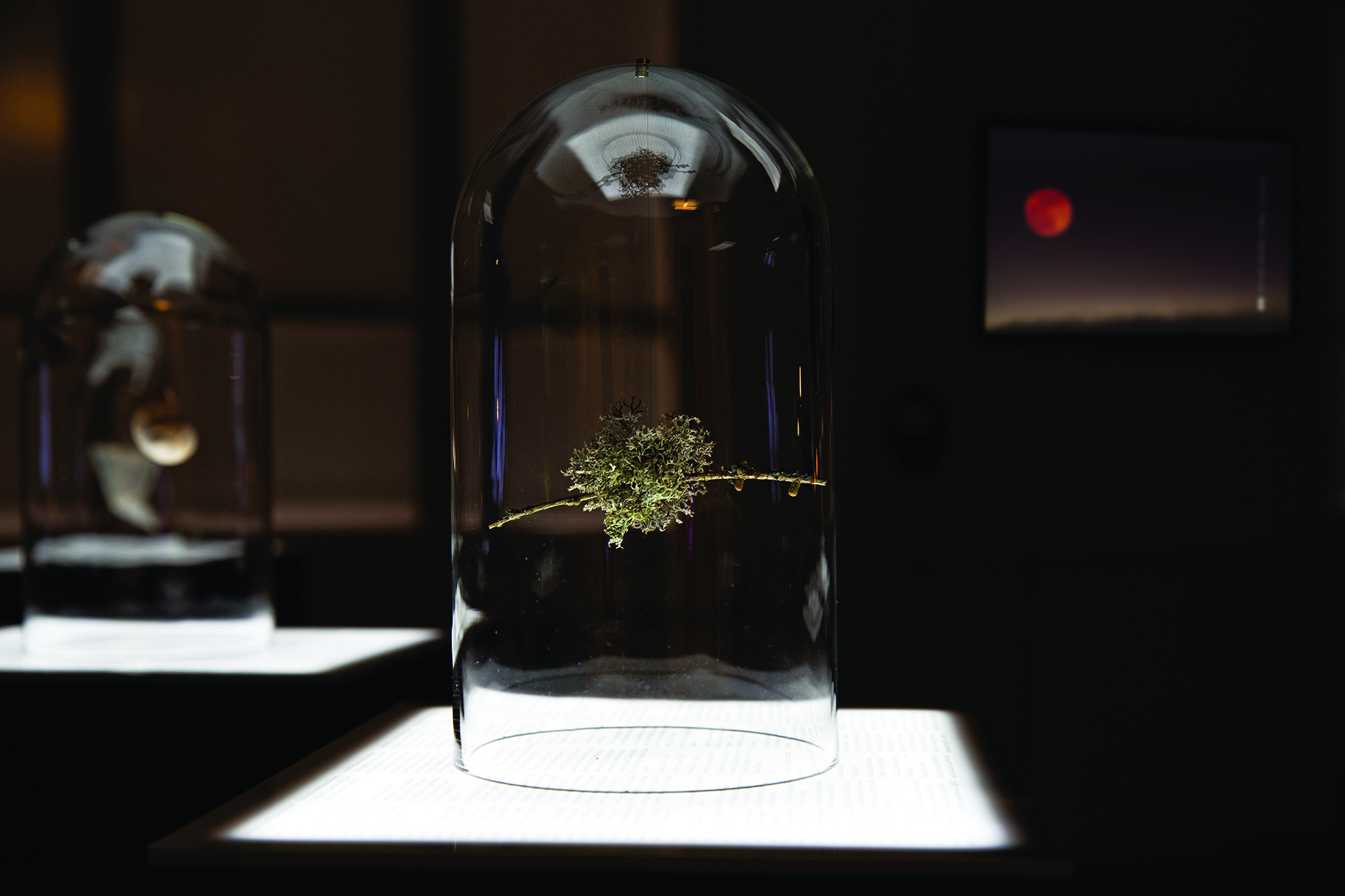
Subsequently, I received an FWF-PEEK grant for The Atlas (of Creative Mechanisms): Curating–Conducting, a comparative study of curators and conductors, which I have been leading since 2022. I will conclude the research with a book scheduled for publication in March 2027.
As project director of the Africa-UniNet project Thinking Soil & Water, I will remain affiliated with the university as a research fellow until September 2028 and will establish a connection between this research initiative and the KunstHausWien.
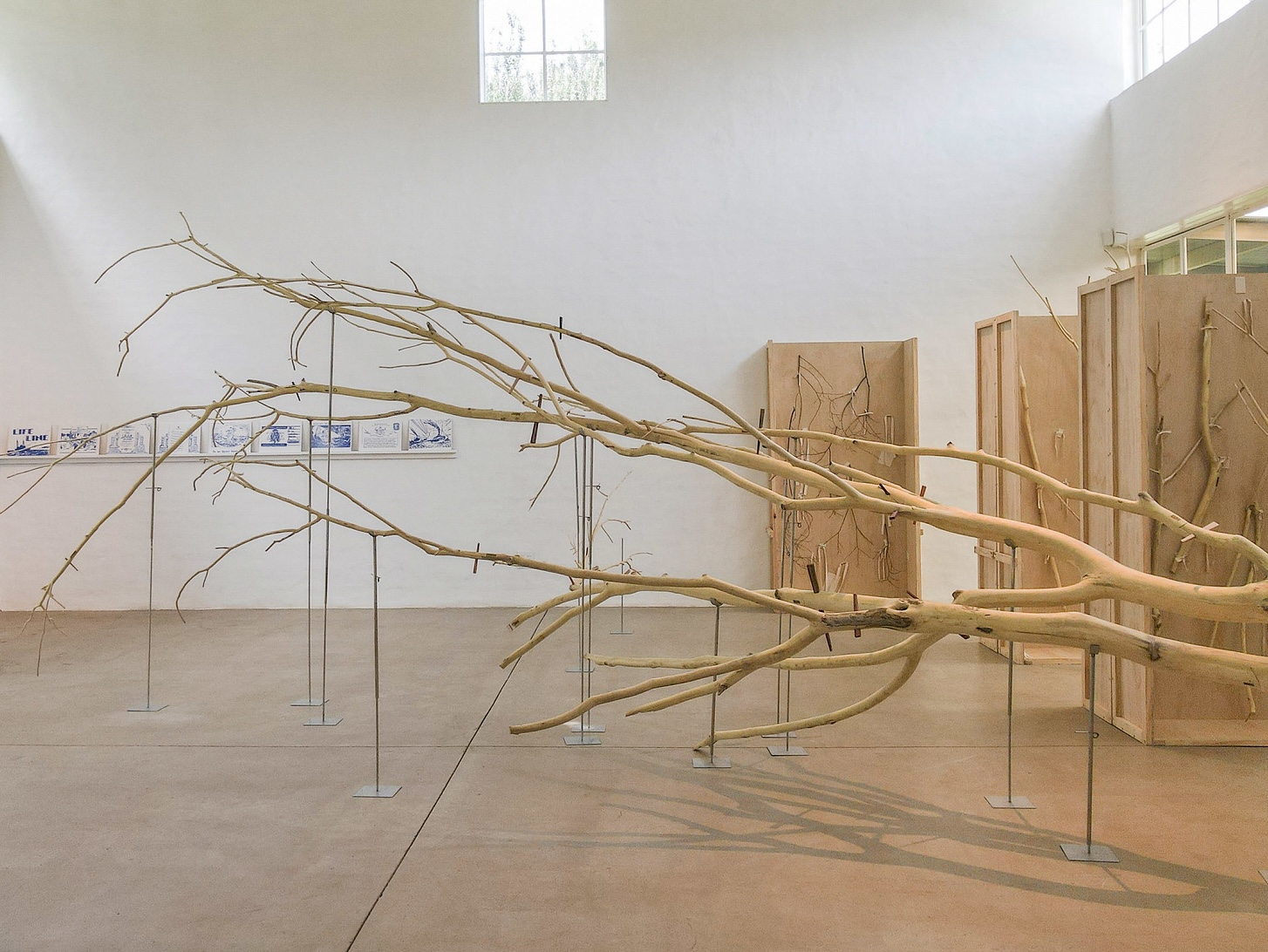
SBV: How were you able to complete so many demanding projects in such a short time?
BS: (laughs) I generally work a lot, yes. But from the last quarter of 2022 through 2023, I went through an extremely difficult time. During the pandemic, I lost one of my closest friends. Then, in 2023, my sister—with whom I had a very close relationship—passed away, and just 40 days later, my mother did as well. Continuing to work and create during that time was a form of therapy for me.
SBV: Has life here changed your curatorial focus?
BS: Of course, every change, every challenge, every joy, and every pain has shifted our priorities and perspectives. But Vienna offers me a stable and secure environment where I can continue to be productive while remaining closely connected to Turkey and the international network I’ve built over the years.
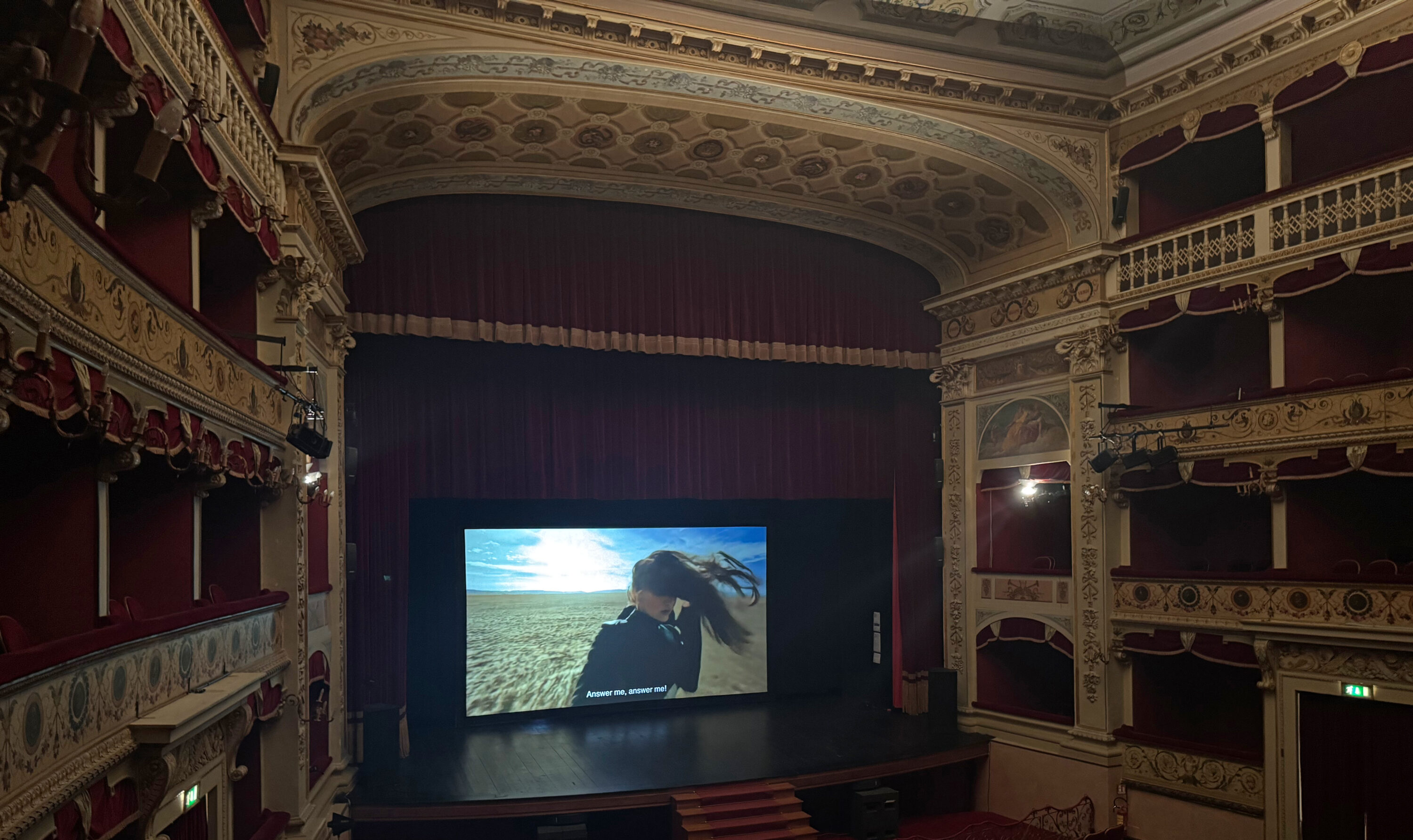
Mirror Project: Agrigento Capitale Italiana della Cultura 2025. Featuring "Mother Water. You kept silent, yet the knowledge is mine", (2024) by Almagul Menlibeyeva, Teatro Pirandello, Agrigento, 2025. Photo: Maya Muratoglu
SBV: How do you view the art scene in Vienna?
BS: I find the Viennese art scene to be extraordinarily diverse and rich, with a wide range of institutions, galleries, artist-run initiatives, off-spaces, communities, and individuals. At the same time, I feel that these different parts of the ecosystem are still fragmented and not sufficiently connected to one another, with only limited exchange when it comes to communication, personal relationships, knowledge, and information.
SBV: Have you learned German since you’ve been in Vienna?
BS: I’ve completed the B1 level, but I still need more practice to improve my spoken German. When you’re involved in so many projects, it’s naturally also a matter of time. Most of my projects are international, and at the university I speak English all day. Now, however, the KunstHausWien is a German-speaking environment, so I’m gradually making progress.
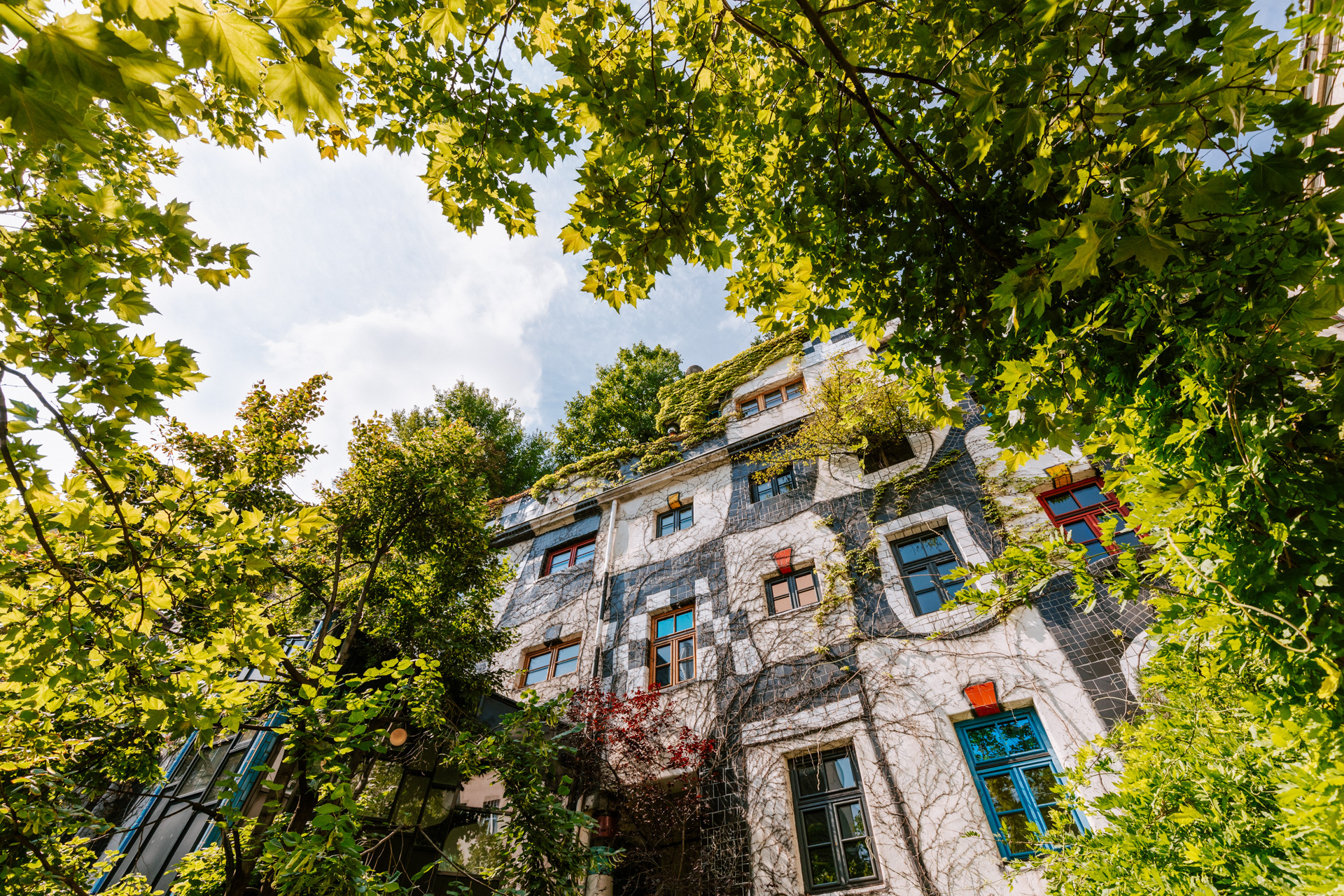
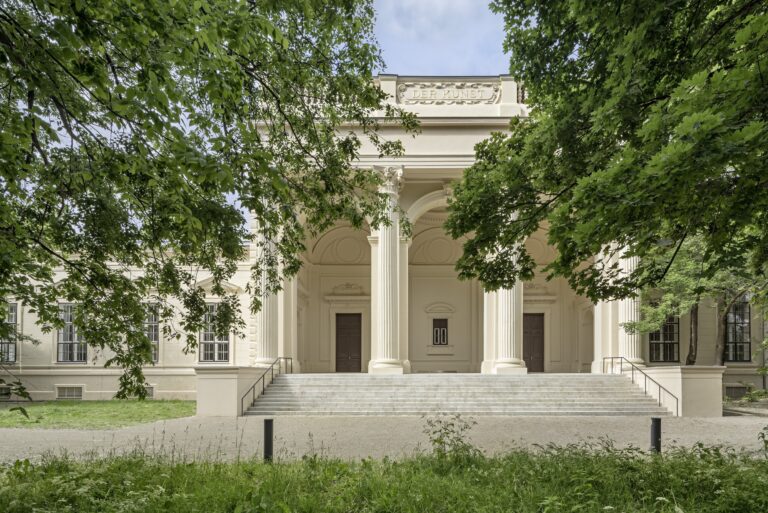
Exterior facade of KunstHausWien. Photo: Paul Bauer
SBV: Why are you interested in curating for the KunstHausWien?
BS: The KunstHausWien occupies a unique position. It is one of the few museums worldwide where contemporary art and ecological thinking are central areas of exploration. By approaching ecological issues with both urgency and appreciation, I aim to move beyond the prevailing narratives shaped by crises. I want to draw attention not only to what is at risk, but also to what we value and therefore wish to preserve, maintain, and protect for future generations. The KunstHausWien offers me the opportunity to further develop this approach.
Second, the team is very important to me. Even during the first round of interviews, I had the feeling that this is a place where I can truly flourish. What particularly impressed me from the start was the respect that Director Gerlinde Riedl shows for curatorial experience, research, and practice, and the trust she places in the role and professional judgment of each individual team member. At the same time, she provides the strong substantive and administrative support needed to turn ideas into reality. For me, that’s an ideal balance.
The team also immediately gave me a strong sense of a truly supportive environment. There is a culture of dialogue, ongoing communication, sharing information, and valuing each person’s perspective.
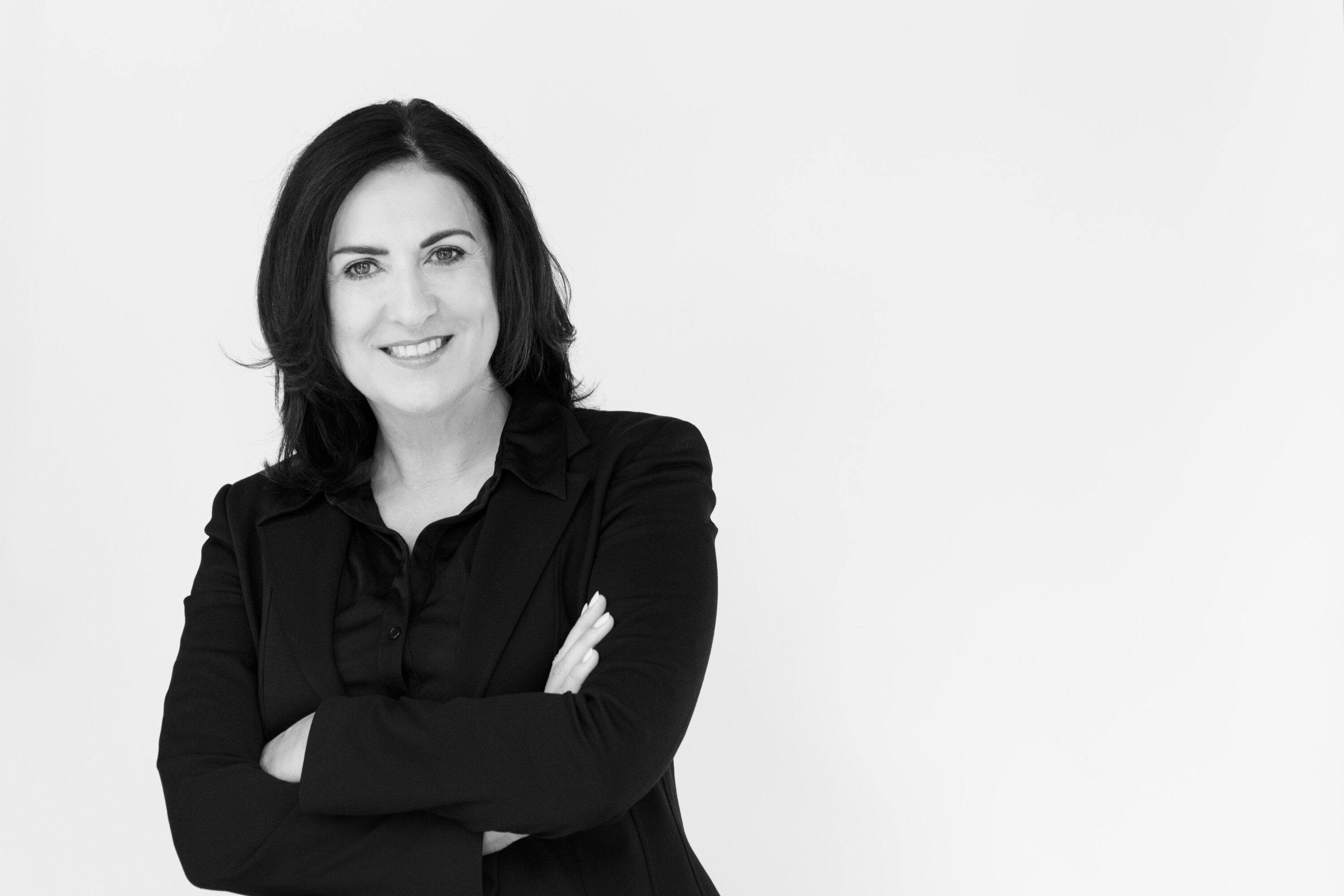
Gerlinde Riedl, director of KunstHausWien. © Sabine Hauswirth
SBV: Are you also interested in Hundertwasser’s work, which is on permanent display there?
BS: My background is in graphic design, so I’ve always been particularly interested in those aspects of Hundertwasser’s artistic practice that overlap with that field. Furthermore, the KunstHausWien is housed in a building that he designed in a truly unique way.
For me, curating an exhibition is primarily about shaping the audience’s perception. That’s why the exhibition space itself is always central to my curatorial thinking and shapes the final result.
On another level, I’m particularly interested in the possibility of forging stronger connections between Hundertwasser’s legacy and the KunstHausWien’s temporary program. My goal is not to position him exclusively as a historical figure or as the subject of a permanent museum exhibition, but rather to show how his ideas continue to resonate in contemporary artistic practice. With my program, I aim to trace these connections within today’s ecological, cultural, and social realities.
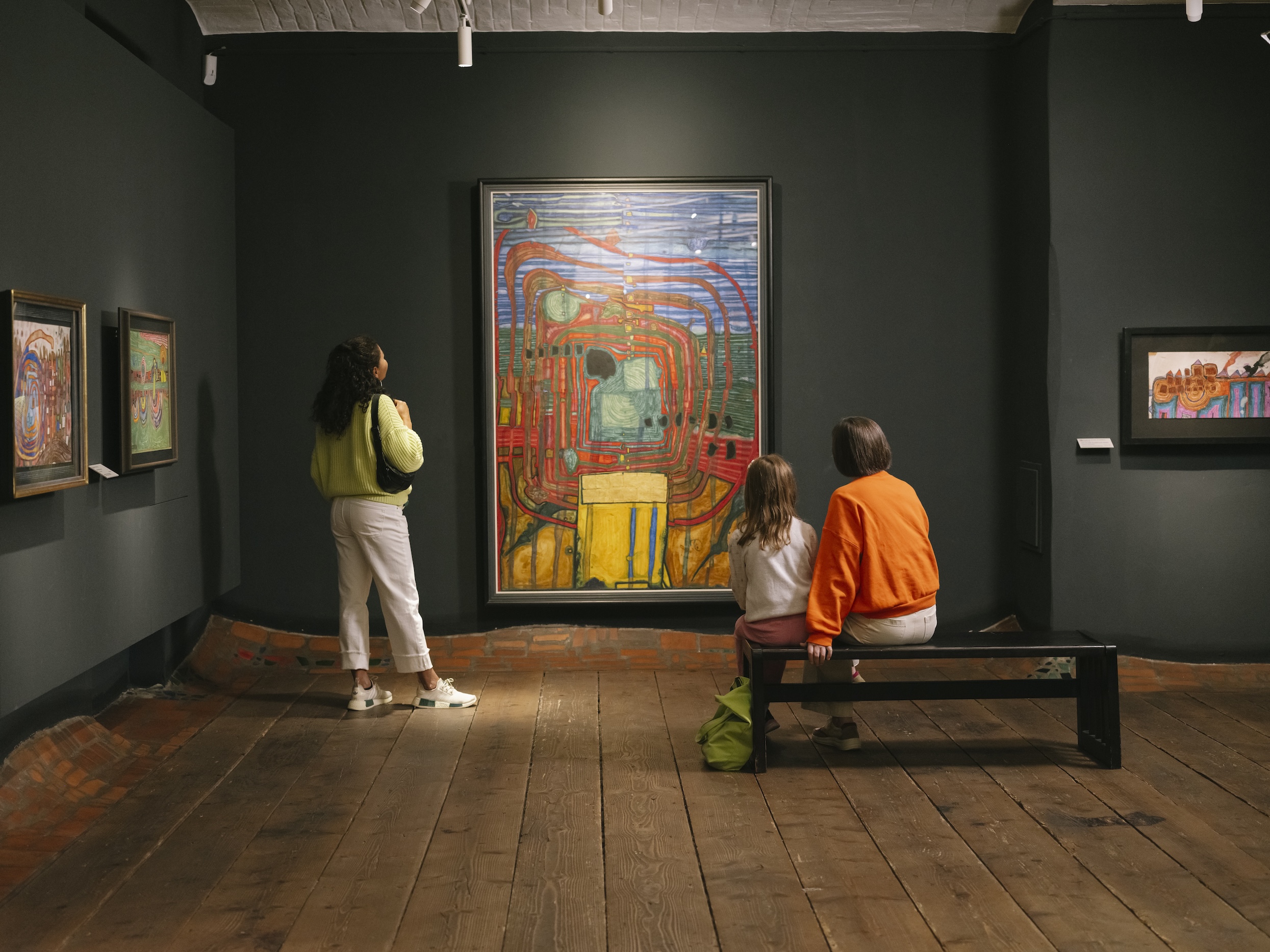
KunstHausWien. Museum Hundertwasser. Photo: Mafalda Rakoš
SBV: Will you have a lot of creative freedom, or will you focus mainly on photography?
BS: Under the direction of Gerlinde Riedl, the museum has evolved from a program focused on photography to one that showcases a wide range of artistic media—a development I strongly support.
At the same time, I have a particular interest in lens-based artistic production, so the program will certainly continue to include photography and other lens-based works alongside other formats and media.
One of the new additions to my program, for example, is a film room that will be dedicated to artists’ films at the museum. I would like to present a variety of different formats and media and draw on connecting elements that ensure a continuous flow throughout the entire KunstHausWien.
SBV: Thank you for the interview!
More information about KunstHausWien. Museum Hundertwasser: