Cevdet Erek, Mimi Ọnụọha, Duane Linklater – Knowledge Is Being Created at the Vienna Secession
How this is done, and how knowledge is passed on, are the subjects of the three current exhibitions at the association of visual artists near Naschmarkt. A text by Sabine B. Vogel.

Mimi Ọnụọha, „no one told me“, 2025, Exhibition view „Soft Zeros“, Secession 2025. Photo: Sophie Pölzl
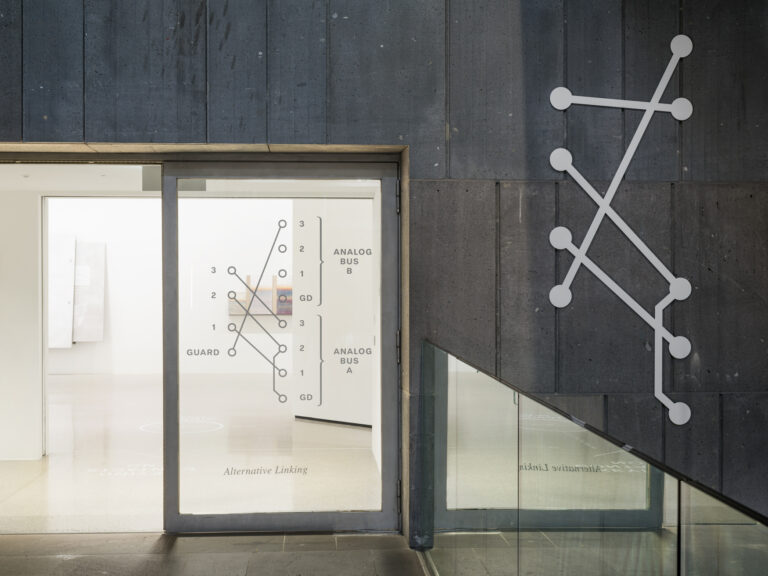
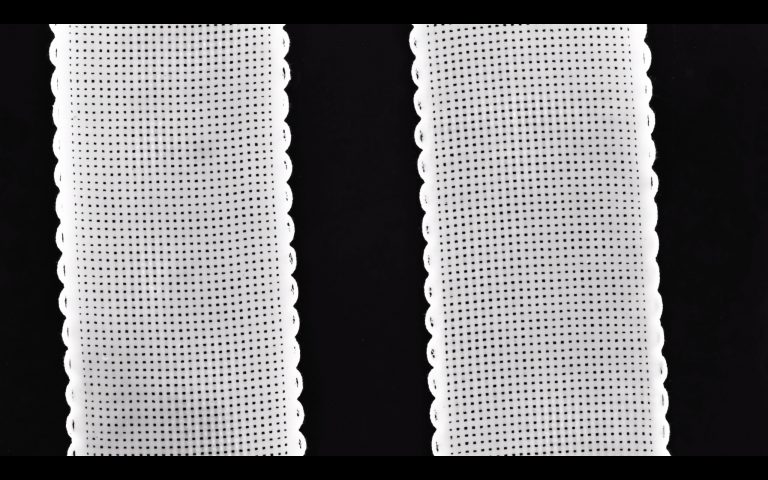
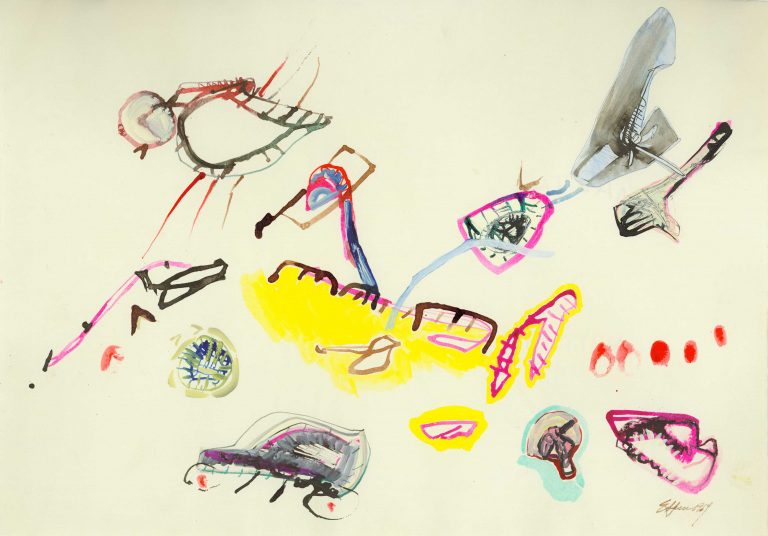
L and R are written in large letters on the exterior façade of the Secession. Next to them hang thick loudspeakers from which sound emanates. The tones follow a repetitive pattern with which he responded to the ornamentation of the Art Nouveau building, explains Cevdet Erek during the press tour. The letters stand for left and right, which is a “play on symmetries.” Upstairs in the Graphic Cabinet, the artist, born in Istanbul in 1974, appeals to our sense of touch on the walls; the wooden objects are based on Braille.

Cevdet Erek, Sound Ornamentation, Exhibition view, Secession 2025. Photo: Oliver Ottenschläger
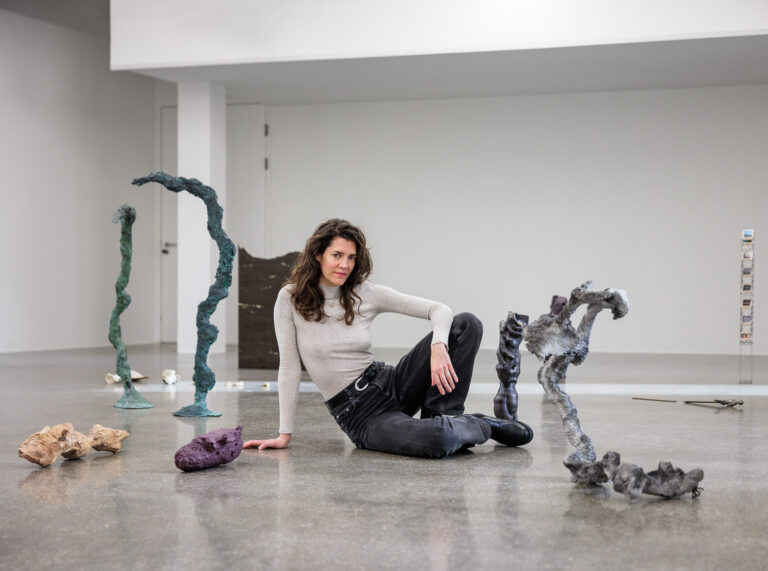
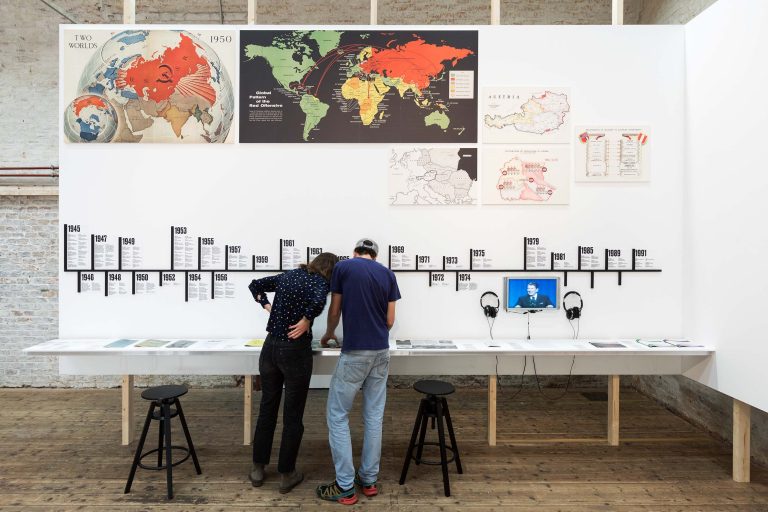
It is one of three very different exhibitions that nevertheless share a common theme, as Secession President Ramesch Daha emphasizes: “How is knowledge created, how is it passed on?” While Erek answers this question with auditory and tactile experiences, Mimi Ọnụọha addresses “soft zeros” in the Lower Gallery—values that are interpreted as absence or inactivity. For the Black artist, who was born in Italy in 1989 and lives in New York, it is a metaphor for power and invisibility in data systems, we read in the press release. It illustrates how emptiness is created politically.
Ọnụọha gives us a very concrete example of this: in the Lower Gallery, she pulls in several barrier tapes. On them we read “No one told me” or “It isn’t my fault” – phrases that people use to deny complicity, as it were. The tape creates an eerie atmosphere, as if it were a crime scene – which is intentional. As discussed in her video, her contribution refers to “Sugar Lands 95”: in 2018, 95 bodies of African Americans who had been used for forced labor at the end of the 19th and beginning of the 20th centuries were found on the grounds of a former prison farm in Texas.

Mimi Ọnụọha: front: "no one told me", 2025, back: "everything you bury will come back up again", 2025. Exhibition view "Soft Zeros", Secession 2025. Photo: Sophie Pölzl
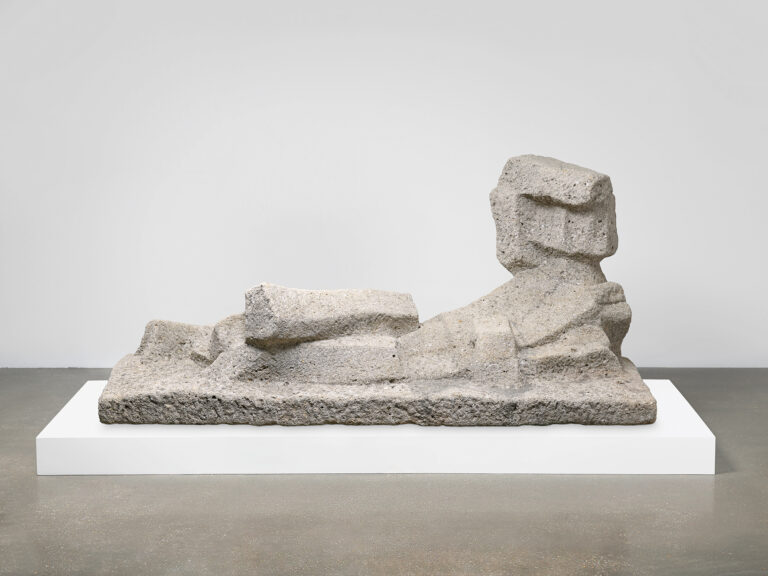
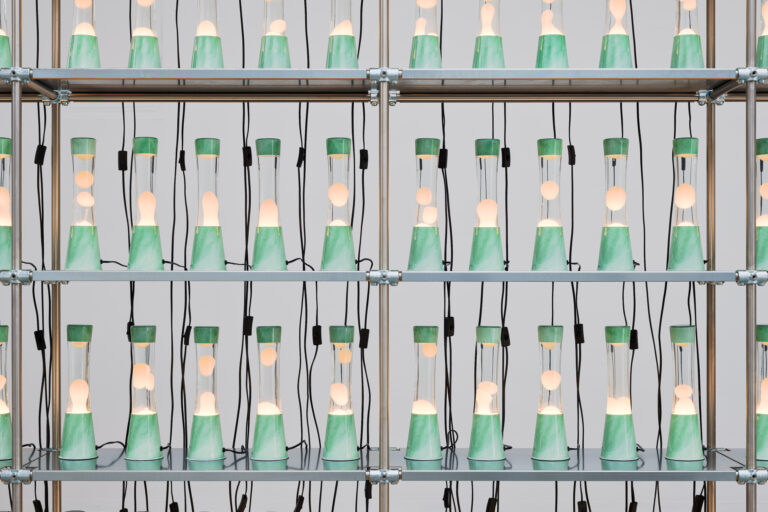
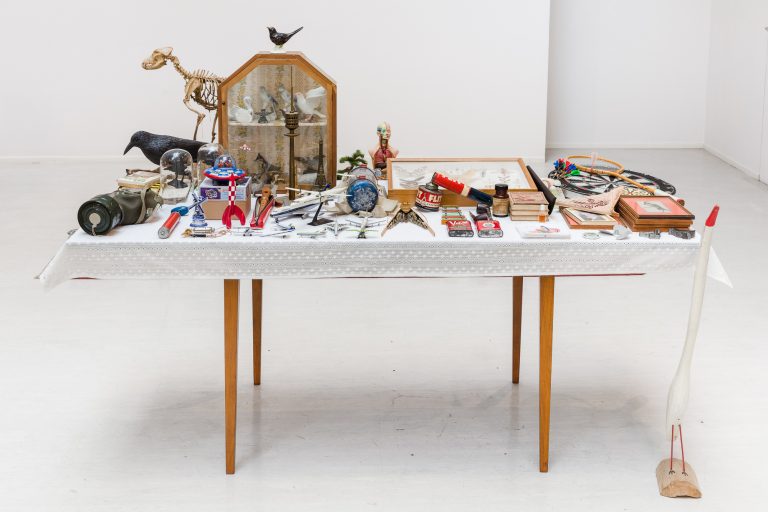
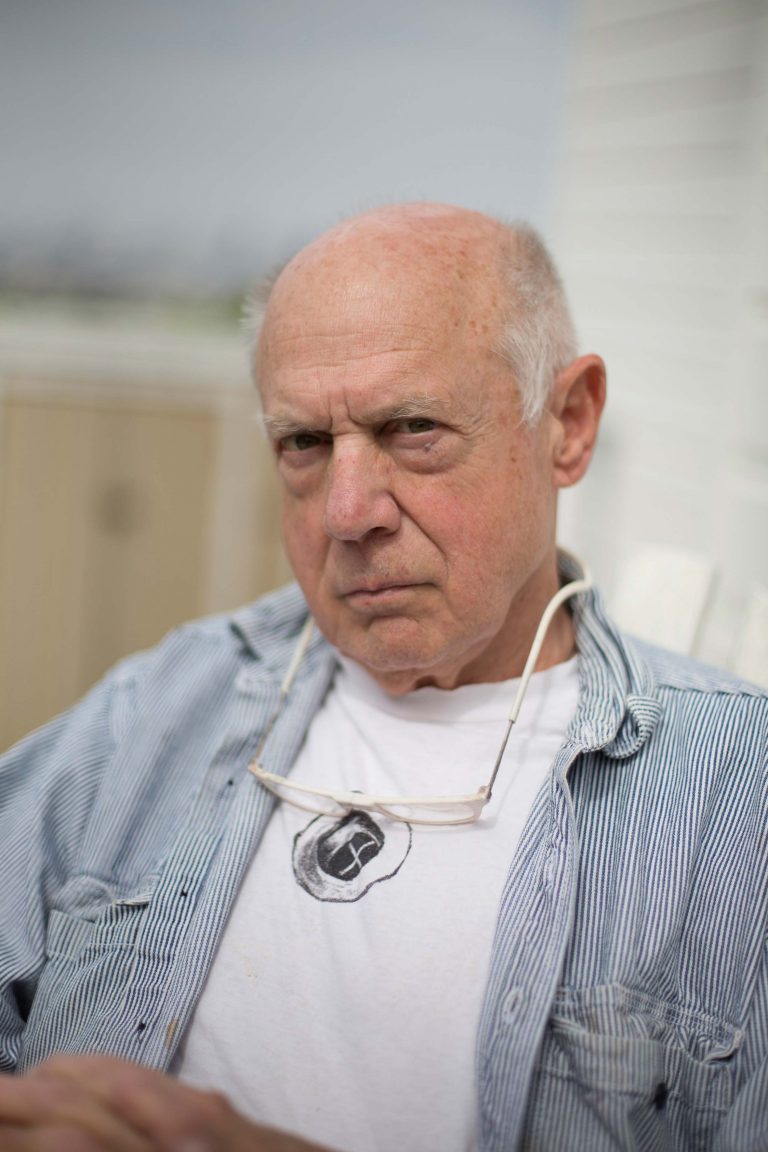
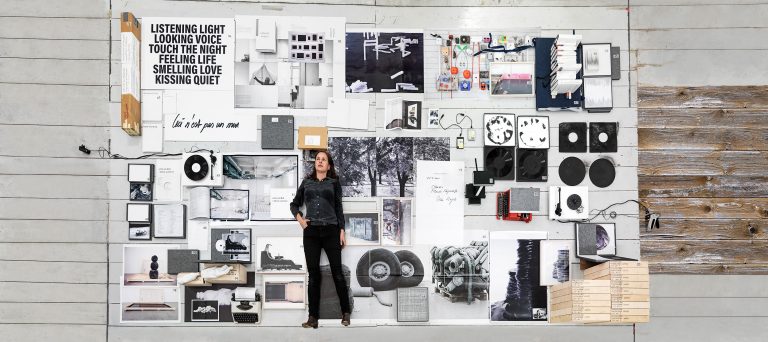
Duane Linklater’s contribution in the main room is similarly reference-intensive, but strictly autobiographical. Here, the theme of knowledge is explored by questioning museum conventions. Born in Canada in 1976, Linklater shows us some of the “storage practices inherited from his ancestors.” Does this refer to the steel scaffolding in which seemingly insignificant everyday objects are placed? Or the blankets over the loudspeakers?
In principle, this approach of developing a unique presentation system that is not derived from our Western art canon is a magnificent and urgently needed one—those who use well-trodden paths will never reach new places. However, Linklater’s scaffolding is by no means new, even if it is an interesting approach to avoiding institutional walls—after all, some of his color-on-canvas creations were hung precisely there. And is it enough to transfer the family archive to a Viennese art institution to create a “connection” between the museum—which the Secession is not, anyway—and “its colonial downside”? In the middle of the room stands a huge bird, a crane, as we learn—a typical First Nation symbol that watches over everything. For Linklater is Omaskeko Ininiwak of the Moose Cree First Nation—does this change our reading of the exhibition, does the knowledge of his origins lead to a reassessment of the question “Who conveys what, who speaks?”
Linklater is one of the stars of the indigenous art market. In his magnificent contribution to the Sao Paulo Biennial and his impressive solo exhibition at MCA Chicago, he worked with cloths and sculptures that addressed these questions in their formal language. At the Secession, everything is cryptic; even titles such as “Ghost of Xmas Future” or “never eat shredded wheat” do not shed any light on the meaning. He himself does not want to provide any information—but how can other voices be heard if it can only be based on speculation?

Duane Linklater, "mâcistan". Exhibition view, Secession 2025. Courtesy of the artist, Catriona Jeffries Vancouver, kurimanzutto. Photo: Iris Ranzinger.