Rebel & avant-gardist, but also a market-savvy artist – Gustave Courbet at the Leopold Museum
"A wealth of magnificent painting to study” is offered by the impressive solo exhibition at the MuseumsQuartier. A text by Sabine B. Vogel.
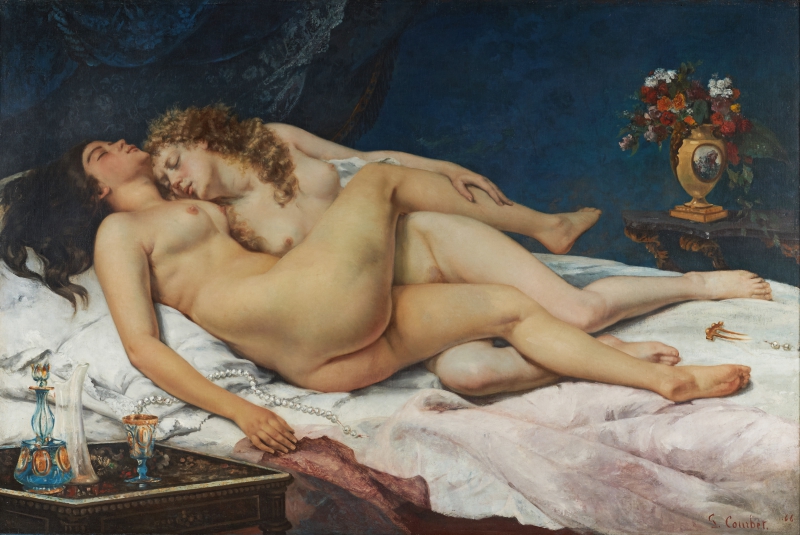
Gustave Courbet, The Sleepers, 1866 © Petit Palais, musée des Beaux-Arts de la Ville de Paris, Photo: Paris Musées/Petit Palais, musée des Beaux-Arts de la Ville de Paris
During his time, he was considered an enfant terrible; today, he is celebrated as a rebel and avant-gardist, a pioneer of Impressionism, Realism, and even Modernism: Gustave Courbet. Now, the Leopold Museum in Vienna is dedicating an impressive solo exhibition to the artist, who was born in 1819 in a small town in eastern France to affluent parents.
Preparations by the team under director Hans-Peter Wipplinger, together with guest curator Niklaus Manuel Güdel, took around six years. Now an impressive 128 works, including 87 paintings, are on view in Vienna – a tremendous achievement and a wonderful opportunity to study such a wealth of magnificent painting. Courbet layered several coats of paint on top of one another and scraped off individual passages with a palette knife. He opposed the romanticising fashion of his time with a realistic, unidealised mode of representation. To this day, he is regarded as one of the truly great painters.
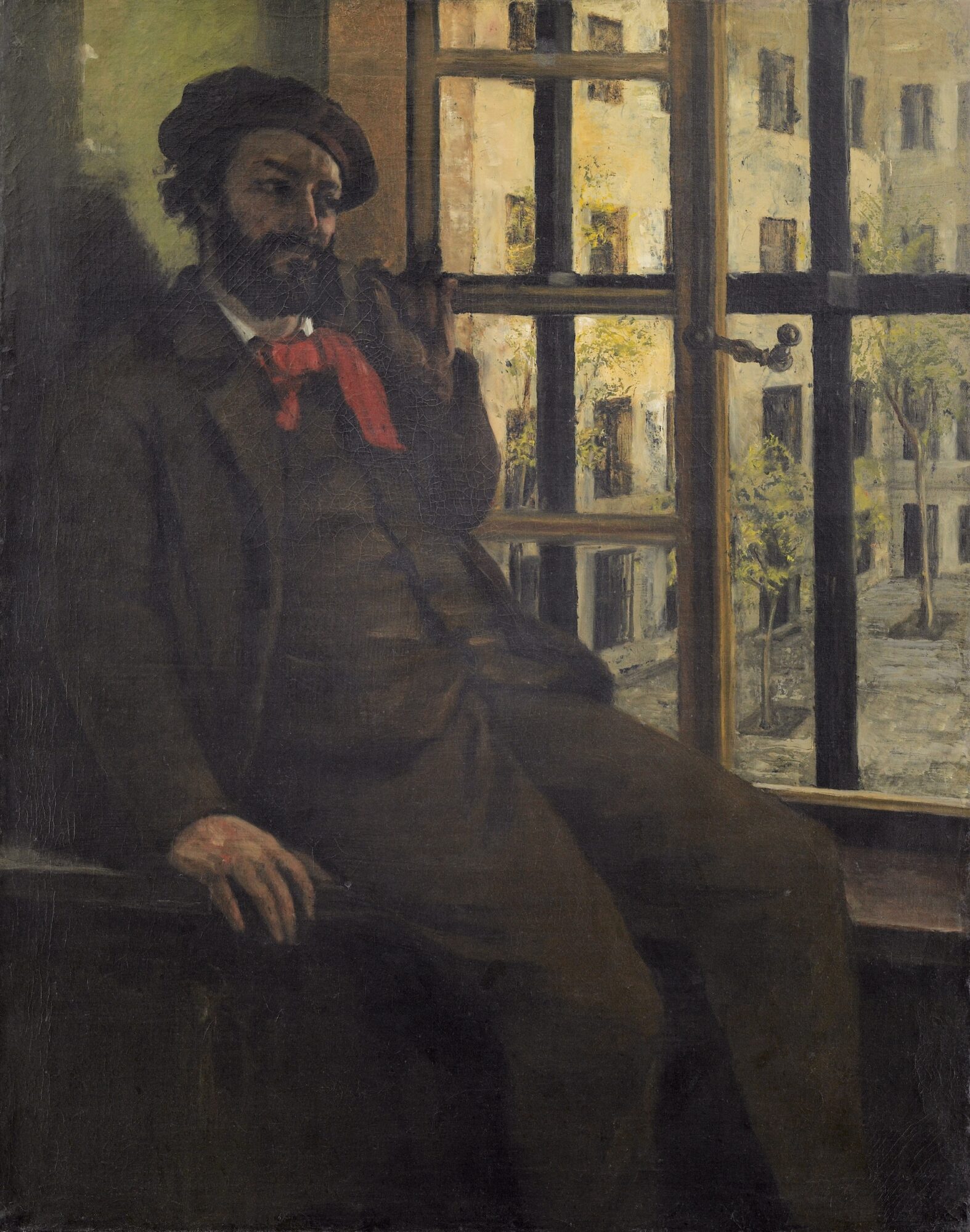
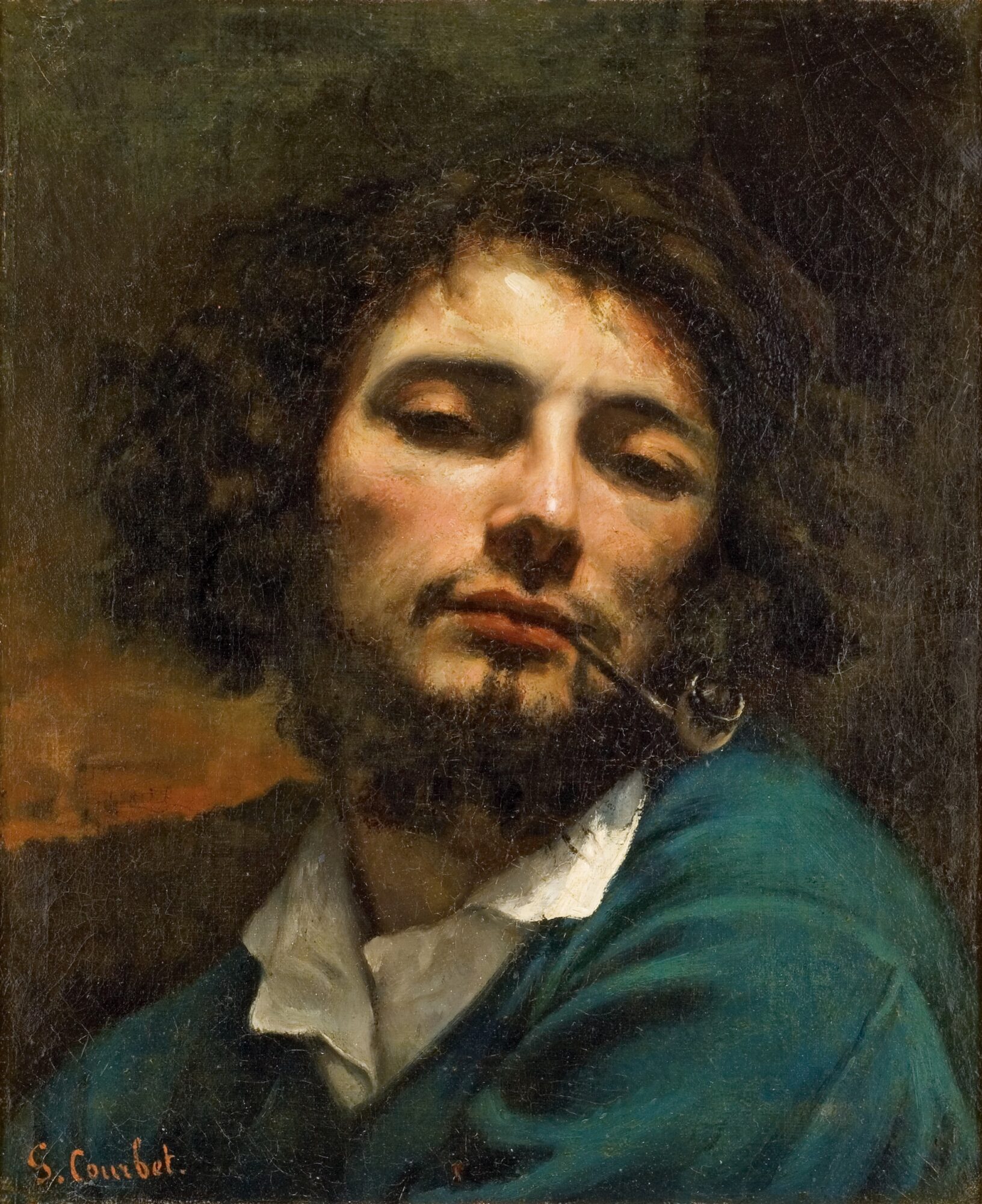
GUSTAVE COURBET, Self-Portrait in Sainte-Pélagie, 1872 © Musée départemental Gustave Courbet, Ornans | Photo: Musée départemental Gustave Courbet/Pierre Guenat
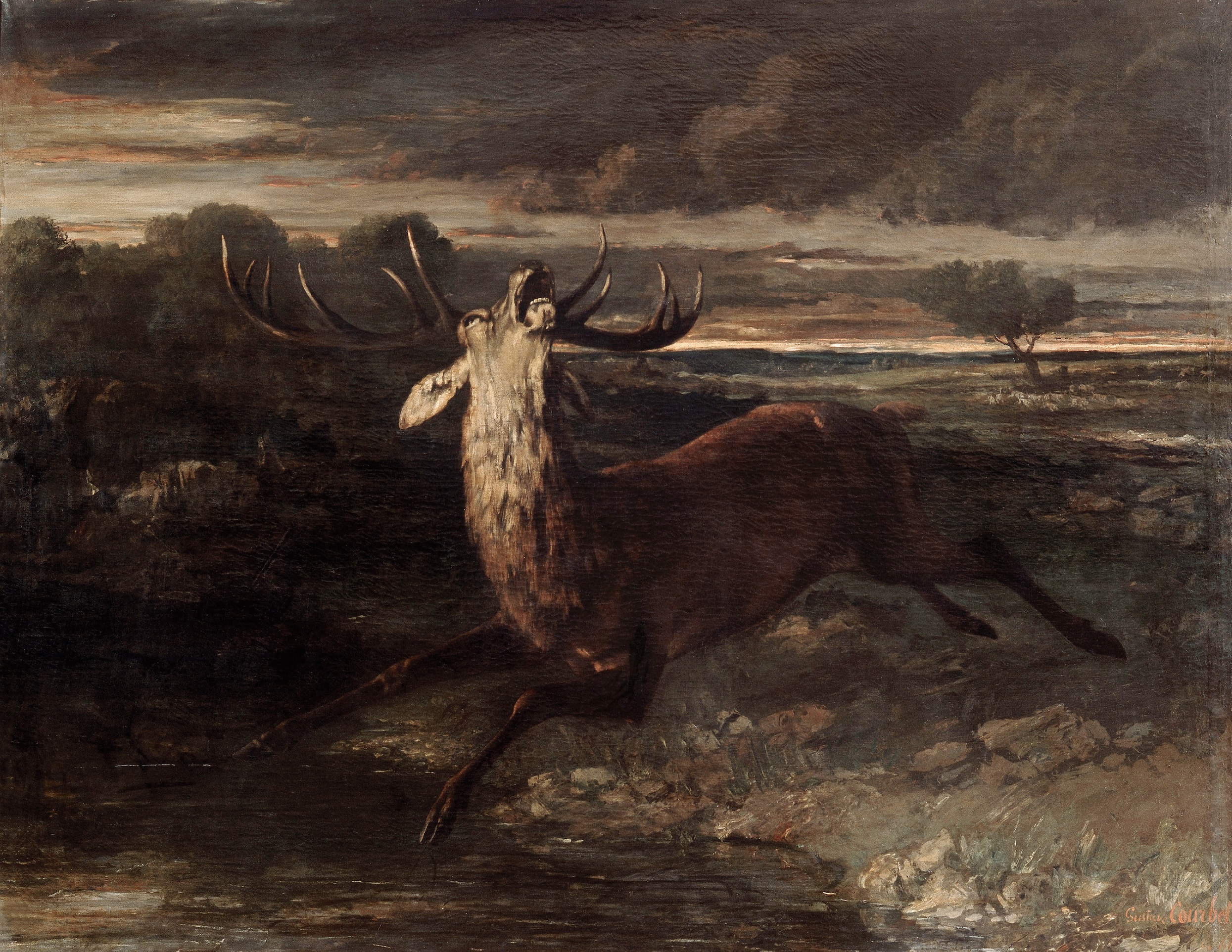
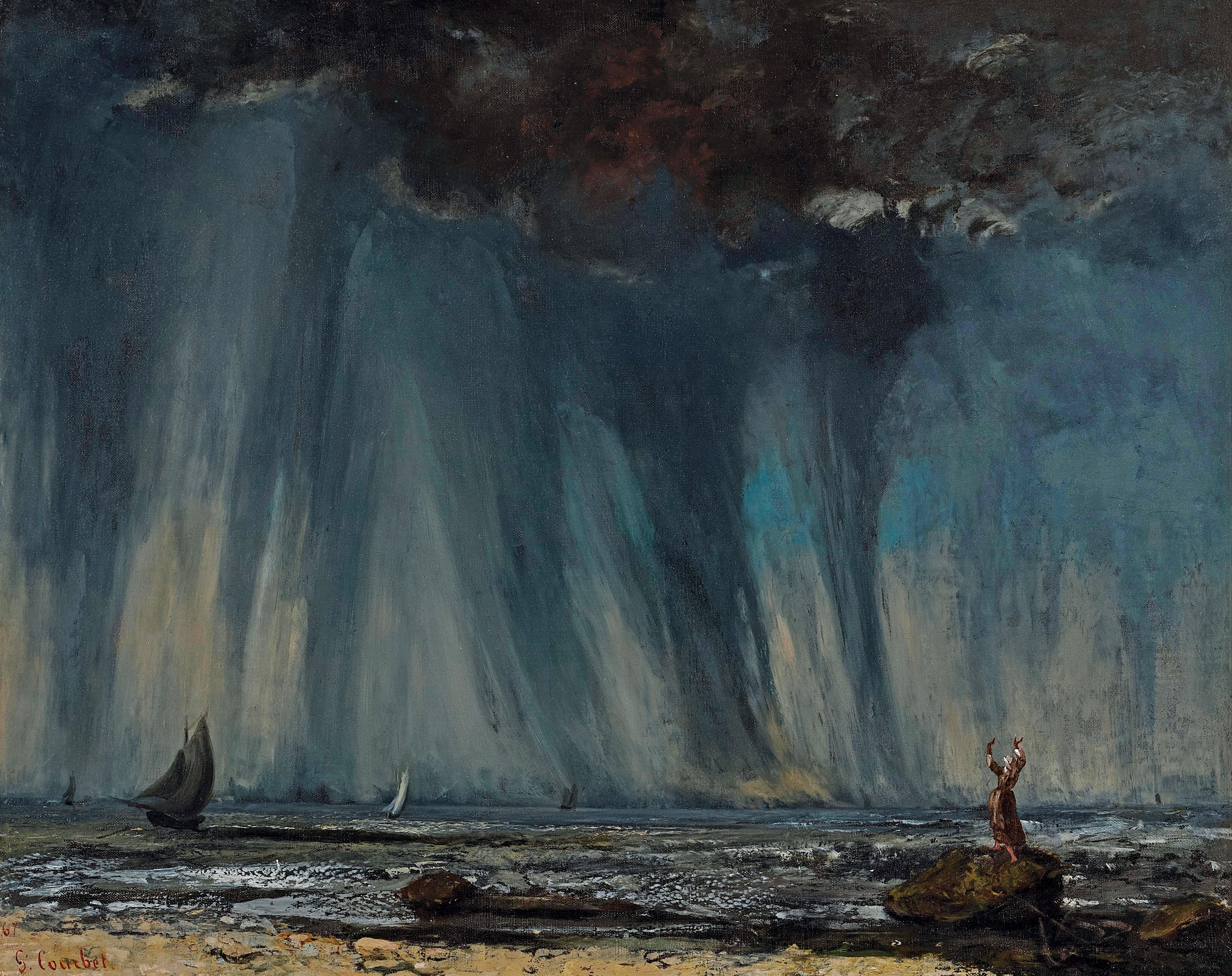
However, the focus of the Vienna exhibition is on the subject matter of the works. The pieces are grouped thematically: seascapes, hunting scenes, portraits, and nude depictions. Courbet’s perhaps most famous work, L’Origine du Monde (1866), is also on display. With The Origin of the World, Courbet titled this close-up, detailed view of the female anatomy. Originally created for the Turkish diplomat Khalil Bey, it was soon sold and later acquired in the 20th century by the psychoanalyst Jacques Lacan. Today, this small masterpiece belongs to the collection of the Musée d’Orsay in Paris, the most important lender to the Vienna exhibition.
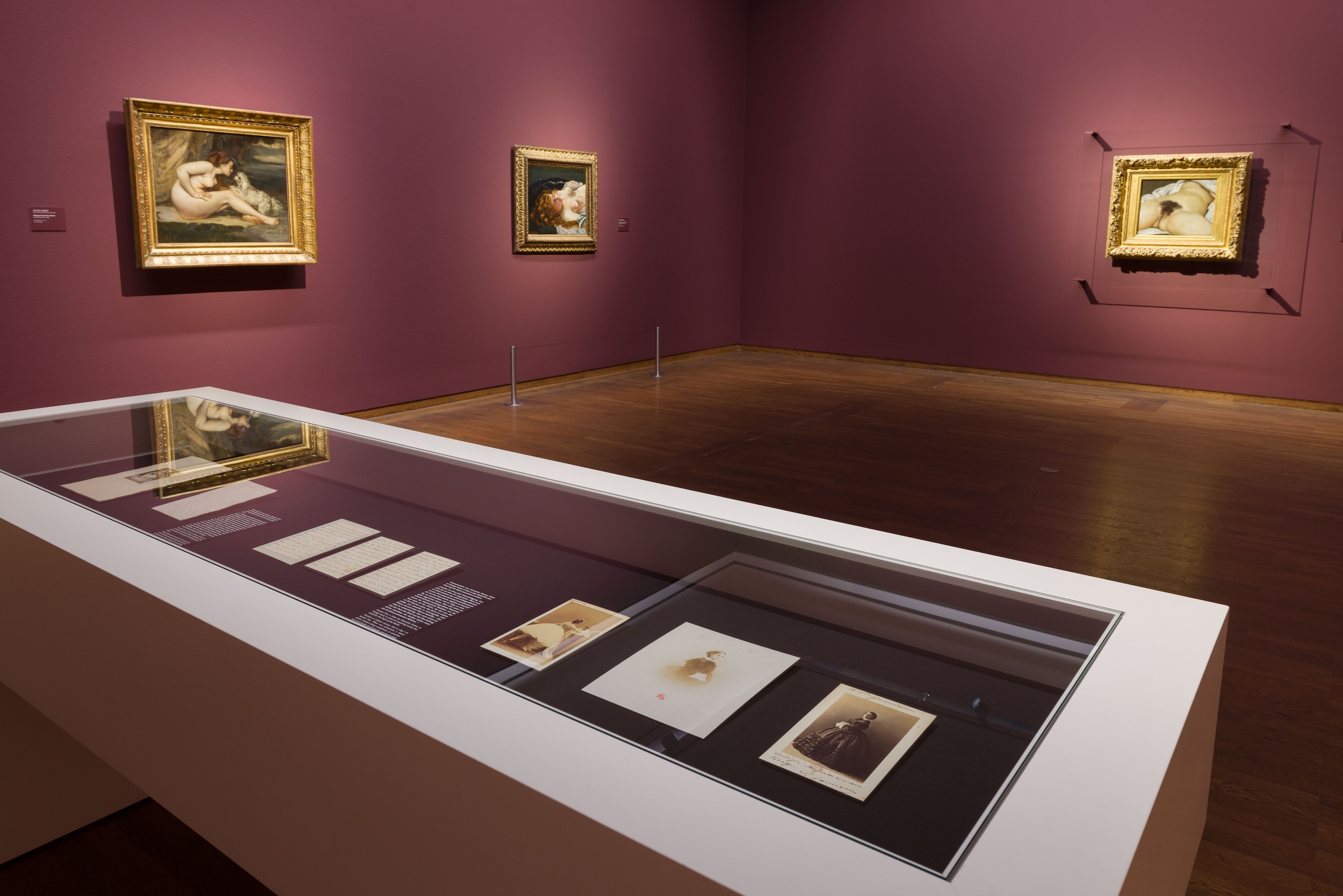
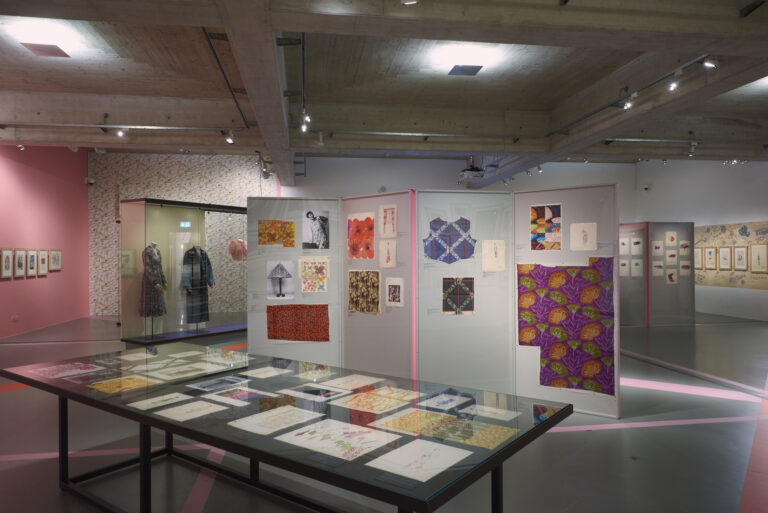
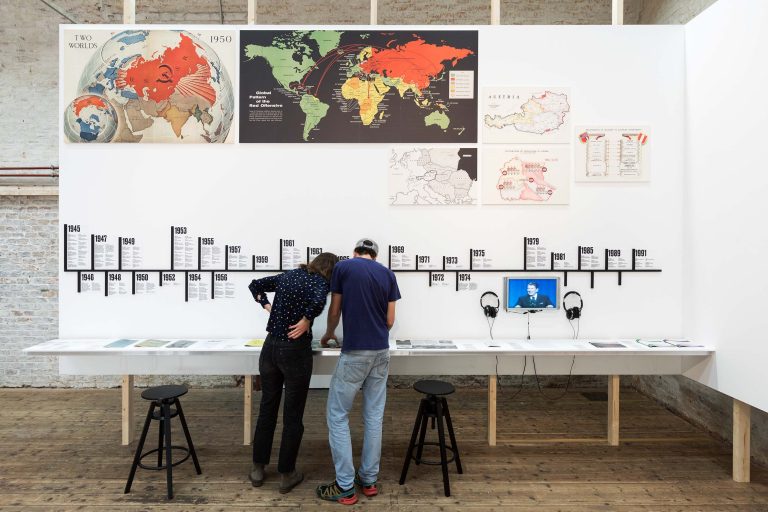
Exhibition Views "Gustave Courbet" © Leopold Museum, Vienna, Photo: Reiner Riedler
Yet Courbet’s work is not as straightforward as the somewhat conventional arrangement might suggest. On the contrary: Although the self-taught artist, who rejected academic painting and never attended an art school, revolutionized painting, he dared to depict the miserable everyday life of workers from 1848 onward. He was concerned with social responsibility and “truthfulness,” as he declared at the time—a new authenticity. Criticized during his lifetime, he is admired for it today.
However, alongside his socially critical works, Courbet also painted flower pictures, which are omitted in the Leopold Museum exhibition. While a wall text mentions that he positioned himself as early as 1855 as a “self-organized exhibition artist” who did not, like his colleagues, exclusively produce commissioned works, the consequence of this positioning—namely, that he also created works explicitly for sale—is not addressed here. Yet Hans-Jürgen Lechtreck, curator at the Folkwang Museum in Essen, estimates that around 75 percent of Courbet’s works depict nature scenes, some even in multiple repetitions. The exhibition will be shown in a slightly modified form at the Folkwang Museum starting in July, where Courbet will be presented as both an avant-gardist and a market-savvy artist, Lechtreck reveals.
GUSTAVE COURBET
Realist and Rebel
19th February–21st June 2026
Leopold Museum