When the museum becomes a theater – Fatima Hellberg’s debut exhibitions at MUMOK
The new exhibition at the reopened MUMOK breaks with convention. A text by Sabine B. Vogel.
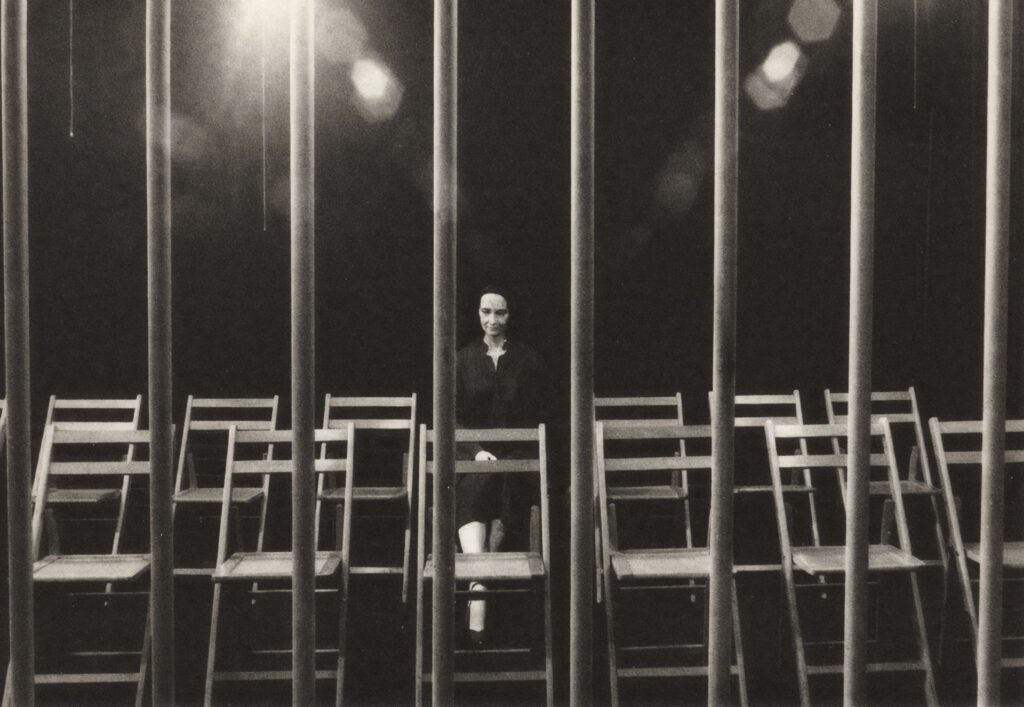
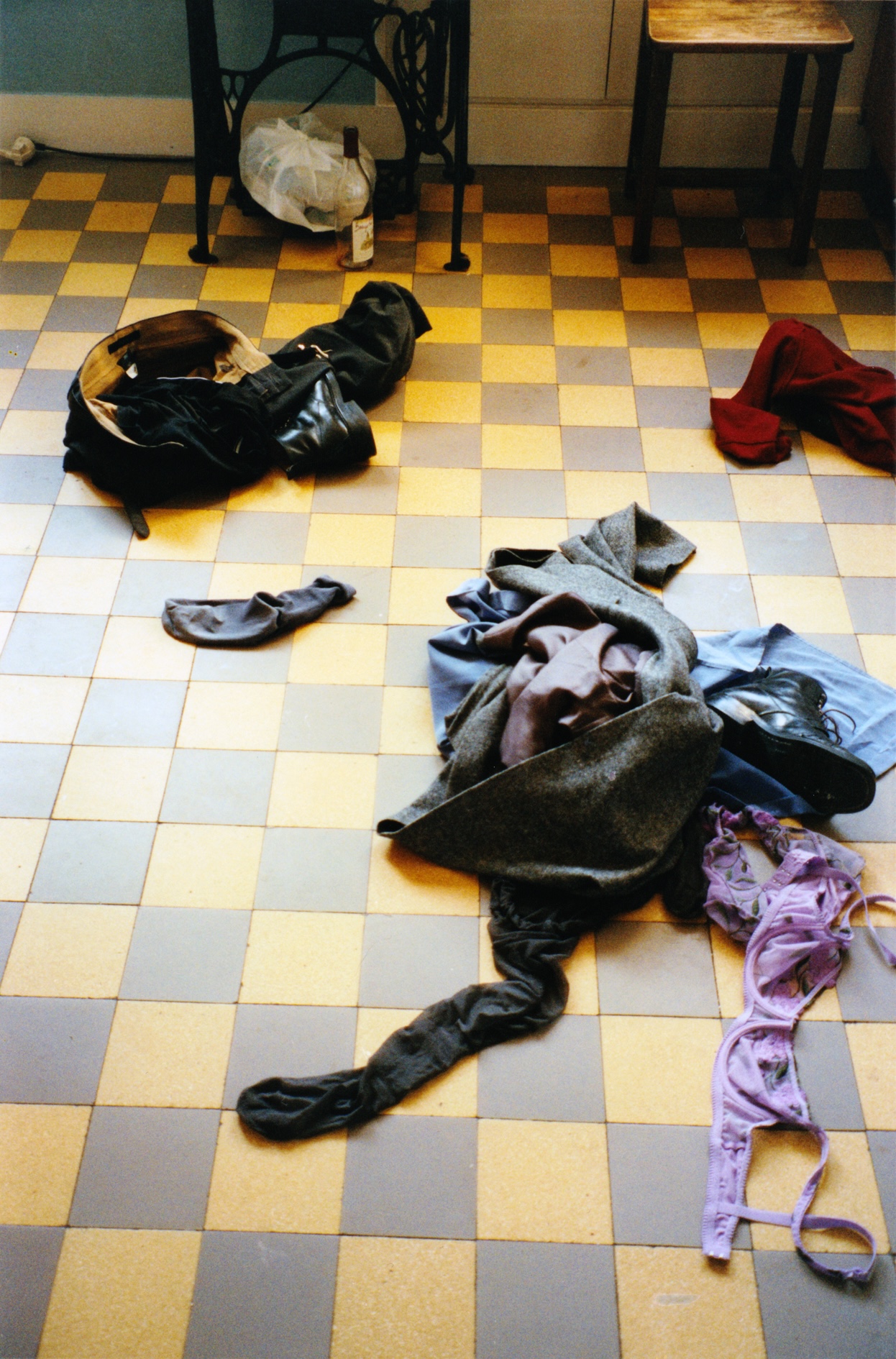
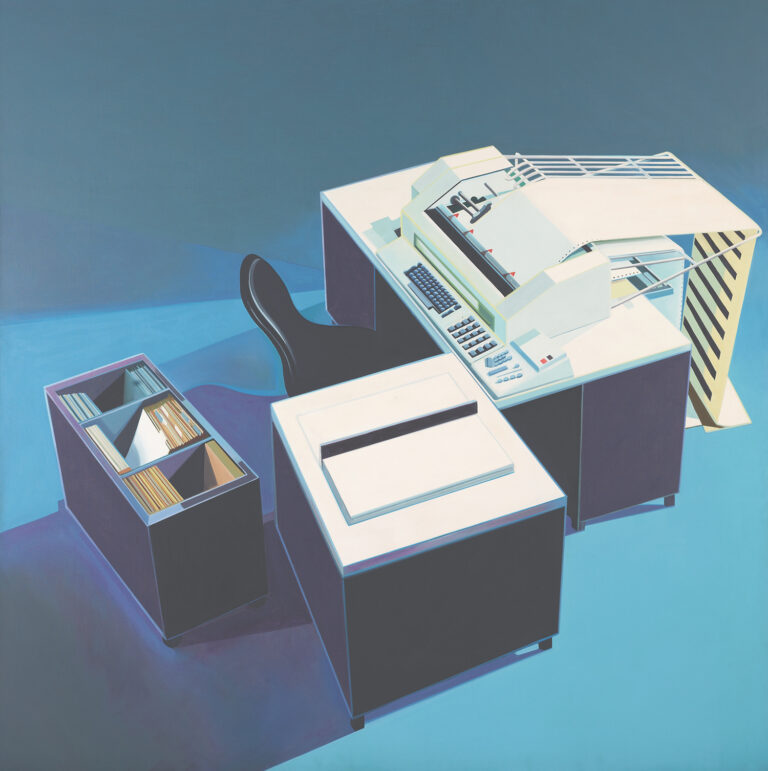
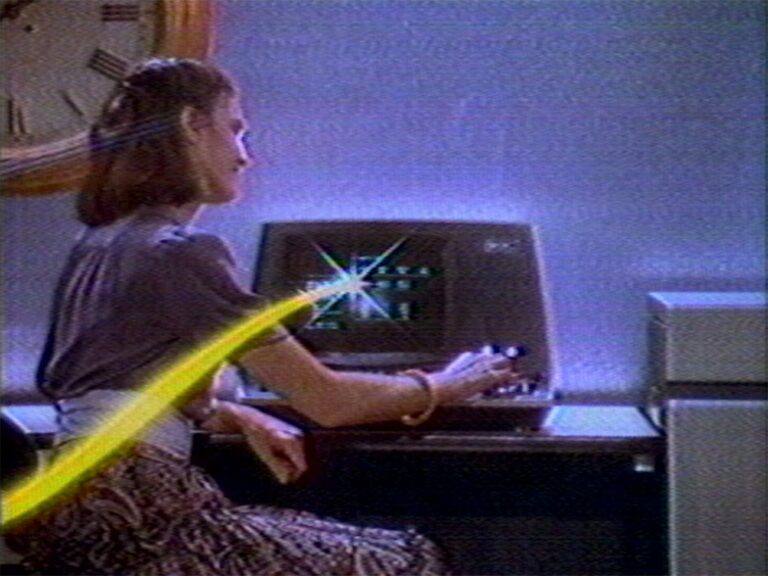
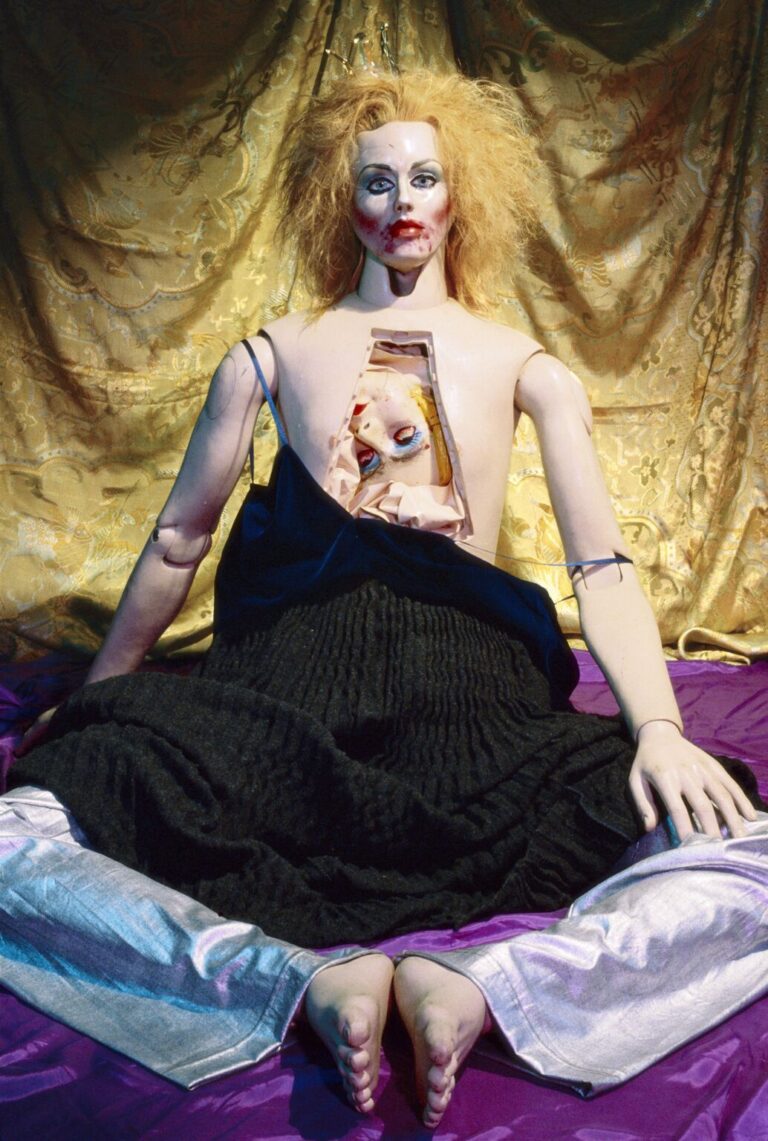
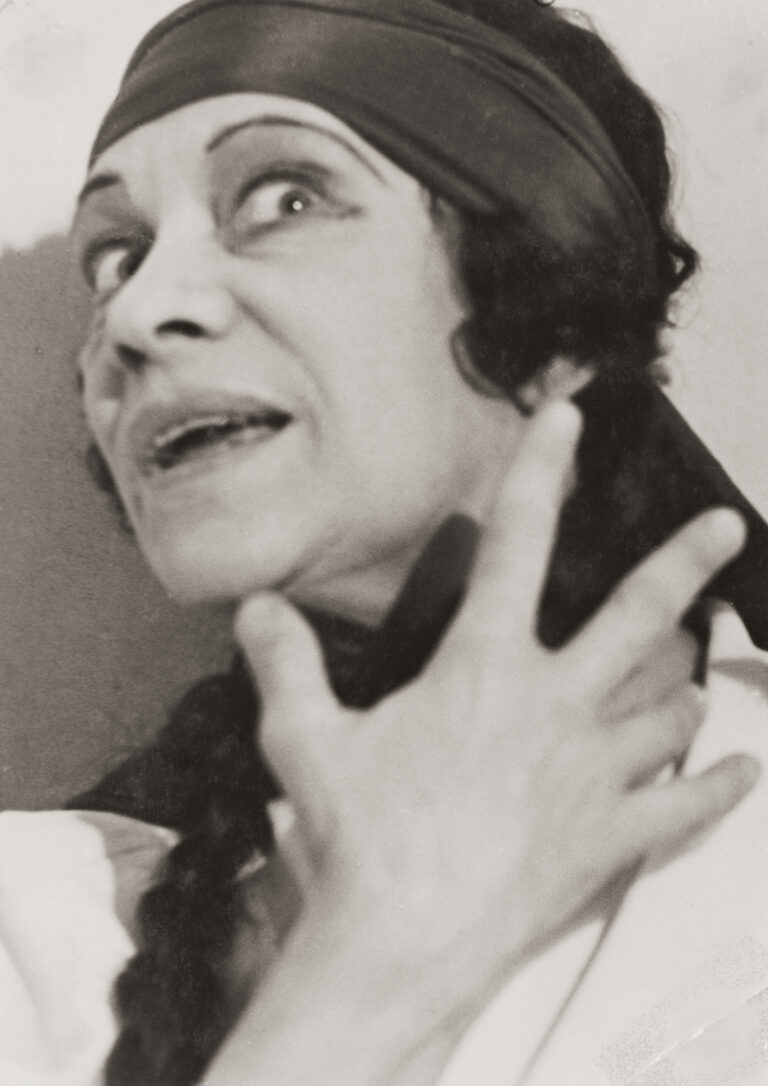
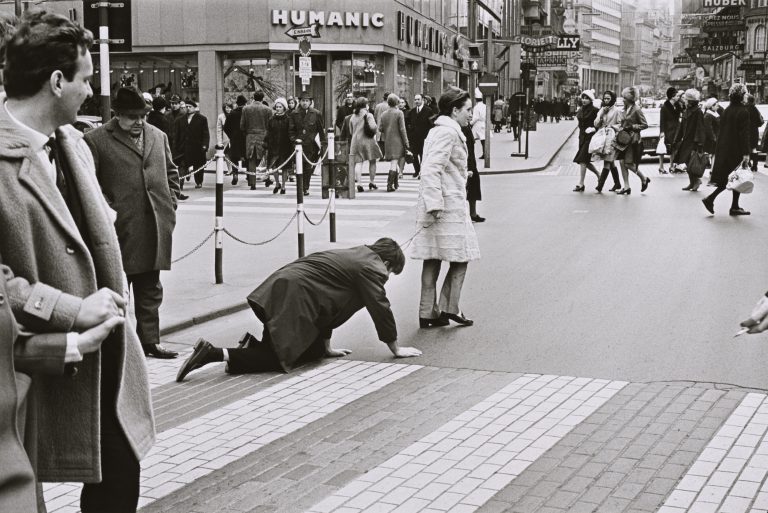
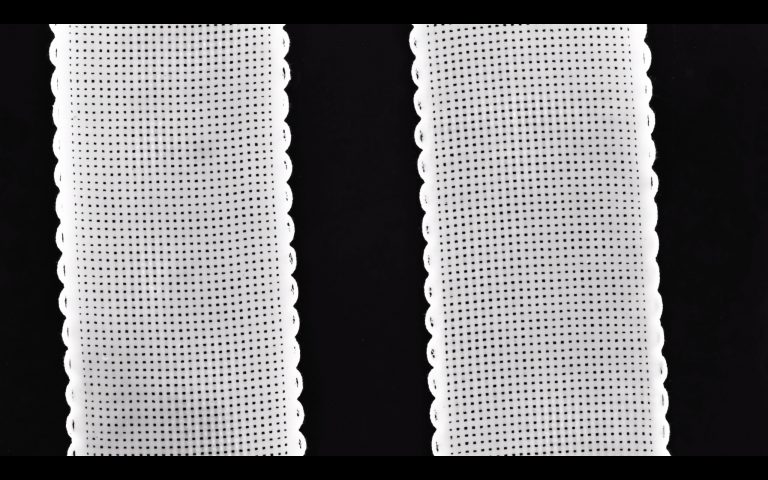
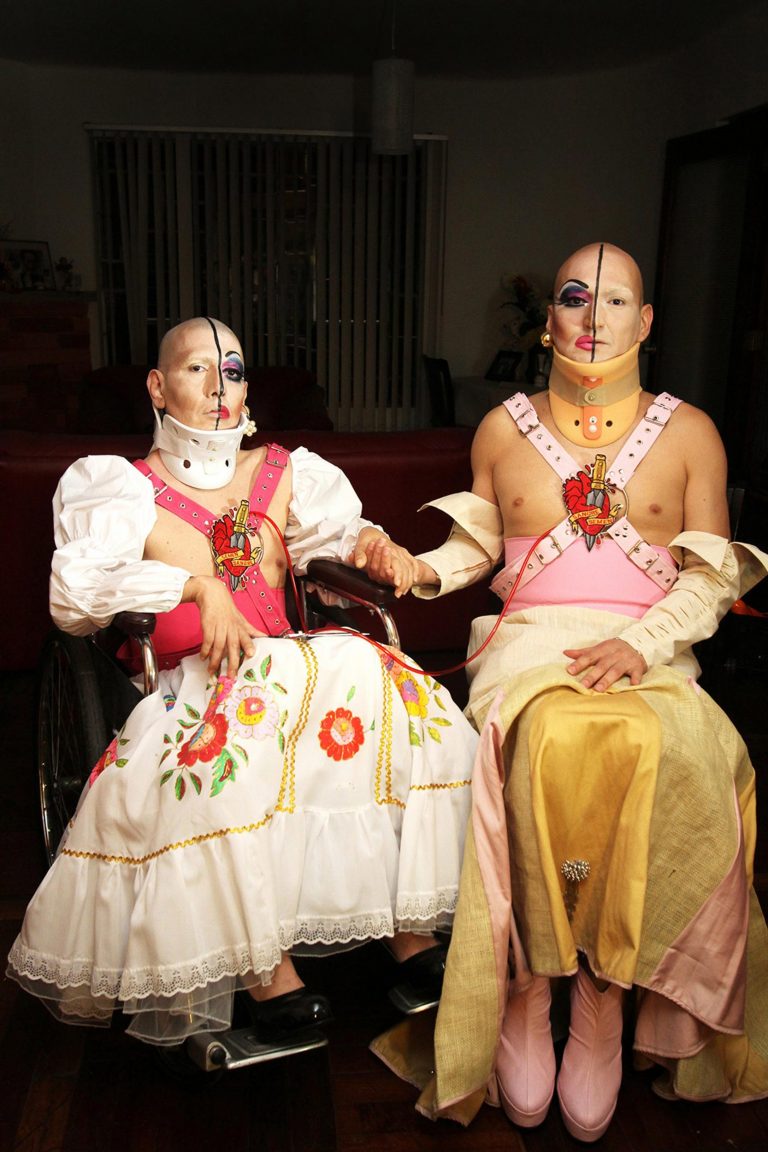
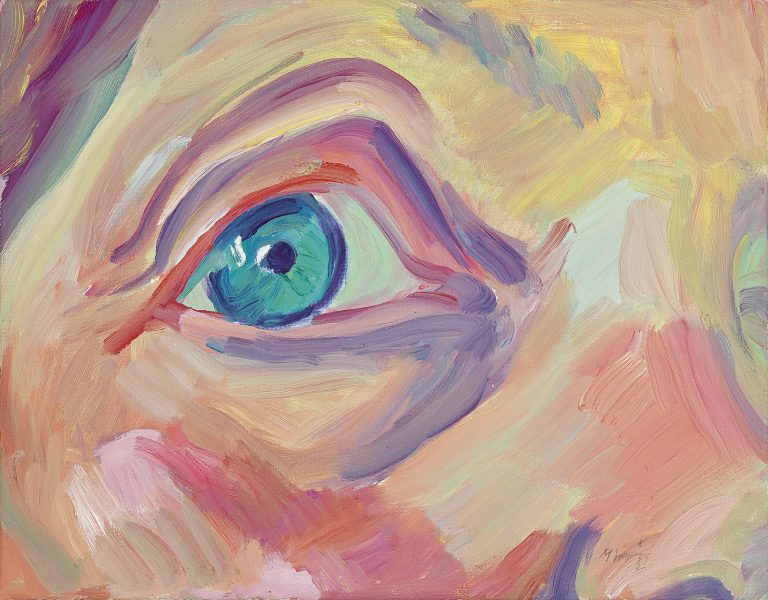
Kate Millett, Terminal Piece, 1972. mumok – Museum moderner Kunst Stiftung Ludwig Wien. Photo: Chie Nishio / The Kate Millett Trust
Museums are mausoleums. Art is frozen here. Collected, stored—some pieces almost never displayed, others shown from time to time. How can we break out of this situation, how can we breathe life into the institution? That seems to have been the starting point for MUMOK’s new director, Fatima Hellberg—and her answer is nothing short of spectacular.
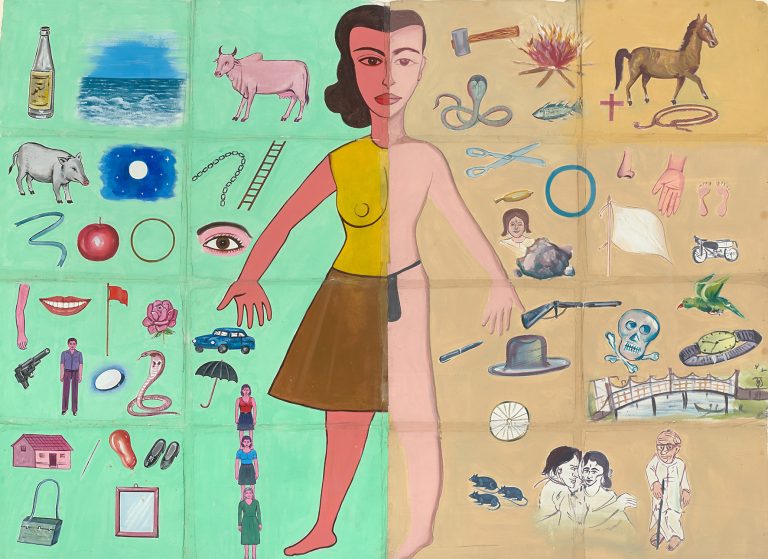
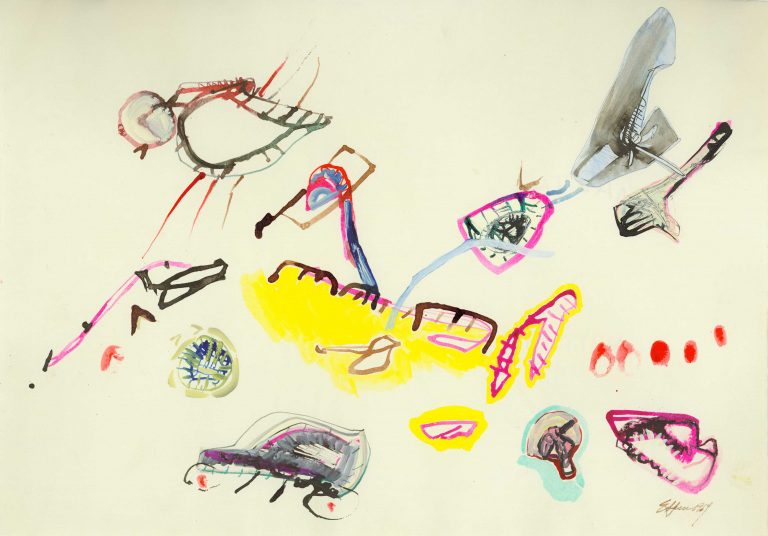
She calls the major exhibition “Terminal Piece,” featuring around 400 works from the collection, some of which have been shown only rarely or never at all. Translated as “end piece” or “final work”—and this as her inaugural exhibition! You can already guess: conventions are being broken here.
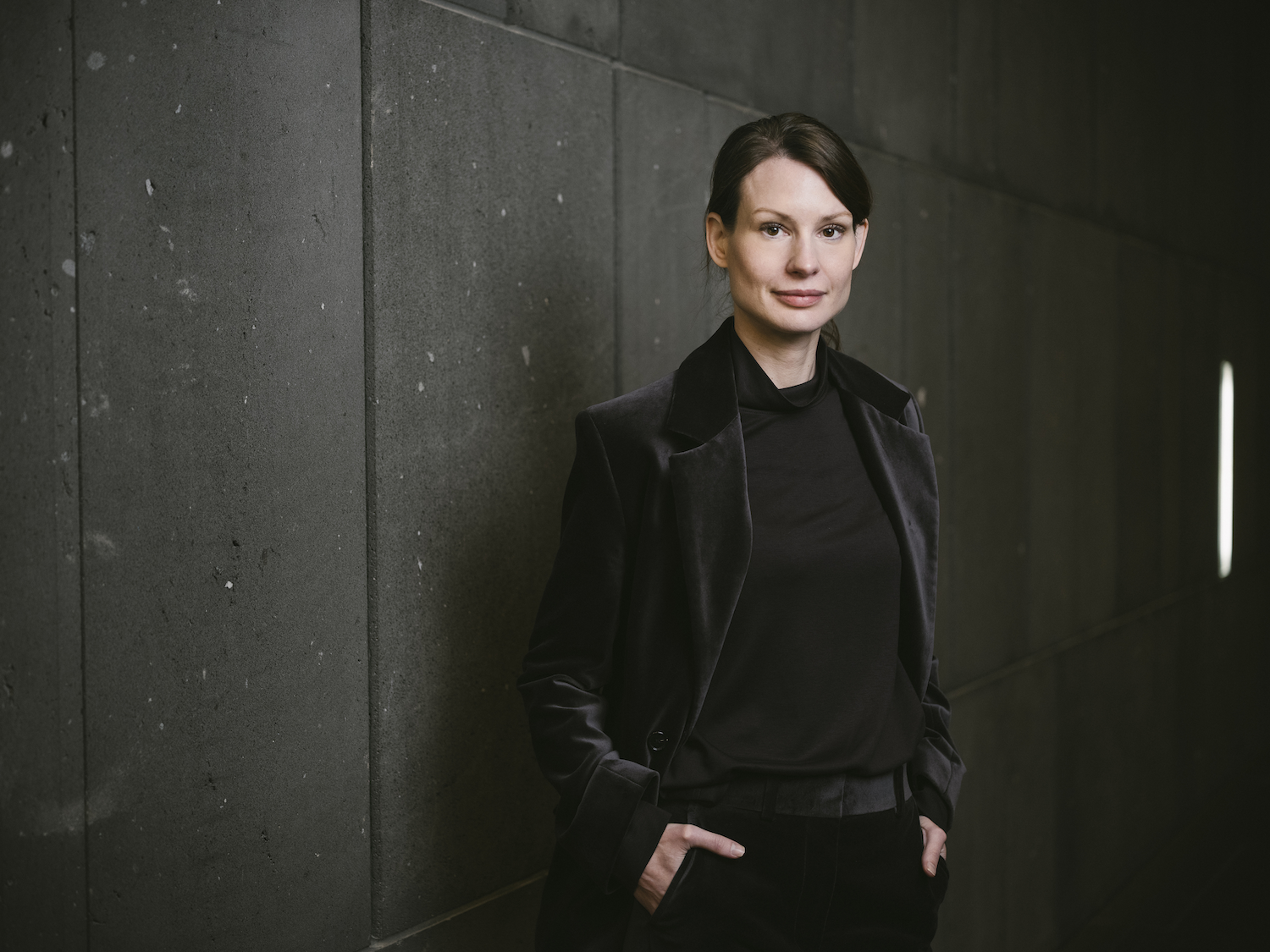
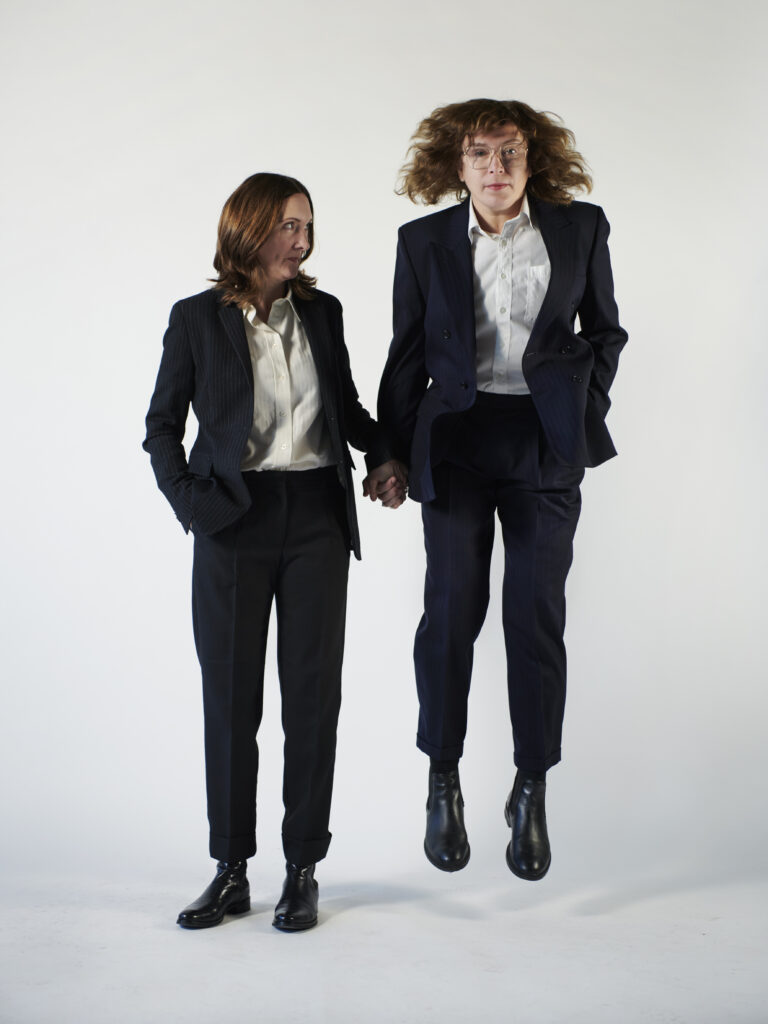
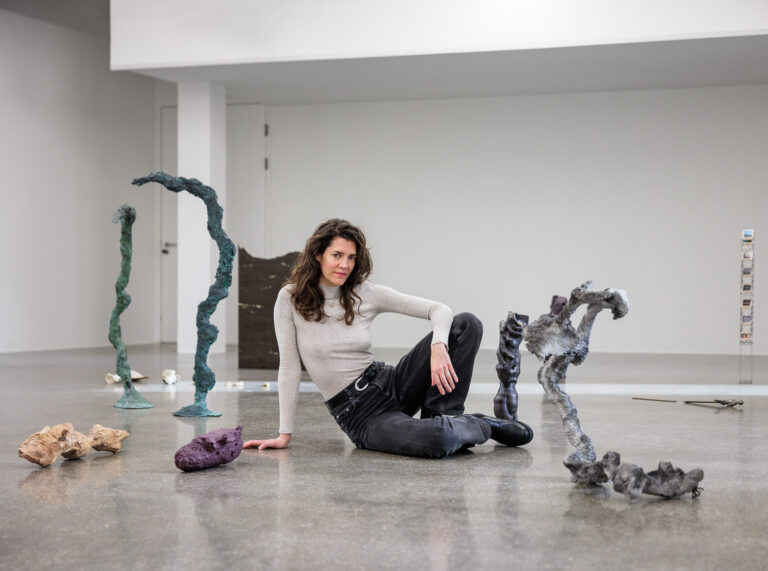
Fatima Hellberg. Photo: Niko Havranek / mumok
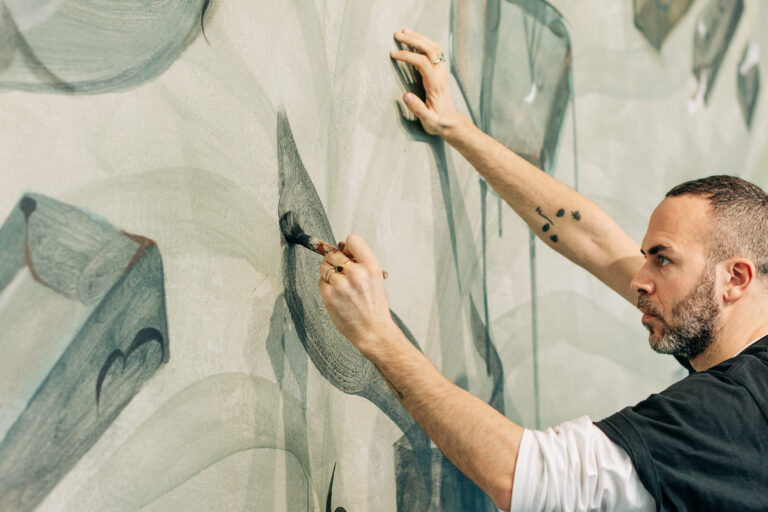
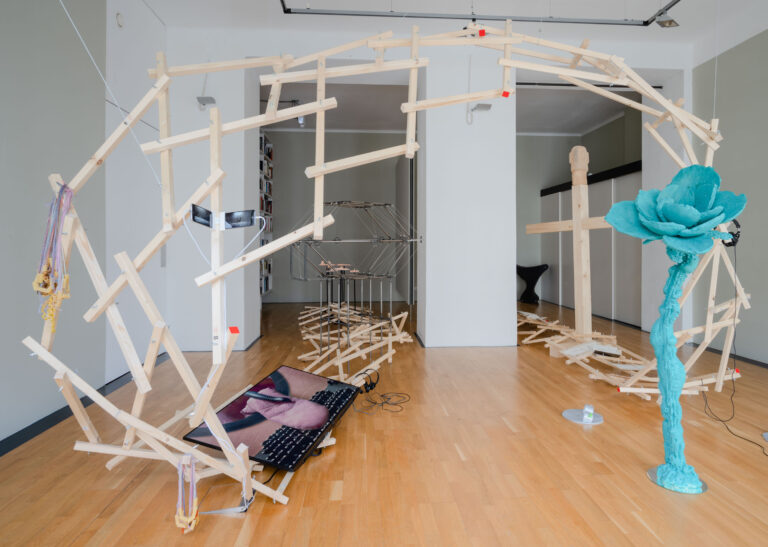
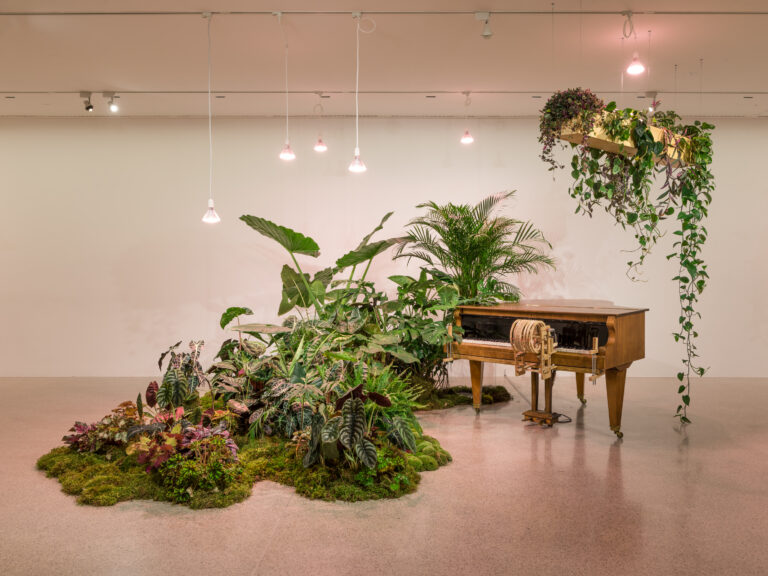
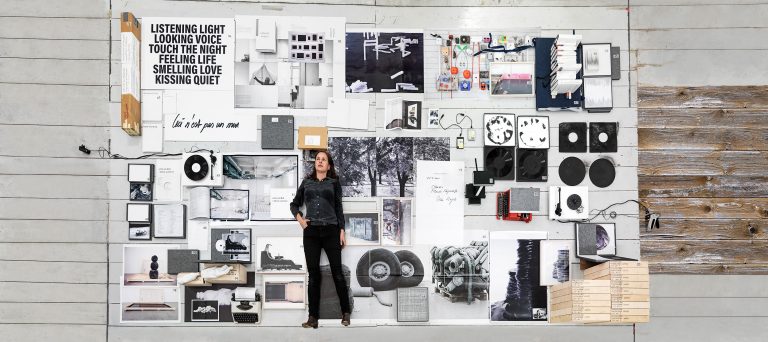
Thus, instead of perfectly renovated rooms, MUMOK welcomes us with interwoven installations. In the basement, Tolia Astakhishvili—born in Georgia in 1974—guides us through a red tunnel into a room-filling installation. As in the Institutional Critique of the 1990s, there is hardly any distinction between the artwork and its context—that is, the building’s mechanical systems, walls, and pipes.
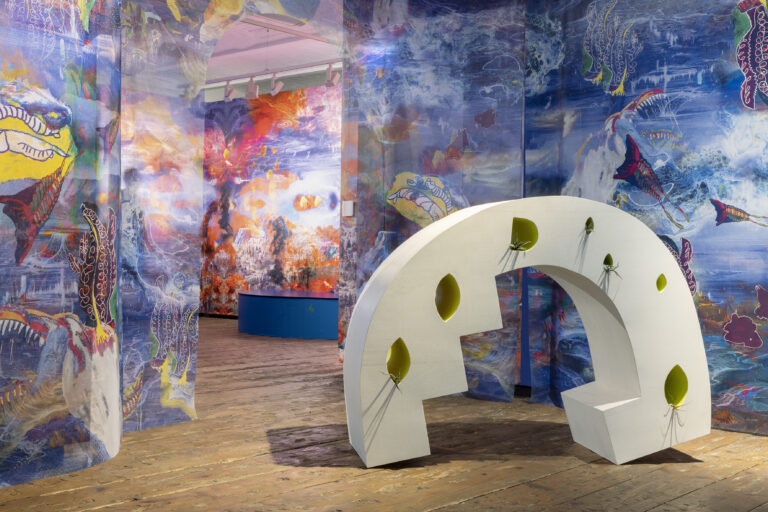
In her installation, rendered entirely in shades of gray, building materials, cables, and pipes are presented on an equal footing alongside works from the museum’s permanent collection; the atmosphere is somber and reminiscent of a basement. The gutted bathroom and the many parts combined in an associative manner are more reminiscent of a construction site than a museum. According to the free brochure available on site, the exhibition explores notions of home and belonging, as well as feelings of loss and the need for protection. More readily understandable are the remarks suggesting it is a reflection on “what we display, throw away, or leave to decay”—a fascinating question to pose in a museum!
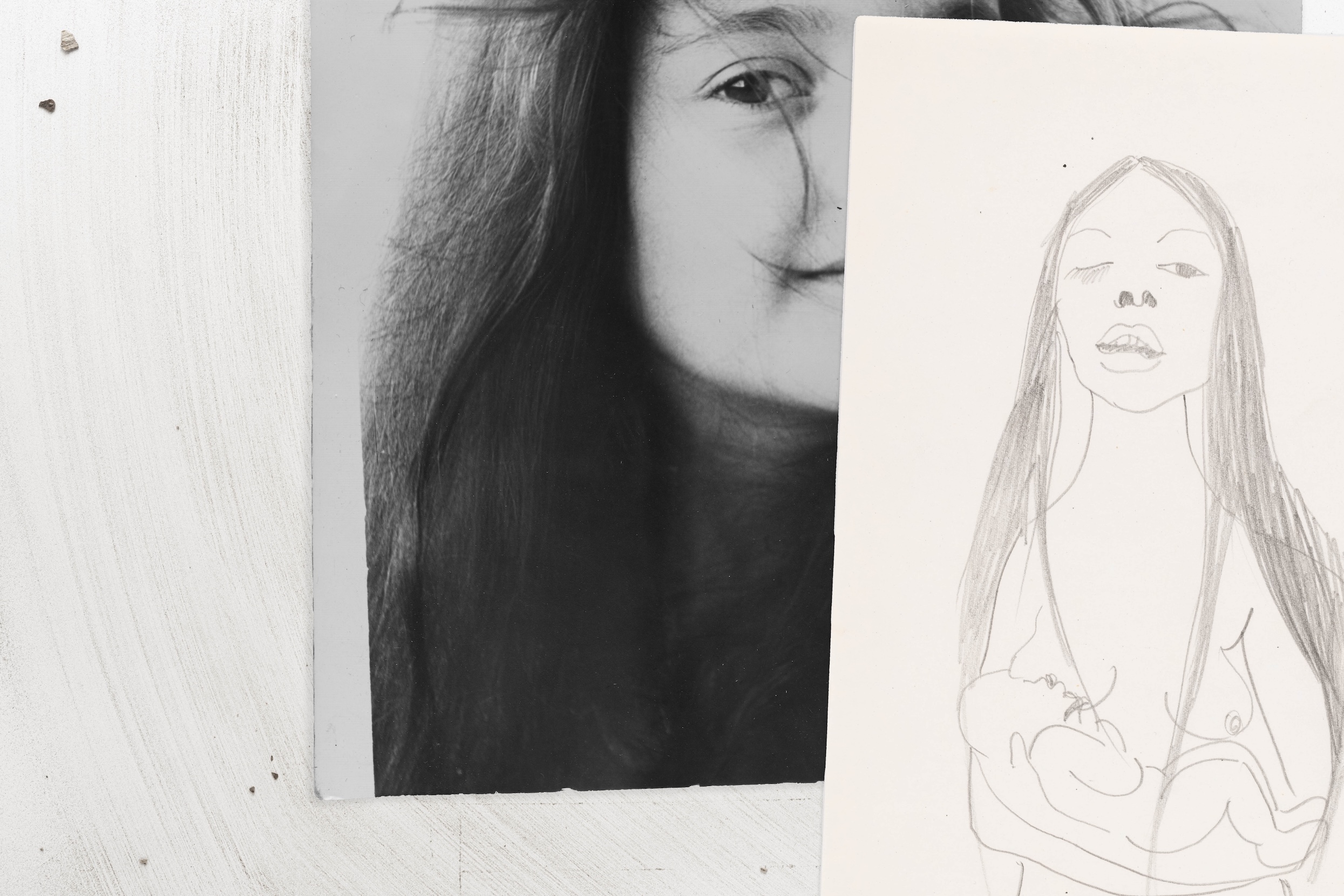
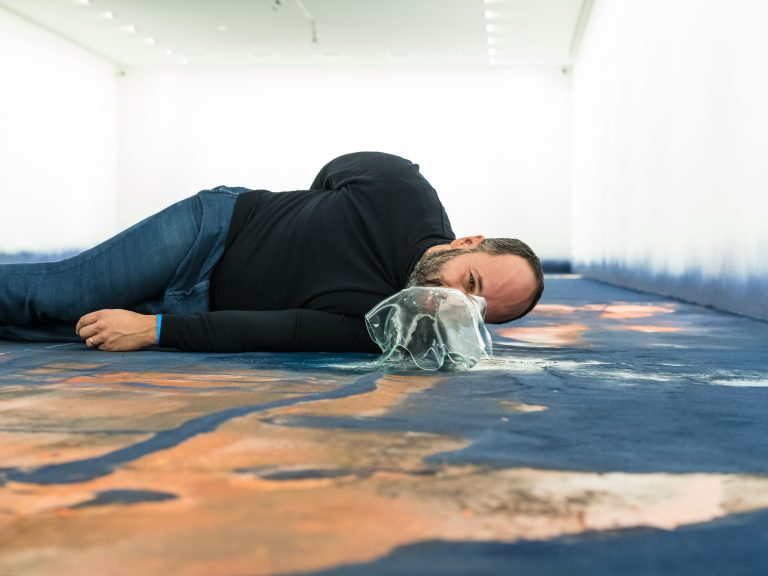
Tolia Astakhishvili, Tolia Curriculum, 2026. Courtesy of the artist. Design: Syndicat
The central exhibition “Terminal Piece,” spread across five floors, strays even further from museum conventions. It begins on Level O, which is free to visit—though the crowds are manageable. In the brochure available on-site, Anna Viebrock is listed in the same font as the title—is she the artist who, like Astakhishvili, integrates works by her colleagues into her installation? Not quite.
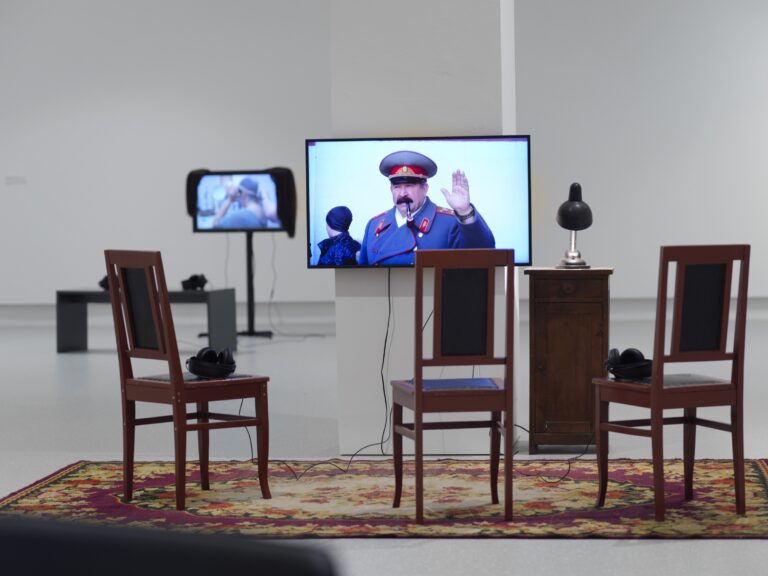
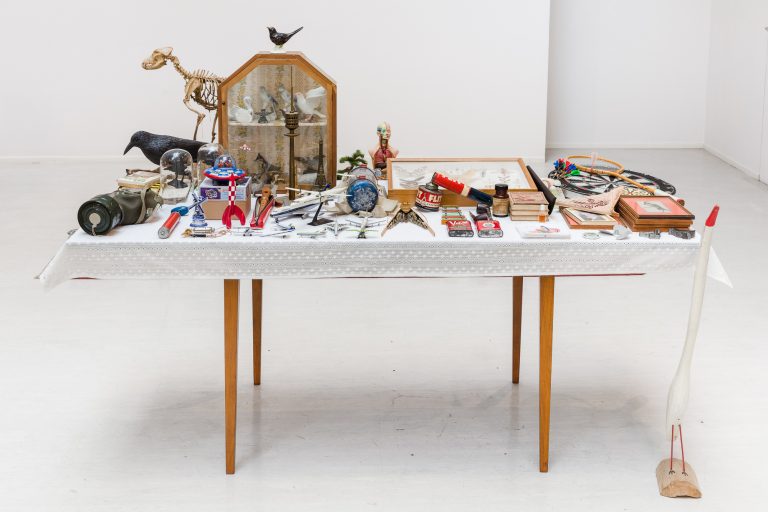
Viebrock is a set designer. Here, she transforms the museum into a stage, and the exhibitions become a theater—in which Viebrock’s objects are given the same prominence as the works from the collection by Arnulf Rainer, Gerhard Rühm, or Franz West.
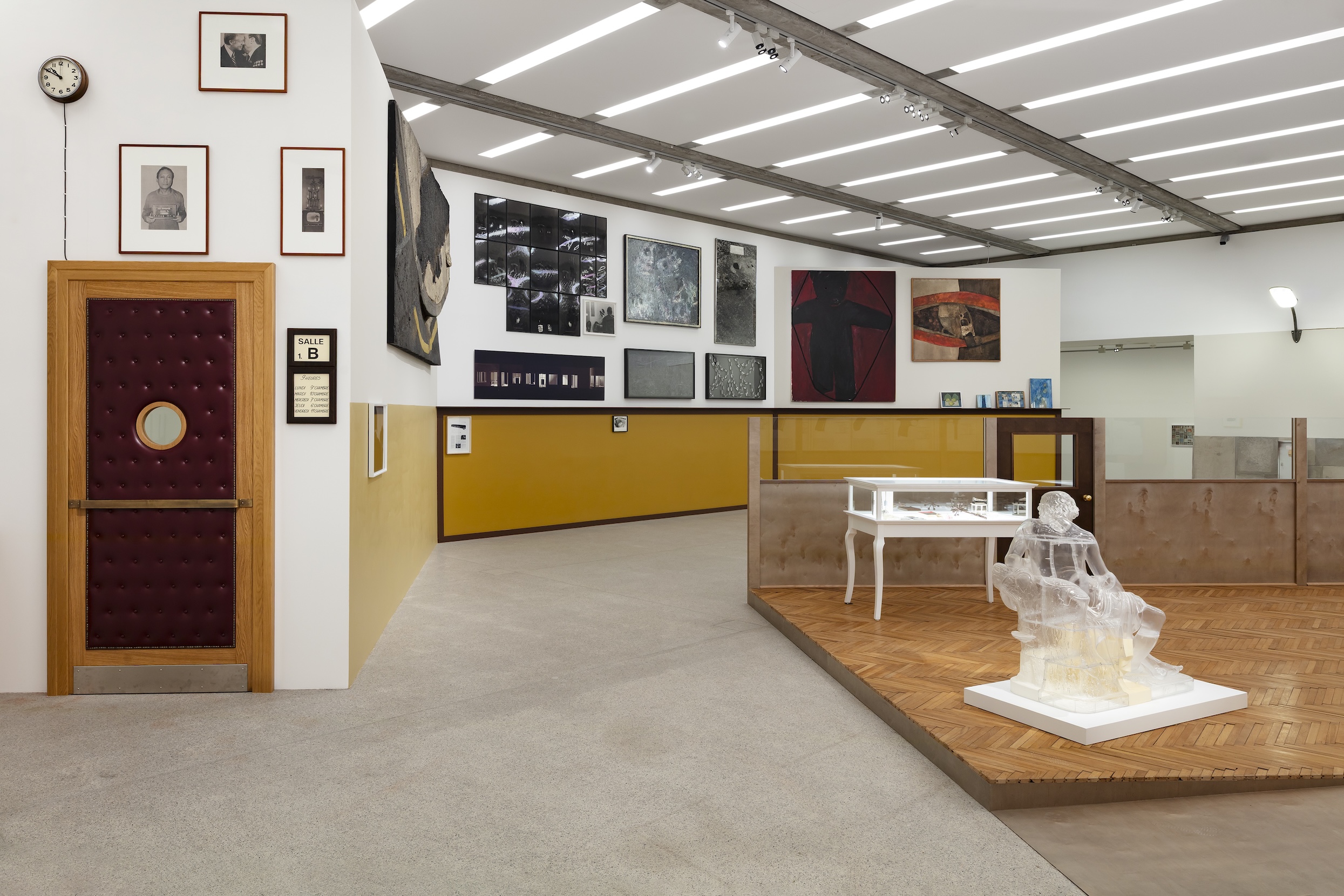
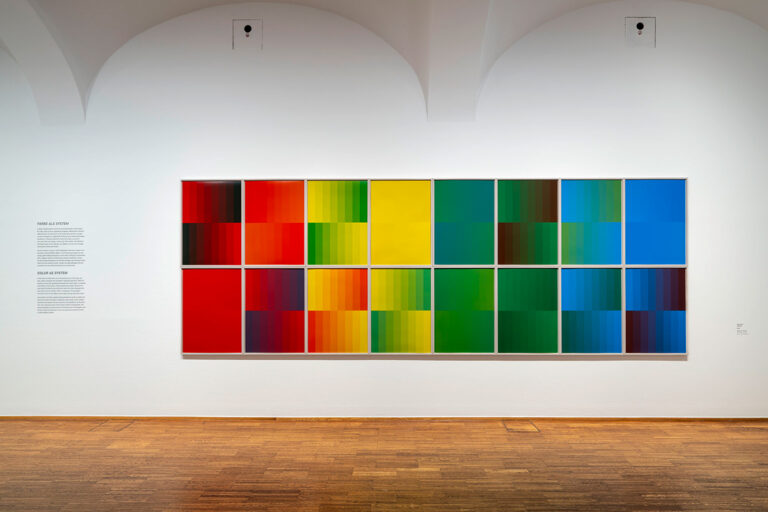
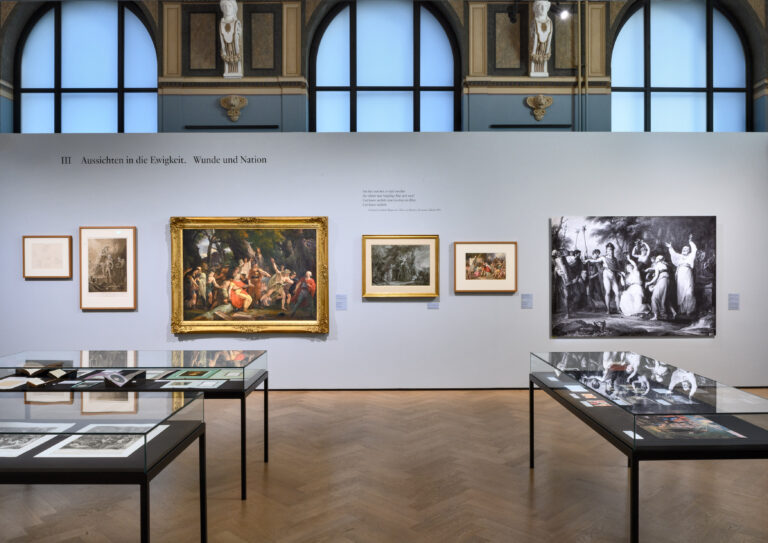
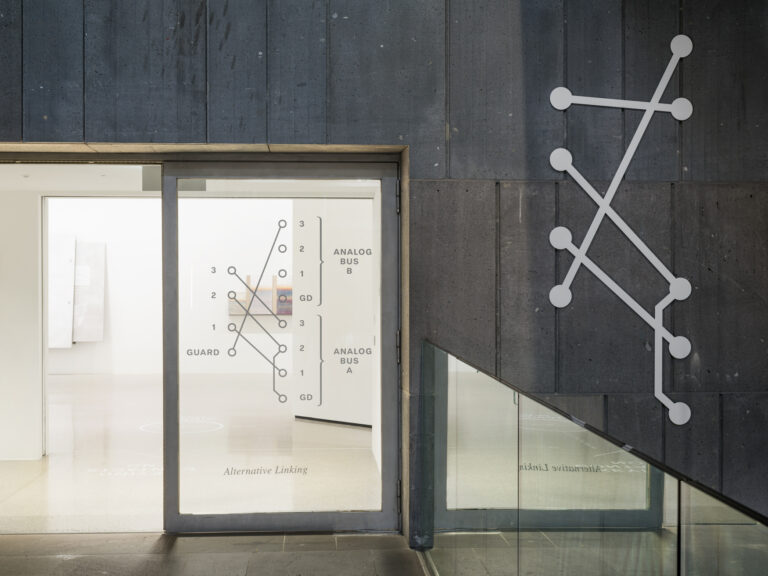
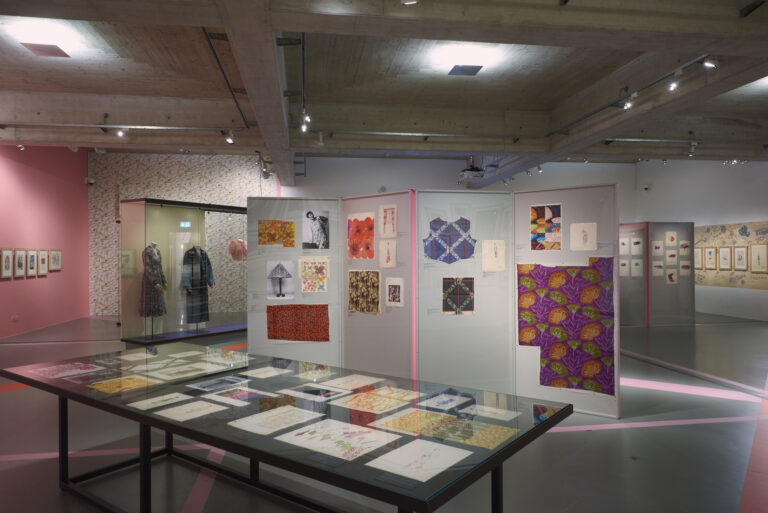
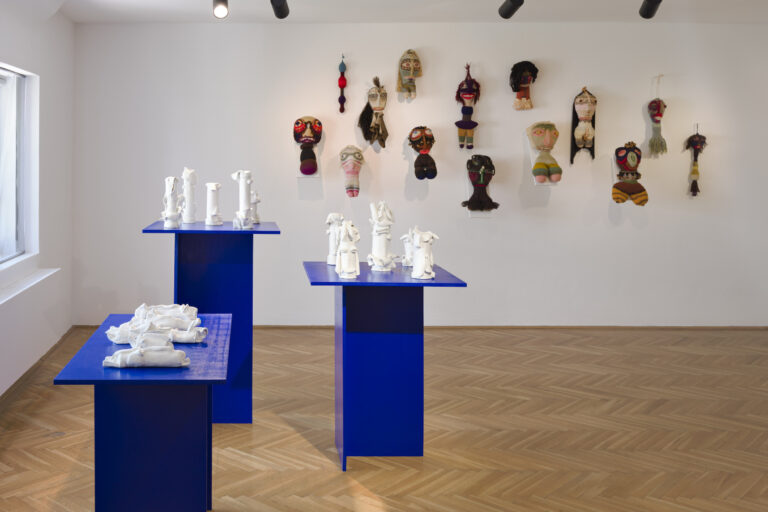
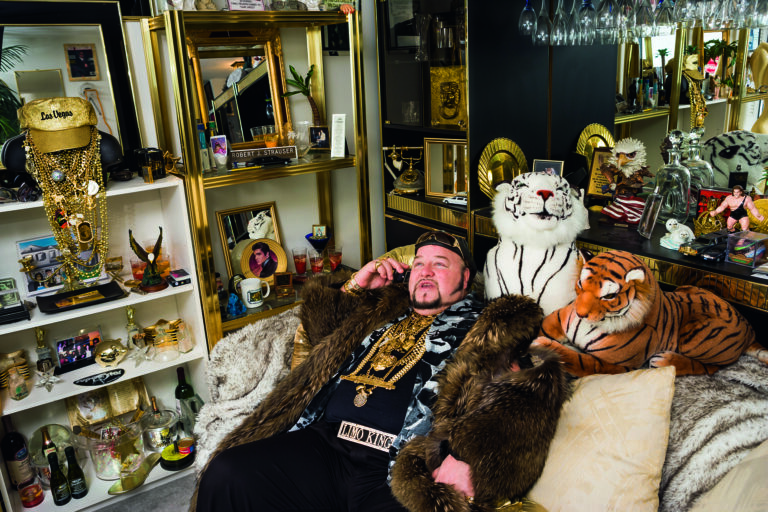
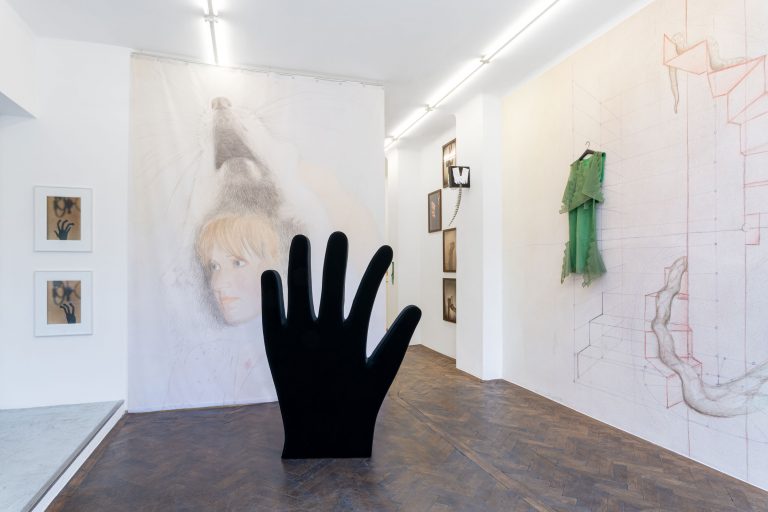
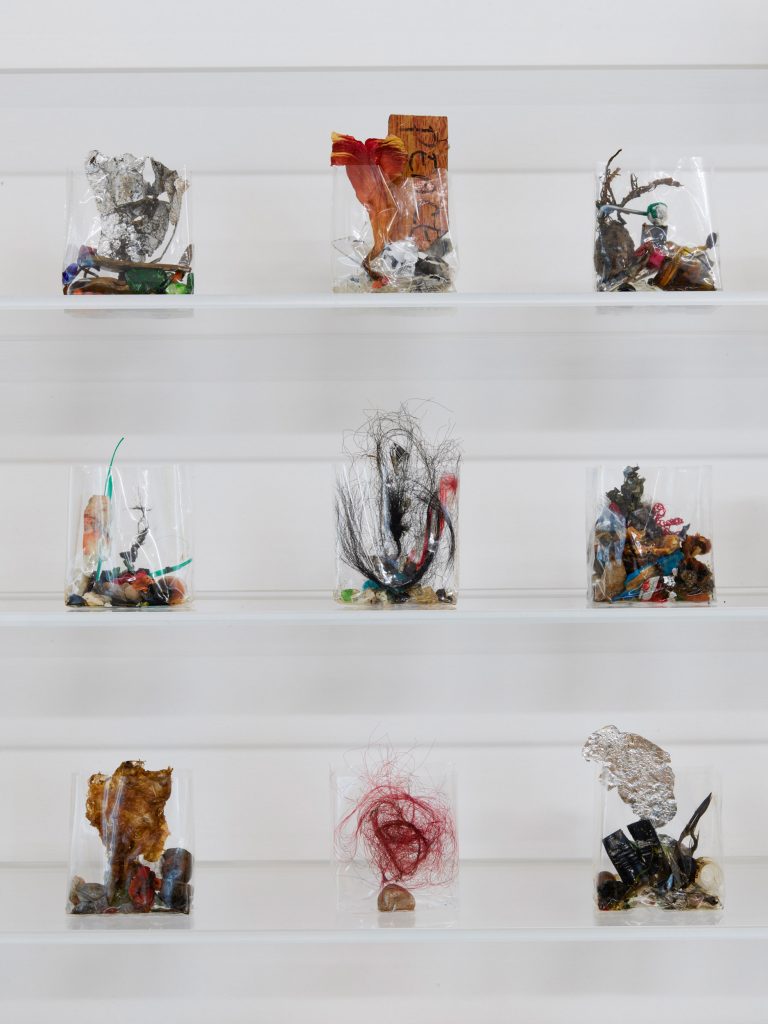
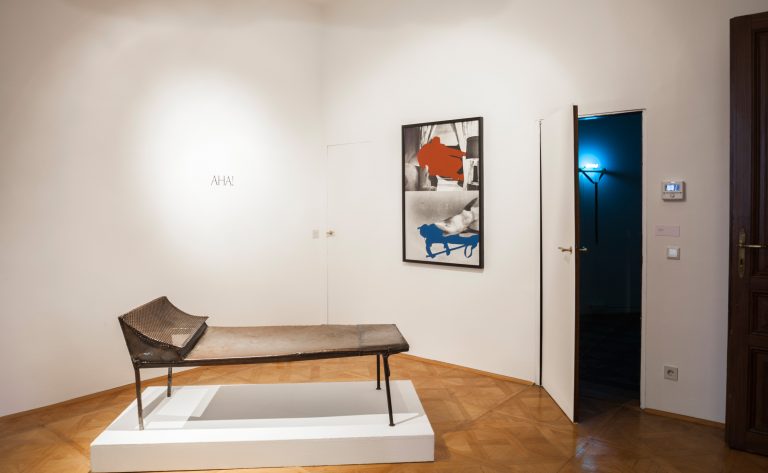
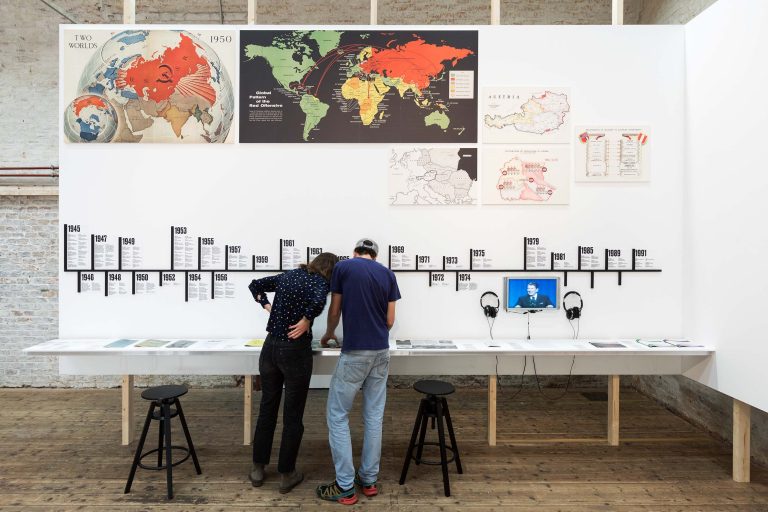
Exhibition view, Terminal Piece, June 20, 2026 – February 7, 2027. Photo: Markus Wörgötter
Such an uncommented blending of design models with works of art is actually a breach of taboo, but it fits into Hellberg’s radical statement: Here, the rules of the art world or the museum do not apply—rather, those of the theater.
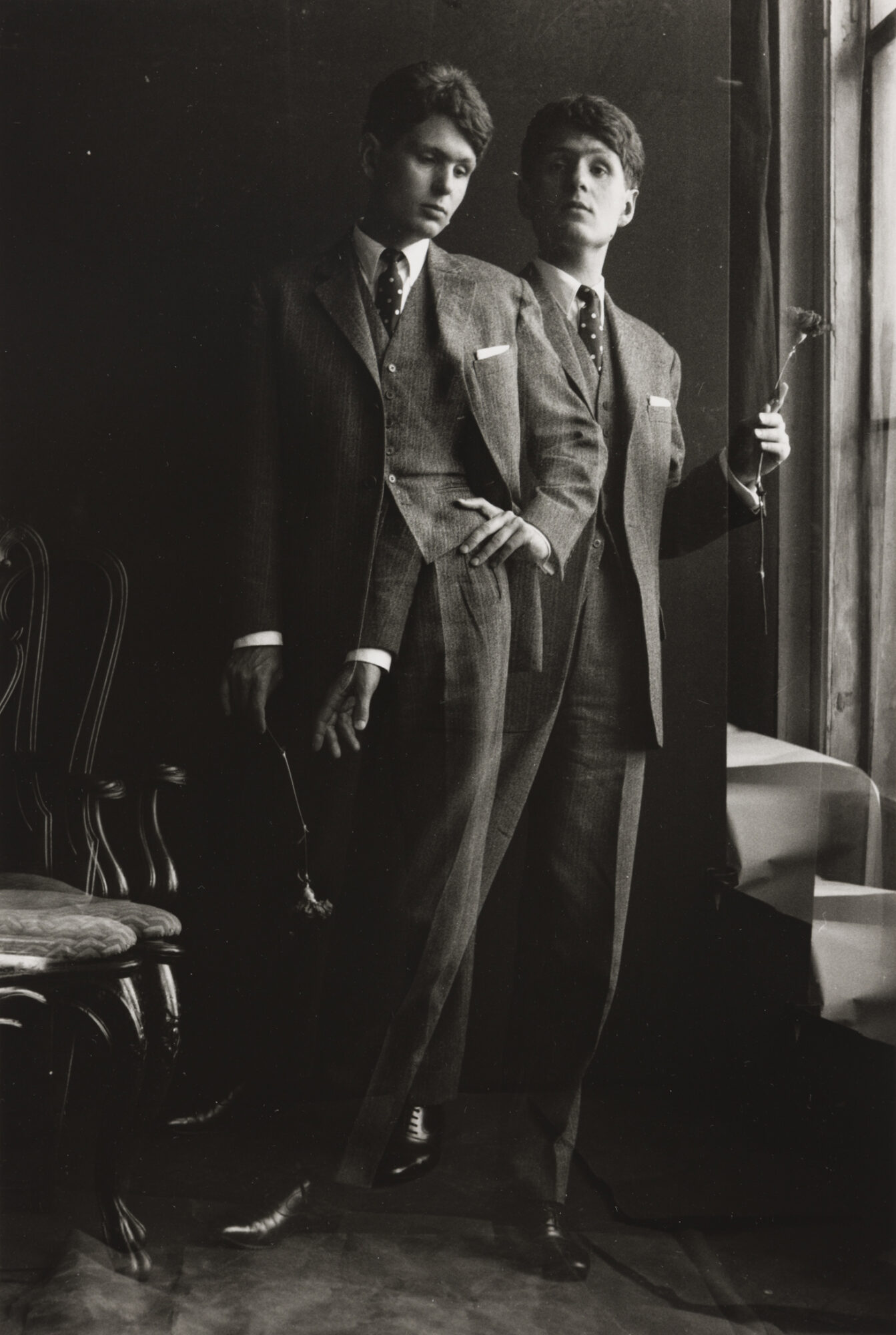
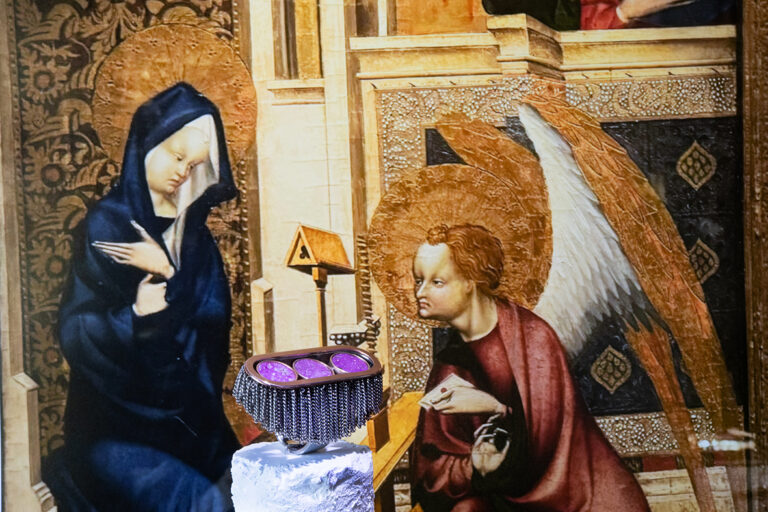
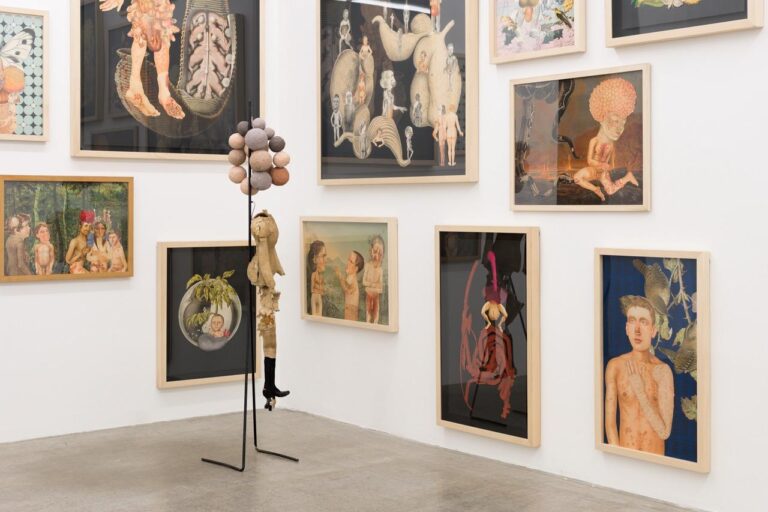
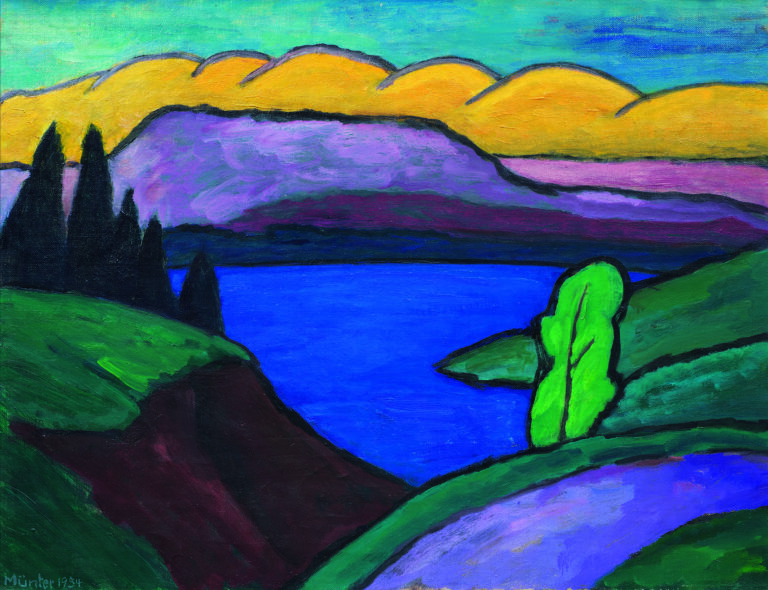
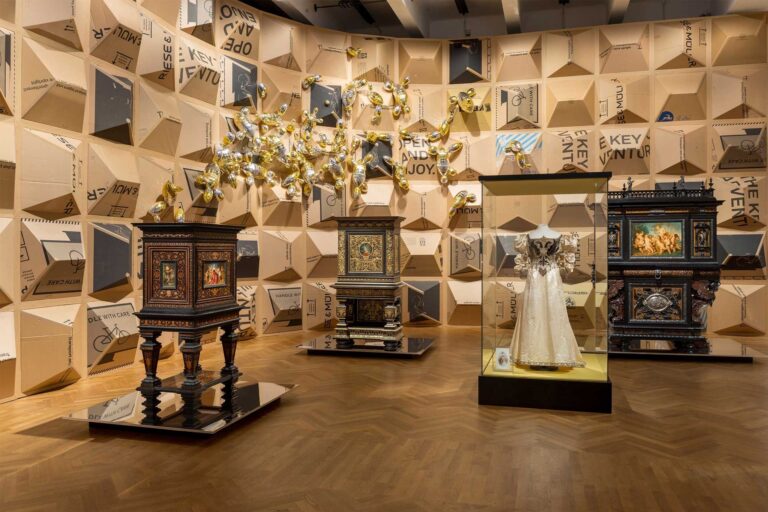
At the level of props, there is no distinction between high and low, between art and work tools. Thus, this “prologue” leads us through stage-like rooms—from the “study” to the “basement” to the “church”—with works arranged rather haphazardly, often in the St. Petersburg hanging style—including some very beautiful rediscoveries, such as the photographs by Octavian Trautmannsdorff from the late 1980s.
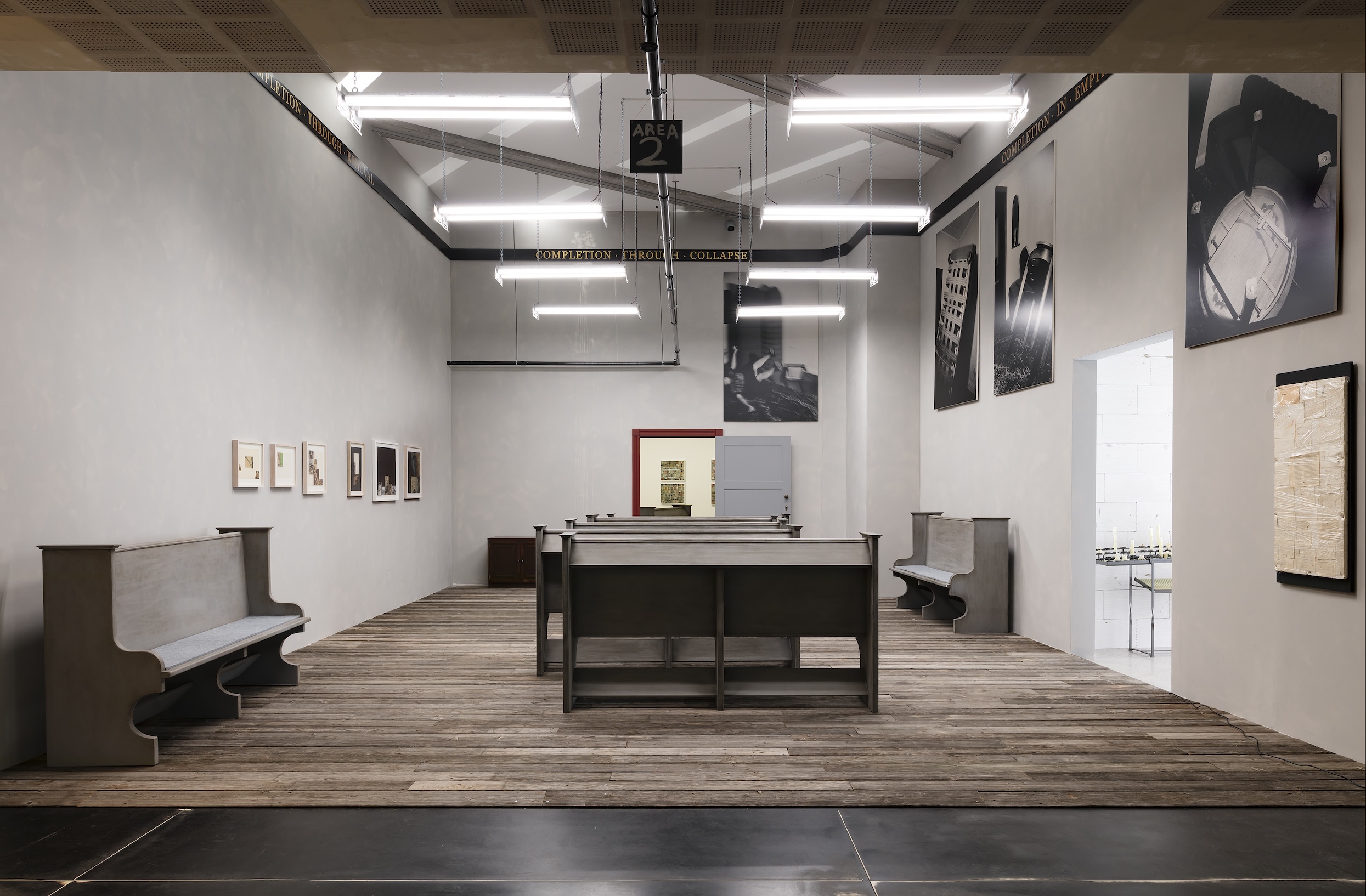
Exhibition view, Terminal Piece, June 20, 2026 – February 7, 2027. Photo: Markus Wörgötter
Although the set designer is not responsible for the four floors below, the theatrical element runs throughout: Each level is designated an “act,” just as in a performance. As if in response to Astakhishvili, the walls flirt with a raw aesthetic, with random, useless pipes placed here and there and large swaths of wall space left empty. Is the hope behind this that the often small-scale, serial works will have a greater impact? If so, that would have failed.
According to the brochure, each level follows ambitious themes such as the “tension of the gaze” in Kate Millett’s eponymous installation “Terminal Piece”; “contradictions between political ideals and lived experience” (Act 2); Act 4 “explores the apparatus of seeing”—but can that really be achieved through works of art? If so, then only for a very small circle of visitors.
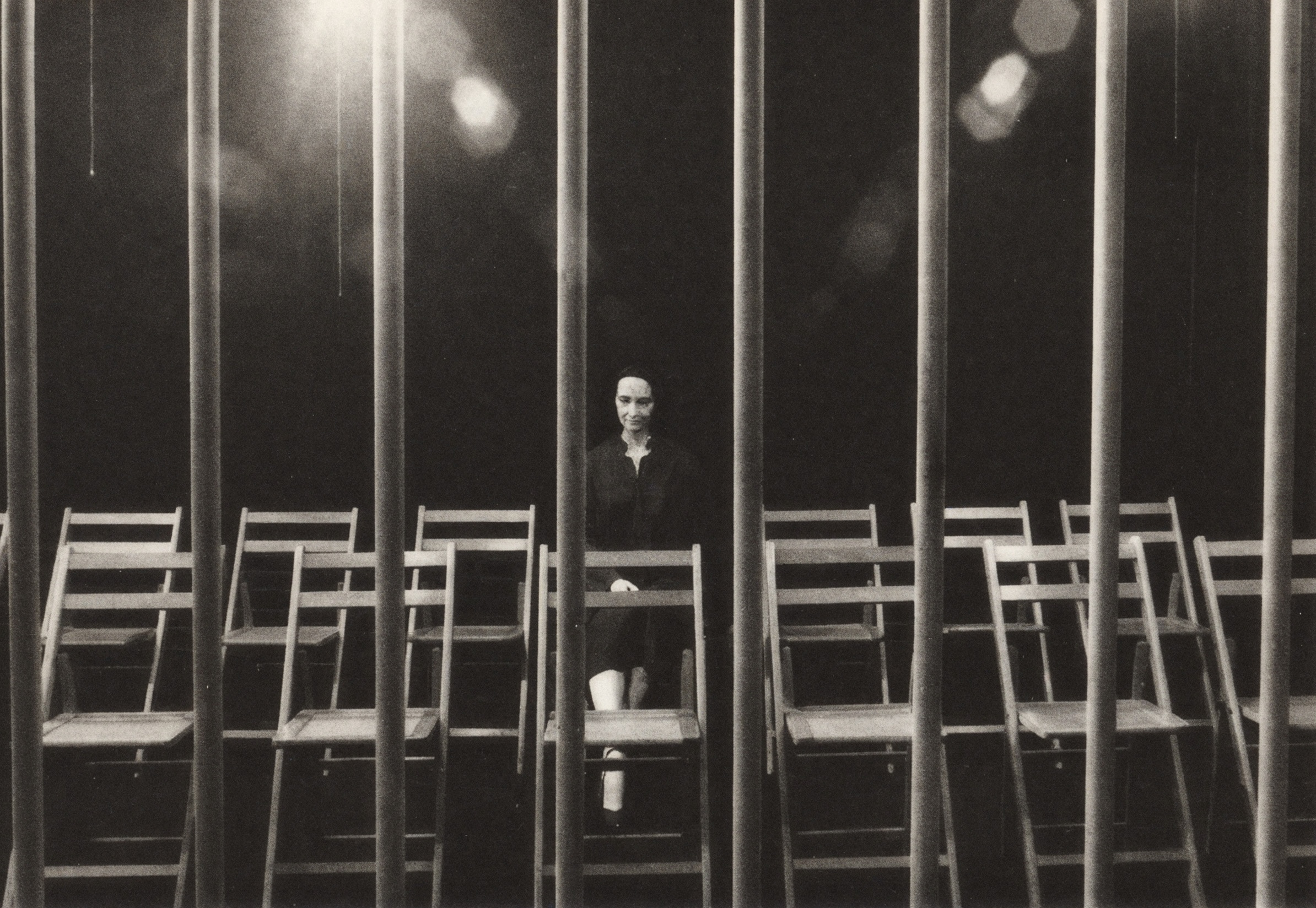
Kate Millett, Terminal Piece, 1972. mumok – Museum moderner Kunst Stiftung Ludwig Wien. Photo: Chie Nishio / The Kate Millett Trust
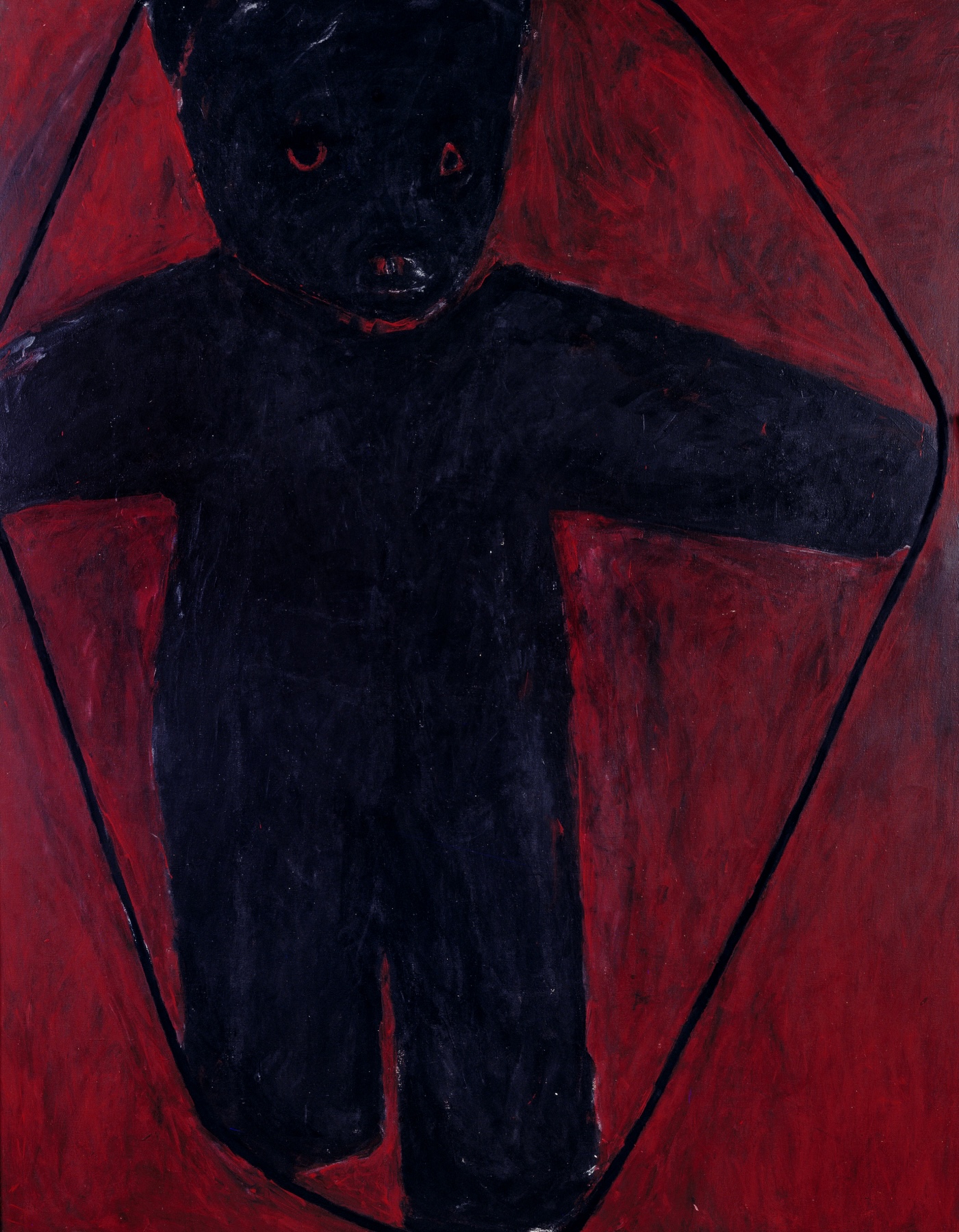
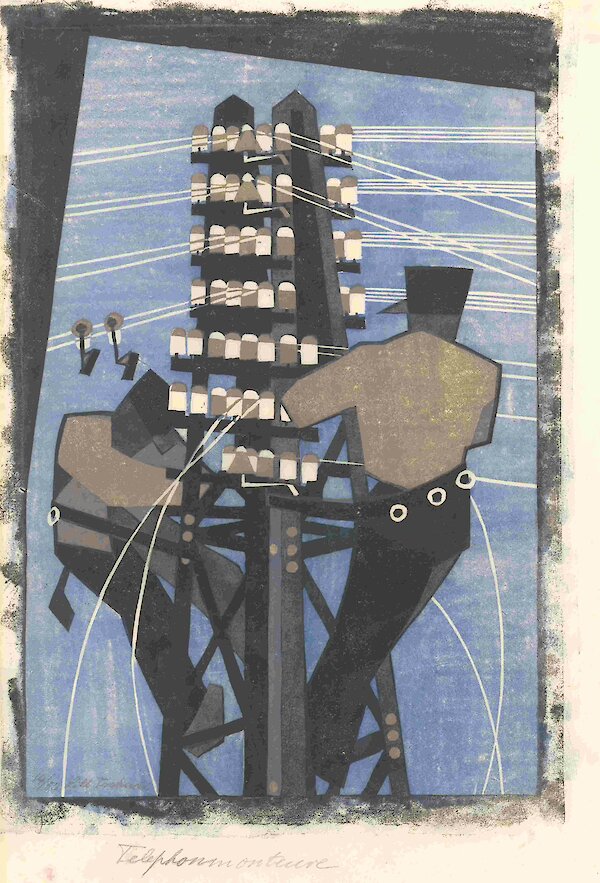
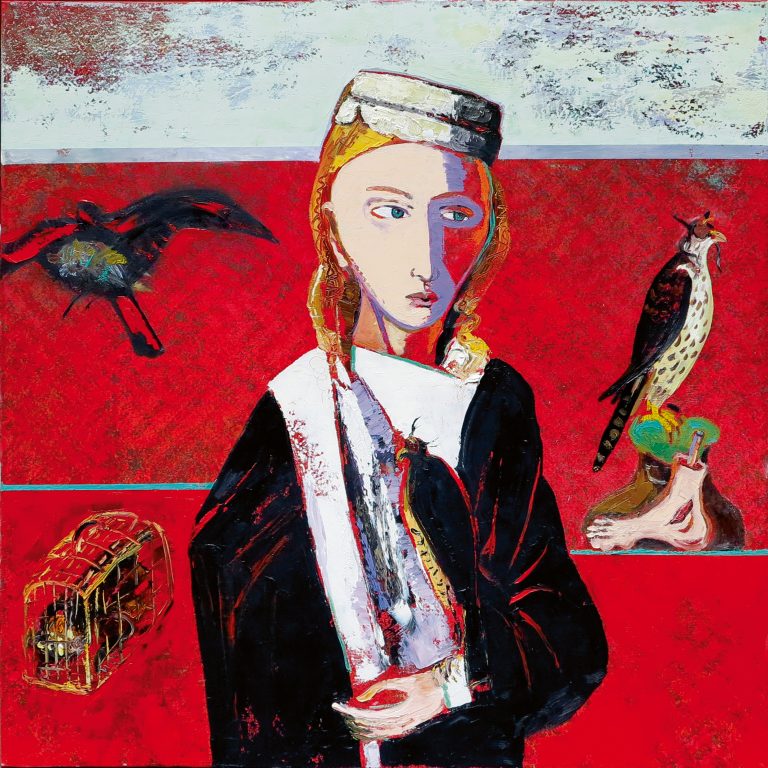
Otherwise, it’s worth taking a leisurely stroll through the exhibition, perhaps taking a closer look at those works that aren’t part of the collection—very often serial works, which, unfortunately, are often not very impressive. In contrast, Jean Fautrier’s 1943 series “Hostage Heads,” with which he responded to the torture inflicted by the German occupation in France, is magnificent—but why are so many of these paintings needed to fill two exhibition-booth-like rooms?
Much of what appears in these “files” seems overly ambitious; some elements are too mannered, such as the painting carts—which are actually meant to transport the works but now stand around the room serving as display surfaces—to the point that one almost overlooks the magnificent Richard Tuttle piece on top of them. And why does the selection of works create such a consistently somber atmosphere? In any case, with these exhibitions, MUMOK has succeeded—as Hellberg intended—in distancing itself as far as possible from the accusation of being a mausoleum and from the conventions of the “white cube.”
June 20, 2026, through February 7, 2027
Free admission on Level 0 (“Prologue”) through September 30, 2026