Academicism versus the Avant-garde? A compact journey through art history at the Academy’s Paintings Gallery on Schillerplatz
To mark the 300th anniversary of the Academy on Schillerplatz, Helmut Draxler explores in 15 chapters how academic art and the avant-garde have enriched each other over the centuries: from Michelangelo to Abdulnasser Gharem. A text by Sabine B. Vogel.
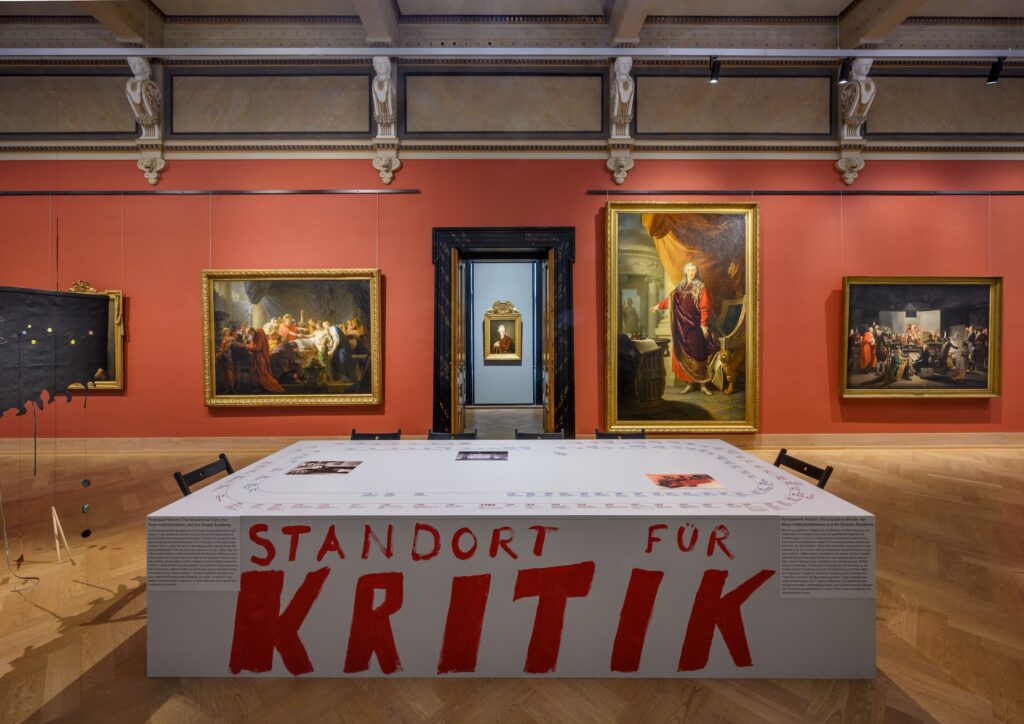
Der große Michelangelo ist tot! Avantgarde & Akademismus. exhibition, Gemäldegalerie der Akademie der bildenden Künste Wien, Vienna, 2026/27
This year, the Academy of Fine Arts on Schillerplatz is celebrating its 300th anniversary – reason enough for a major exhibition. However, the theme of ‘The Great Michelangelo Is Dead! Avant-garde and Academicism’, curated by Helmut Draxler, is not the academy’s own history, but rather a ‘journey through the history of the academy(ies) and their anti-academic adversaries’ (press release).
Born in Graz in 1956, the cultural theorist takes Vasari – or rather Michelangelo, who for Vasari was the ‘epitome of the “divine” artist’ (press release) – as his starting point. Naturally, Draxler cannot simply accept such a description and uses it as the basis for an exhibition centred on the central dichotomy of ‘academicism versus the avant-garde’. The thesis: it is not a case of ‘either/or’, but rather one of mutual influence.
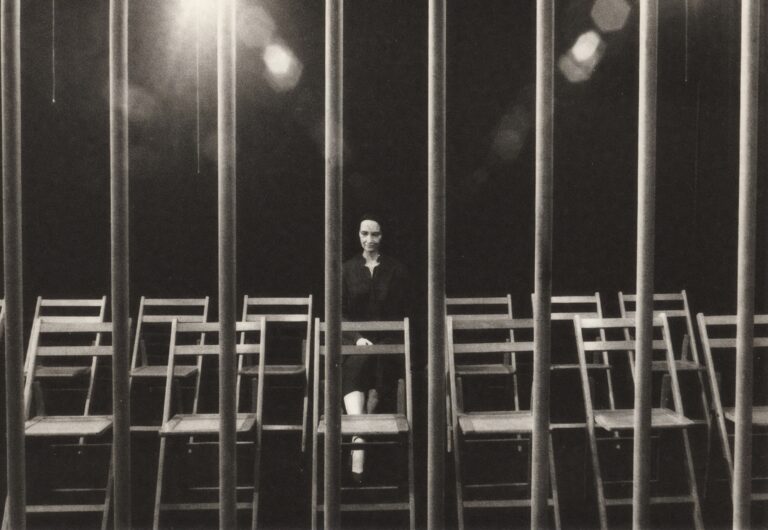
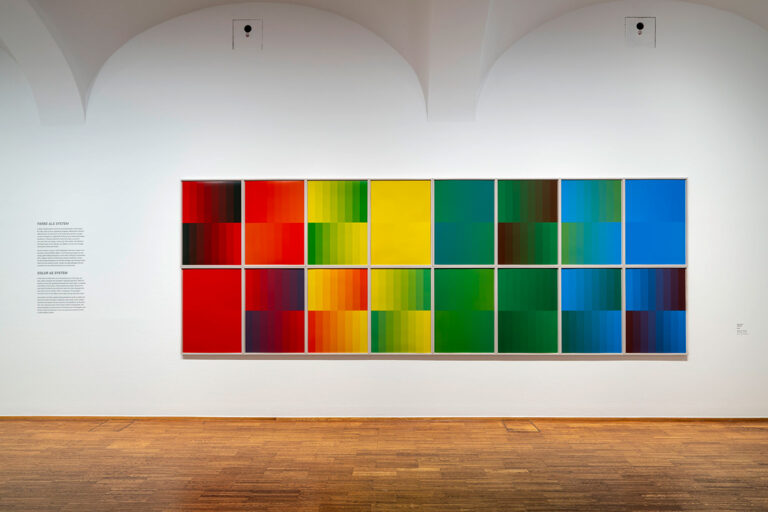
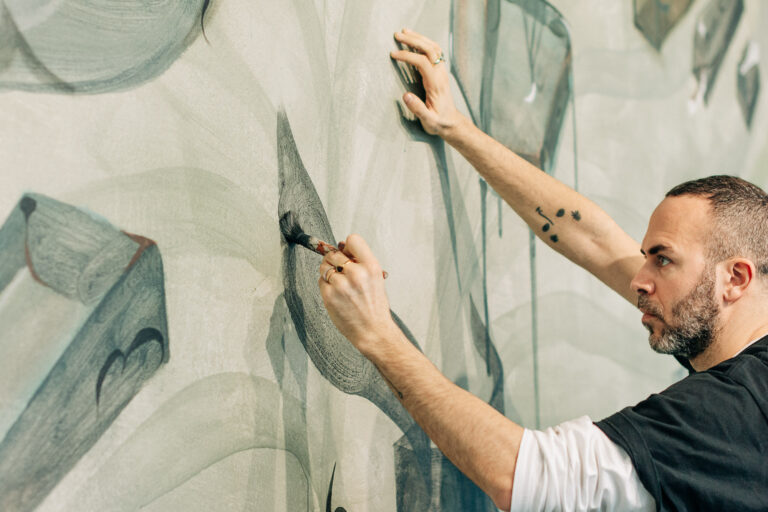
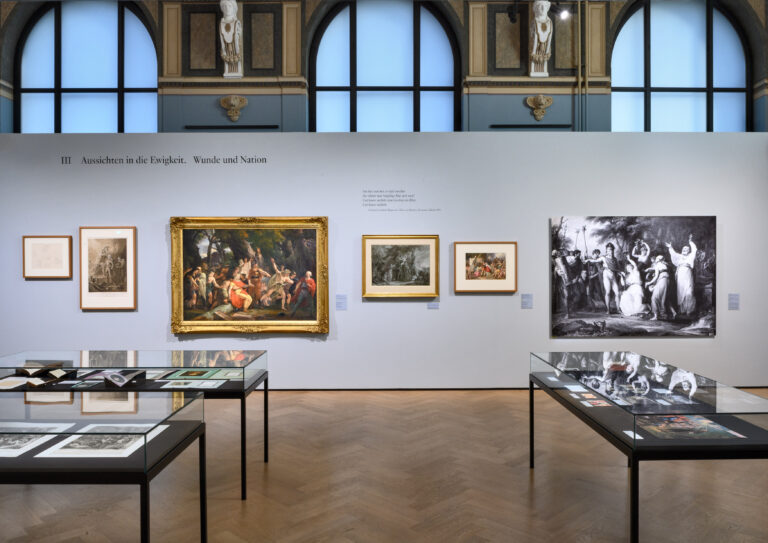
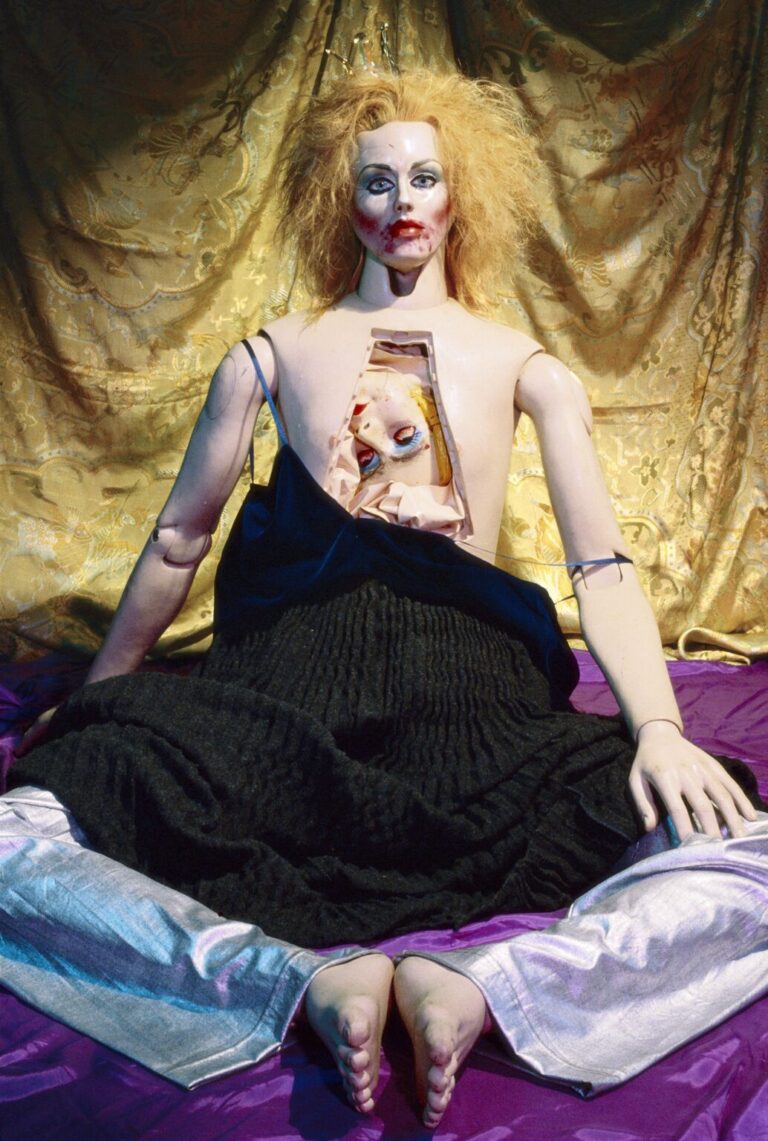
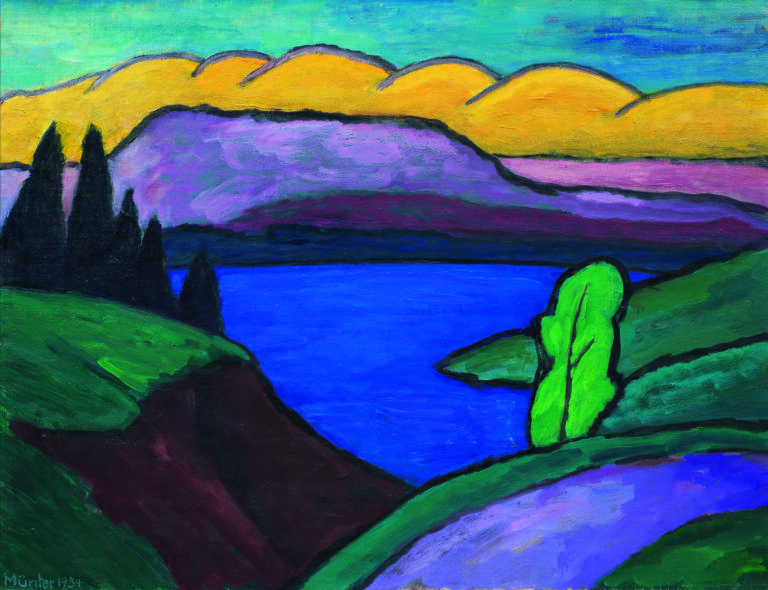
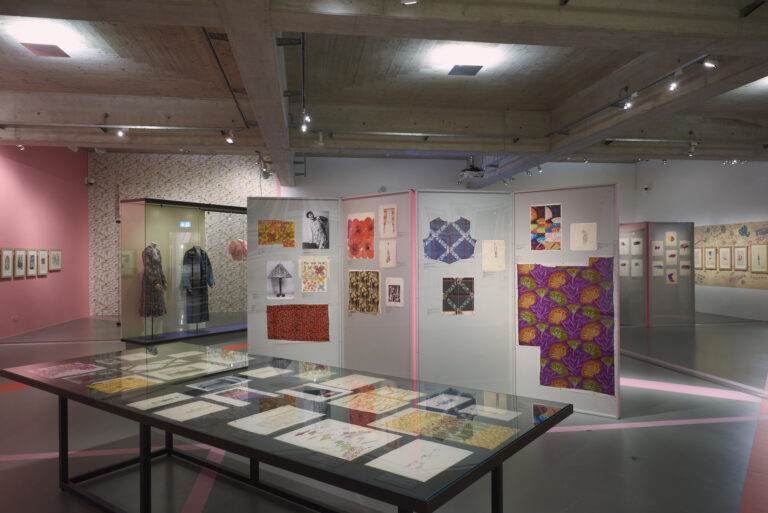
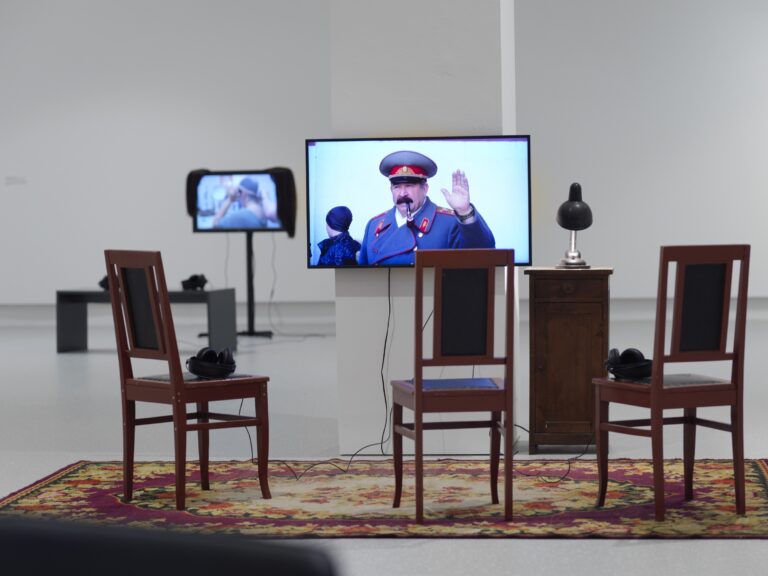
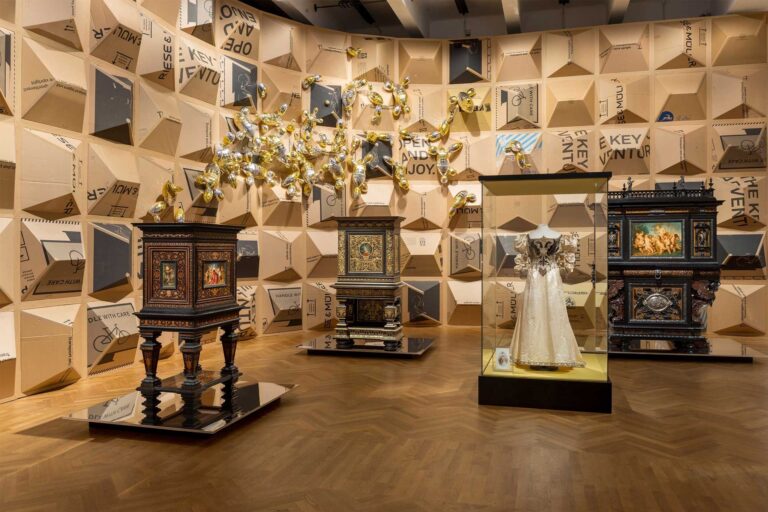
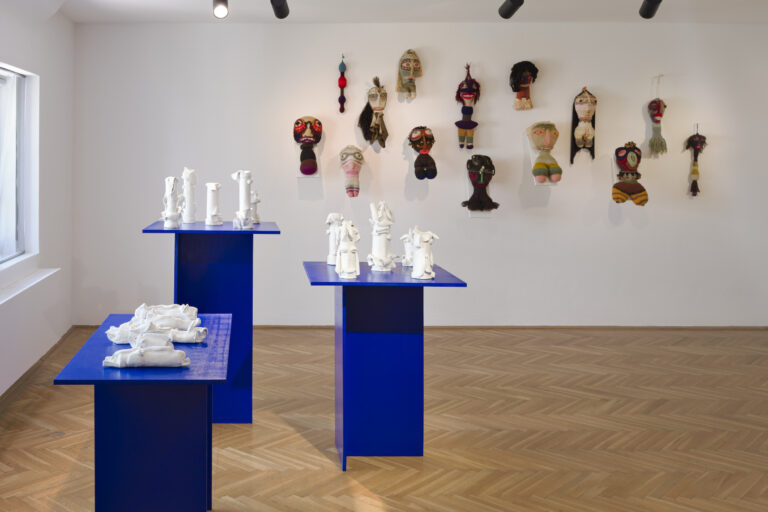
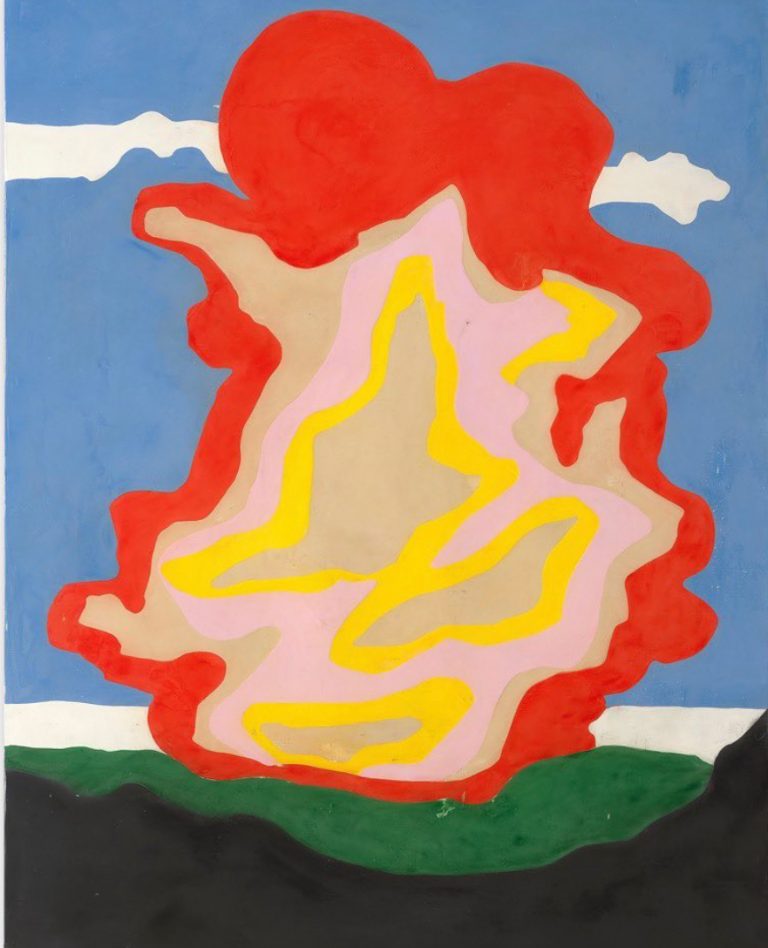
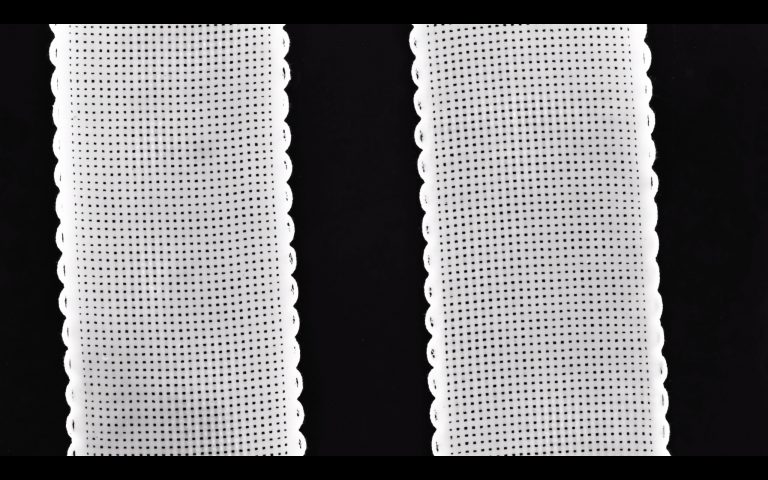
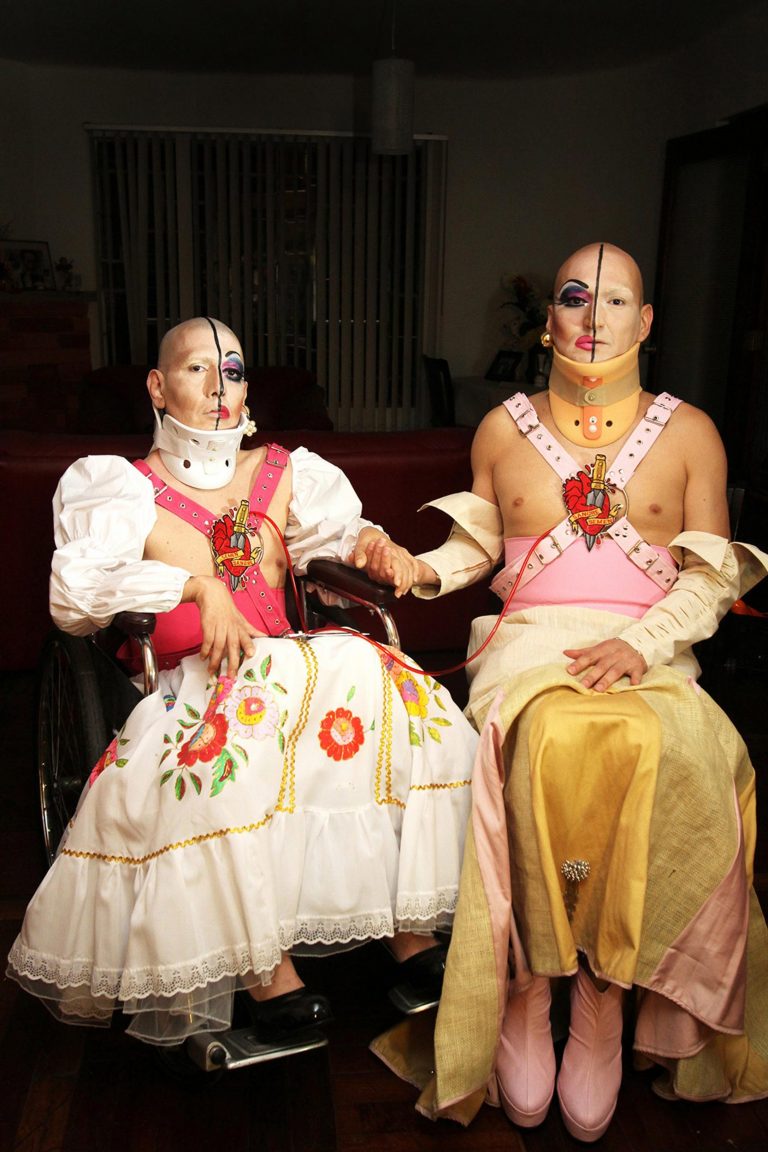
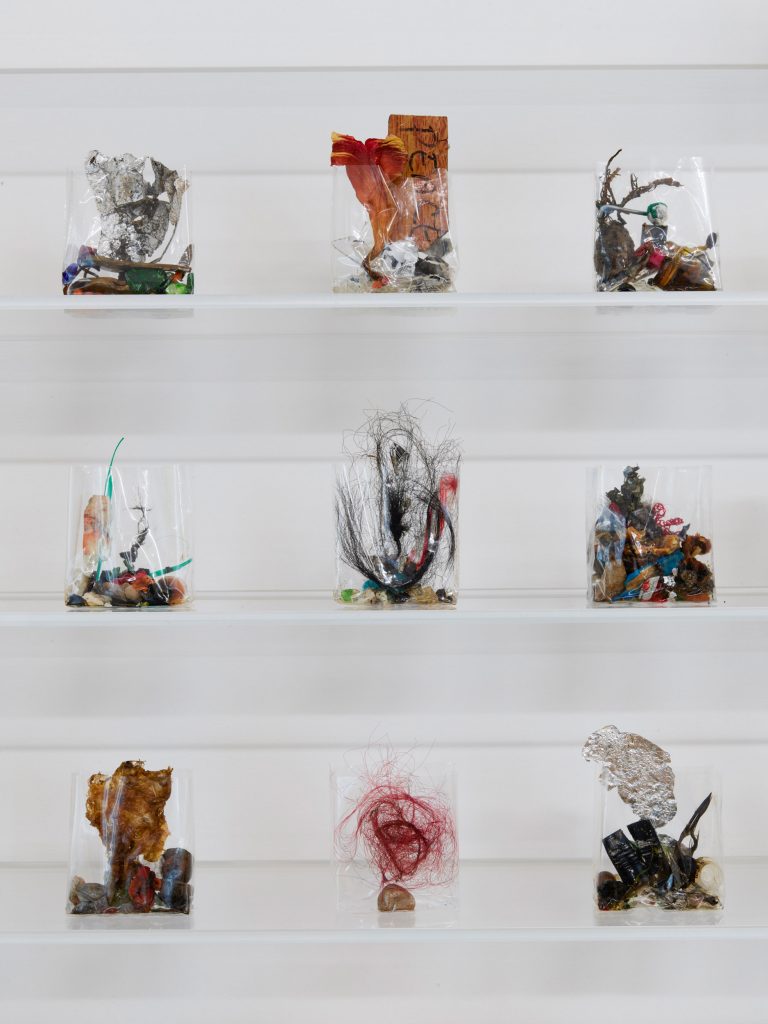
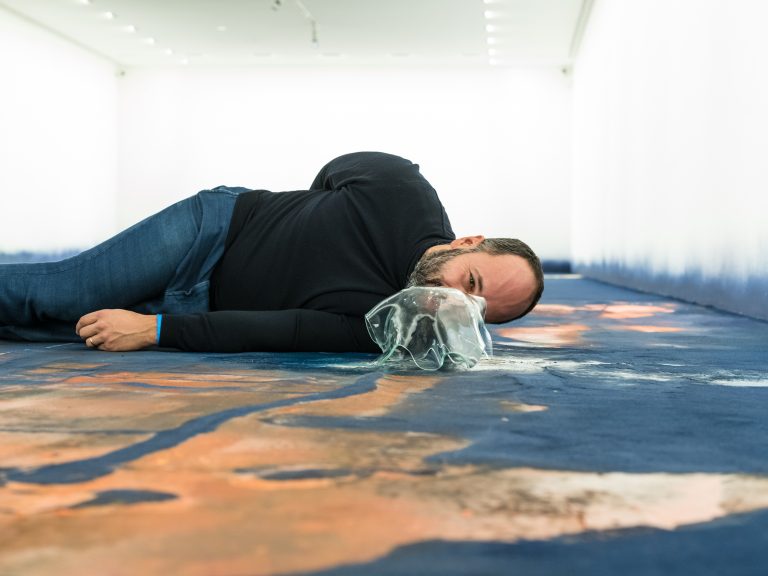
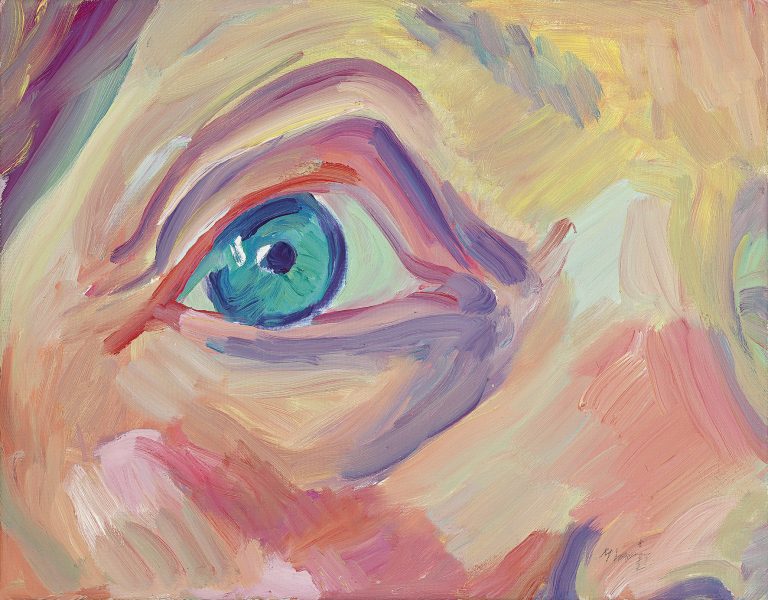
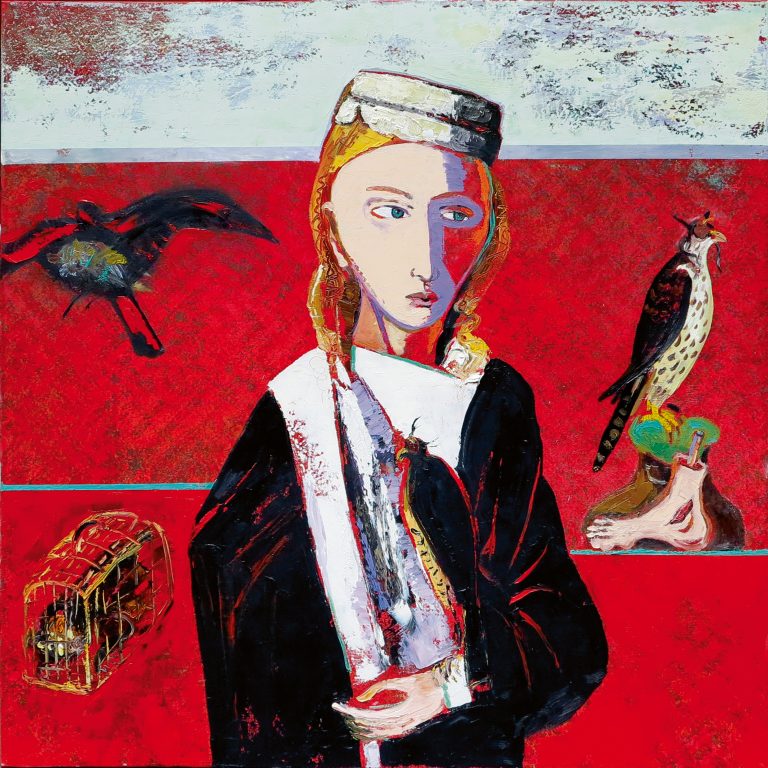
In this exhibition, magnificent works from the Academy’s collections – along with a number of loans – are juxtaposed with contemporary art: Peter Paul Rubens, Nicolas Poussin, Titian, as well as Ferdinand Georg Waldmüller and Herbert Boeckl, alongside Heimo Zobernig, Jörg Immendorff and even Abdulnasser Gharem.
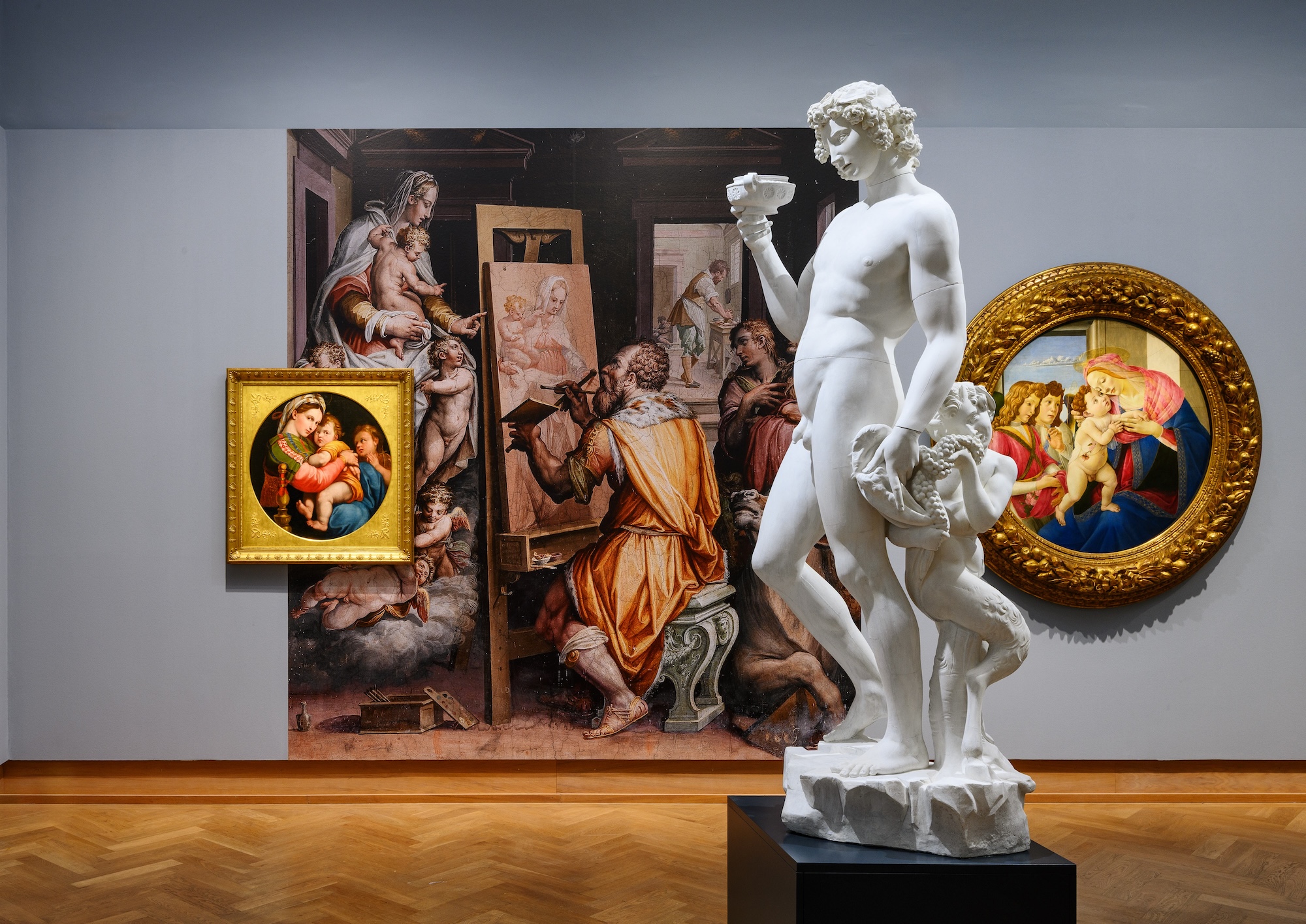
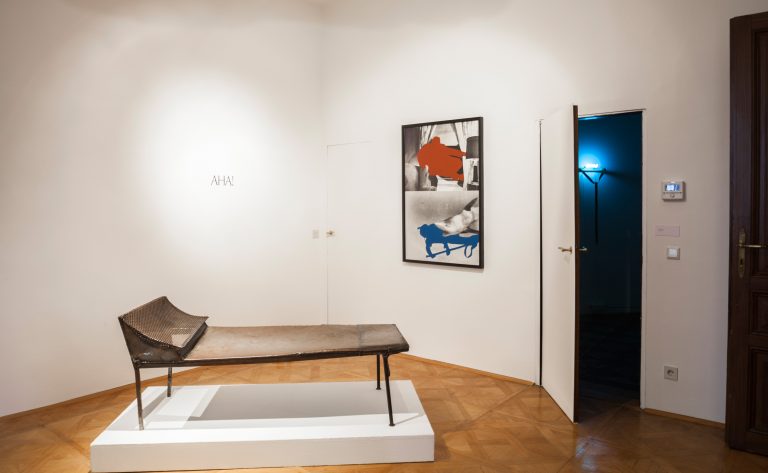
Exhibition view © Art Collections of the Academy of Fine Arts Vienna, photo: Iris Ranzinger
Born in Saudi Arabia in 1973 and living in Riyadh, Abdulnasser Gharem served for many years as an officer in the military. He came to prominence in the 2000s as part of the Saudi group Edge of Arabia; in 2011, he exhibited ‘Men at Work’ in Berlin as part of the ‘Political Patterns’ exhibition at the ifa Gallery: The combination of military force and religious architecture was not painted, but created using stamps. In the same year, his dome-shaped structure ‘Message/Messenger’ – inspired by the Dome of the Rock in Jerusalem – was auctioned at Christie’s in Dubai for $842,500 – at the time the most expensive work by a living Arab artist.
In Vienna, Gharem is exhibiting his latest work, ‘Aniconism (Painting II)’: In 2015, Gharem recreated the painting “The Nude Studio at the Vienna Academy in the St Anna Building” by Martin Ferdinand Quadal (1787), a group portrait of Viennese artists – which Gharem re-enacts with his fellow artists in traditional Arab attire. For the current painting, Gharem commissioned a Vienna-trained copyist to execute this scene as an oil painting in Quadal’s style.
This transposition of a historical academic painting into the Saudi context – including the covering of naked, primary sexual organs – fits perfectly into this exhibition: It fulfils the demand inherent in our understanding of art that works should draw on the past whilst simultaneously presenting something new; that what was once new later becomes part of the traditional canon; that the avant-garde can become academic; and – as the exhibition suggests – that academic art can once again become modern.
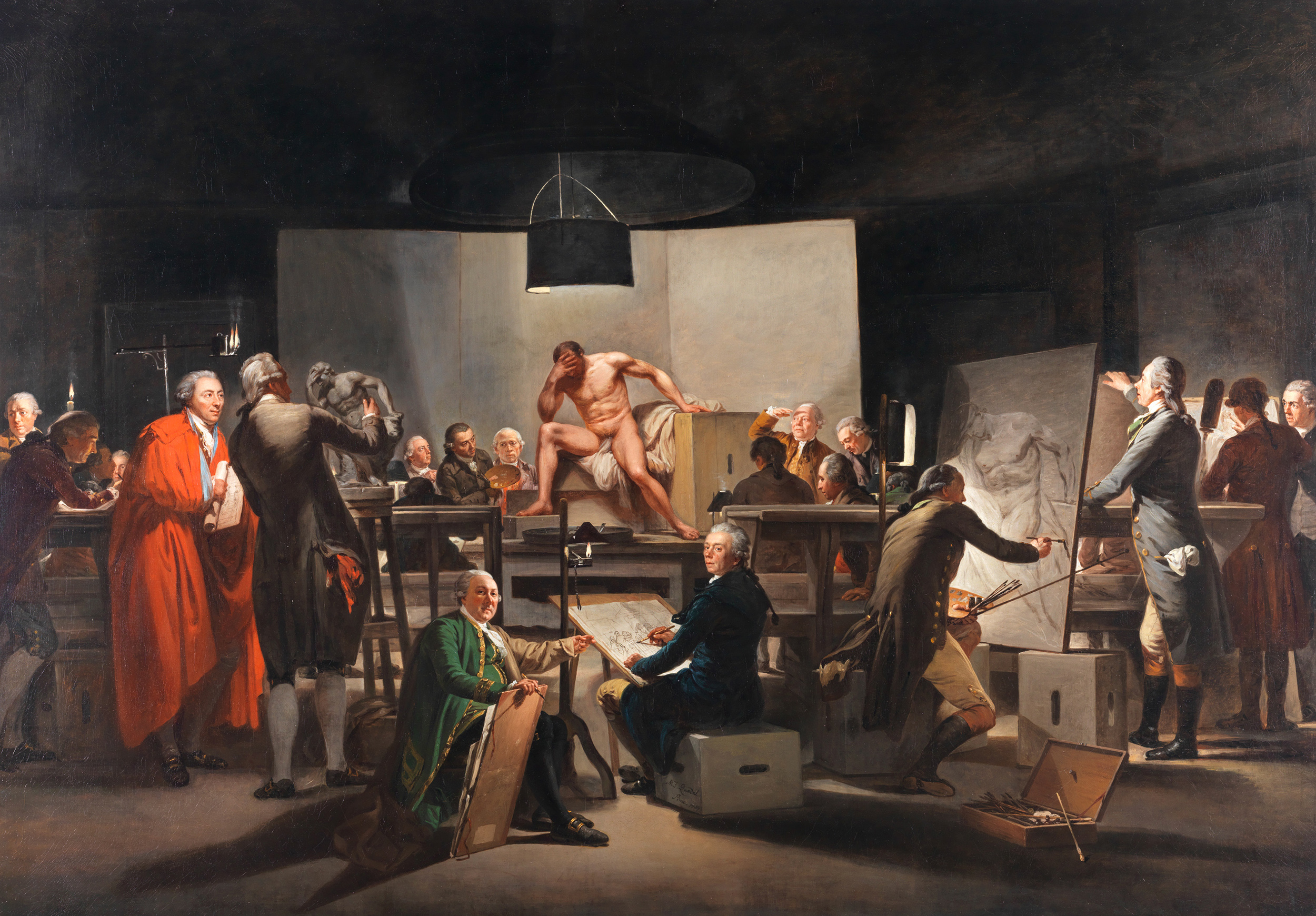
Martin Ferdinand Quadal, The Life Class of the Vienna Academy in the St Anne Building, 1787 © Paintings Gallery of the Academy of Fine Arts Vienna
With its 15 chapters, the exhibition is an academic retelling of a long (art) history – a must-see for schools and art history seminars. Yet, with its contemporary perspectives, it is also – albeit rather unwittingly – a reaffirmation of the current crisis facing the academies. It is not only in the simultaneous – albeit spatially separate – presentation of Quadal and Gharem that a striking difference in the quality of the painting is impossible to overlook. Intentional? Unlikely. In general, contemporary artists can scarcely hold their own here against the Old Masters; time and again, the works on the walls appear anecdotal or all too amateurish.
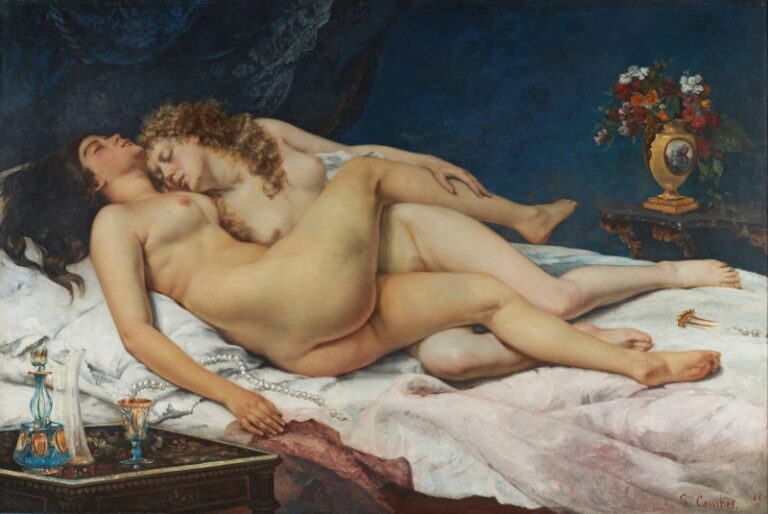
Could this have something to do with contemporary art education? Artists such as Gustave Courbet, who vociferously rejected training at the academy, did not simply set about painting in a rebellious manner; rather, he received drawing and painting lessons as a teenager, studied and copied the Old Masters. Perhaps art academies should no longer focus solely on conceptual flair, research and a capacity for experimentation, but actively incorporate Draxler’s thesis on the mutual influence of academicism and the avant-garde into their teaching?
The Great Michelangelo is Dead!
Avant-Garde and Academicism
2 October 2026 – 22 August 2027
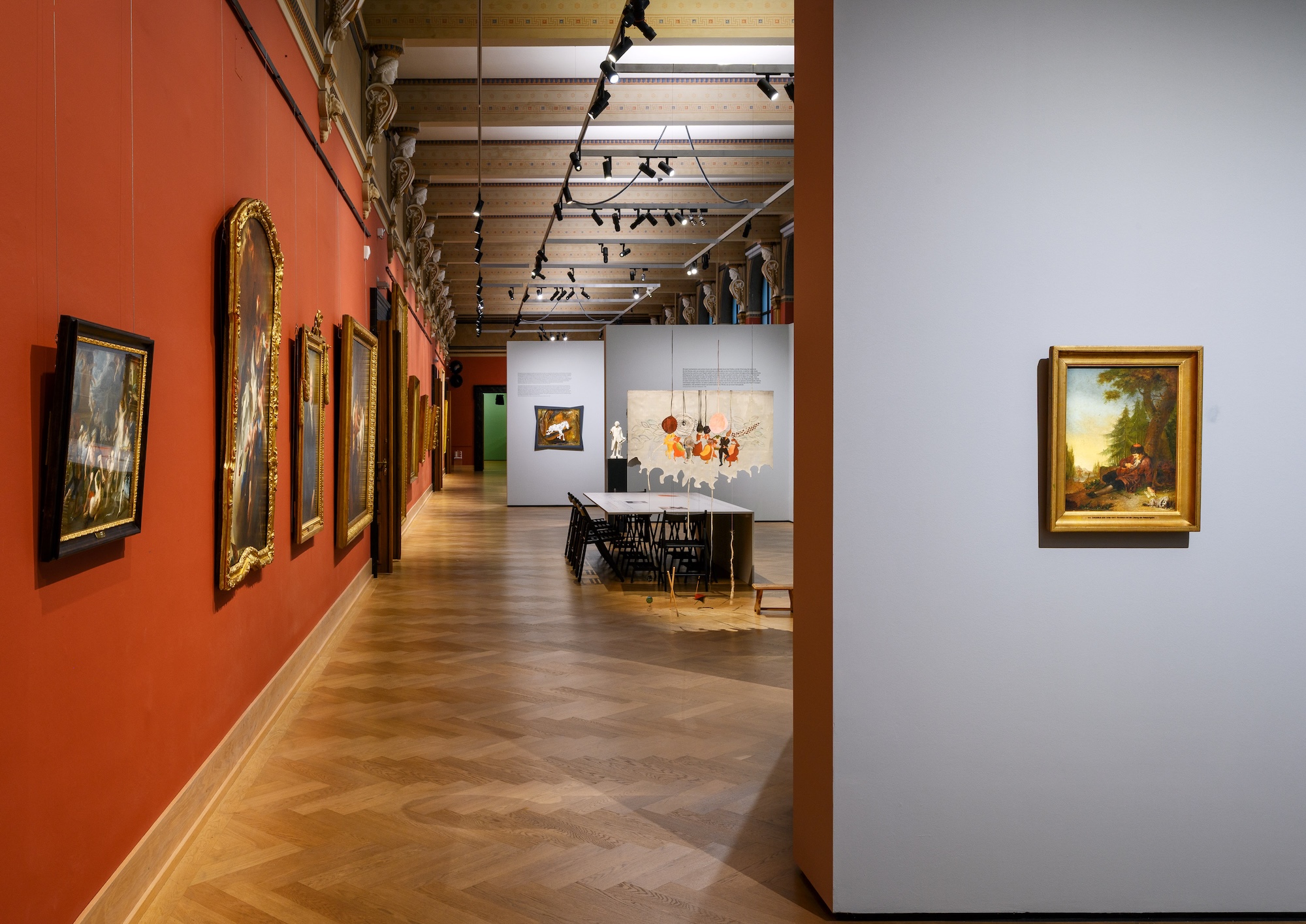
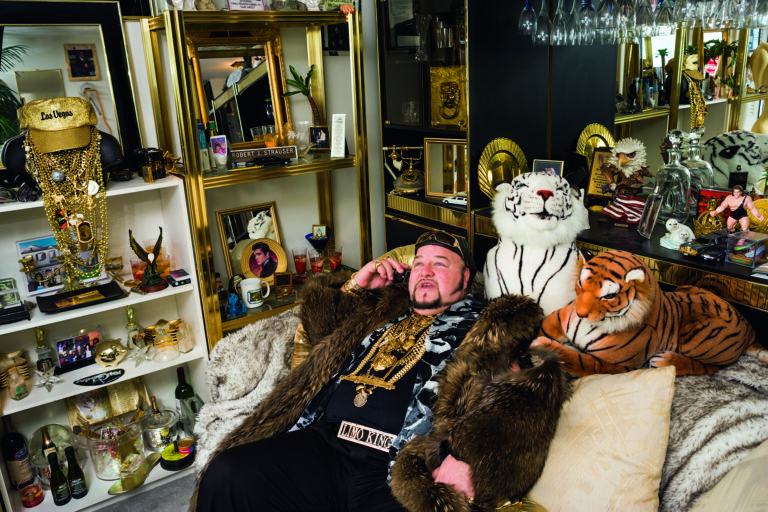
Exhibition view © Art Collections of the Academy of Fine Arts Vienna, photo: Iris Ranzinger