29/05/2026
Eintritt frei
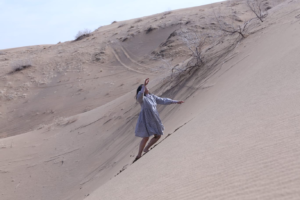
SPRING: Landscape
05/09/2026
Eintritt frei
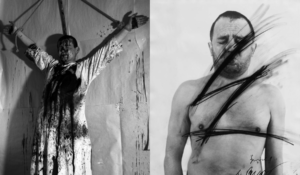
persona. fragments of identity
01/05/2026
Ausstellung
Lebt und arbeitet in Wien: Contemporary Art from Vienna
13/05/2026
Eintritt frei
A Chicken Can’t Lay a Duck Egg: Claudia Märzendorfer
20/06/2026
Ausstellung
Tolia Astakhishvili: ‚Figure of the Child‘
05/11/2026
Eröffnung
Eröffnung: Franz West
06/11/2026
Führung
VIENNA ART WEEK FÜR ALLE: „Wien – Geschichte – Zukunft“ – Rundgang durch die Schausammlung in einfacher Sprache
06/11/2026
Führung
Exkursion des Az W: Studio Visits beim Institute of Building Research & Innovation und juri troy architects
06/11/2026
Performance
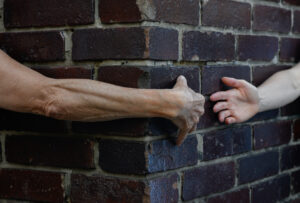
Performance Workshop und Offenes Fotostudio: “Gesten der Begegnung“
06/11/2026
Führung
Kuratorische Führung und Performance: ‚Off the Precipice‘
06/11/2026
Eröffnung
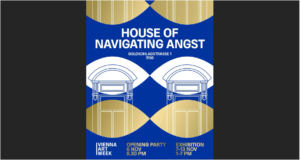
Eröffnung: ‘House of Navigating Angst’
06/11/2026
Führung
VIENNA ART WEEK FÜR ALLE: Führung mit ÖGS-Dolmetscherin Eva Böhm durch die Ausstellungen von Bernhard Leitner, Lap-See Lam und JJJJJerome Ellis
06/11/2026
Eröffnung
Eröffnung: ‚Linda Christanell. Die Gaben der Göttin‘
06/11/2026
Führung
Gallery Tour 1
06/11/2026
Führung
Gallery Tour 2
06/11/2026
Führung
VIENNA ART WEEK FÜR ALLE: Tastführung zu Meisterwerken der Renaissance und des Barock: „Schattenseiten und Lichtblicke“ + Angebot Begleitdienst
07/11/2026
Führung
AUSGEBUCHT: Ausstellungsrundgang: ‘tierisch menschlich’
07/11/2026
Führung
VIENNA ART WEEK FÜR ALLE: Rundgang in einfacher Sprache durch die Ausstellung ‘tierisch menschlich’
07/11/2026
Eröffnung
Eröffnung: ‘Wolfram Ullrich’
07/11/2026
Eröffnung
Eröffnung: ‚Currently Not Available in Your Country or Region‘
07/11/2026
Eröffnung
Eröffnung: ‚Curators’ Agenda Final Group Exhibition‘
07/11/2026
Eintritt frei
13-19h – Ausstellung: ‘House of Navigating Angst’
07/11/2026
Führung
Motto-Spezialtour: “NAVIGATING ANGST – Wovor hat die Macht Angst?”
07/11/2026
Führung
VIENNA ART WEEK FÜR ALLE: Barrierefreie Shuttle Tour 1
07/11/2026
Führung
Open Studio Days: District Tour 1 – 7. Bezirk
07/11/2026
Führung
Open Studio Days: District Tour 3 – 16. & 17. Bezirk
07/11/2026
Führung
Open Studio Days: District Tour 2 – 4. & 5. Bezirk
07/11/2026
Führung
Open Studio Fearless Tour
07/11/2026
Führung
VIENNA ART WEEK FÜR ALLE: Barrierefreier geführter Rundgang durch PART International Art Residency Austria
07/11/2026
Führung
Geführter Rundgang durch die Praterateliers des Bundes mit Maria Holter and Klaus Speidel – 1
07/11/2026
Führung
Gallery & Independent Spaces Tour 3
07/11/2026
Eröffnung
Eröffnung: ‚FORMER MINE: Marie Vermont‘
07/11/2026
Special Event
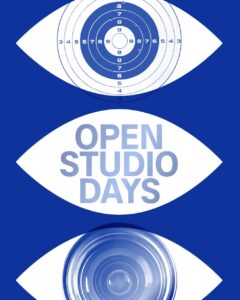
Open Studio Days 2026
07/11/2026
Eröffnung
Performance & Eröffnung: ‚Der Bau‘
07/11/2026
Eröffnung
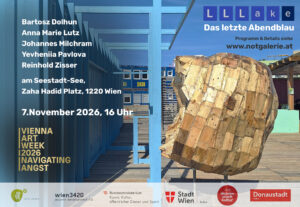
Eröffnung: ‚Das letzte Abendblau‘
26/06/2026
Ausstellung
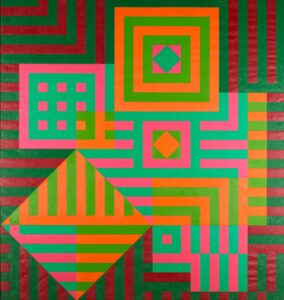
Vasarely – Adrian: Bewegte Bilder
08/11/2026
Führung
„MMMQ – Archäologie der Gegenwart“ – Performance von Thomas Geiger anlässlich des 25. Jubiläums des MQ
08/11/2026
Eröffnung
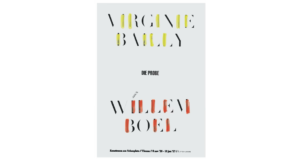
Eröffnung: ‘Virginie Bailly / Willem Boel: Die Probe’, kuratiert von Roxane Baeyens
08/11/2026
Führung
„MMMQ – Archäologie der Gegenwart“ – Performance von Thomas Geiger anlässlich des 25. Jubiläums des MQ
08/11/2026
Führung
VIENNA ART WEEK FÜR ALLE: Tour mit ÖGS-Dolmetschung durch ‘Seeds. Reclaiming Roots, Sowing Futures’
08/11/2026
Eintritt frei
13-19h – Ausstellung: ‘House of Navigating Angst’
08/11/2026
Führung
VIENNA ART WEEK FÜR ALLE: Barrierefreie Shuttle Tour 2
08/11/2026
Führung
Open Studio Days: District Tour 5 – 2., 9. und 20. Bezirk
08/11/2026
Lecture
Exhibition, Performance, Lecture & Screenings: „In Limbo or On how to move on“
08/11/2026
Eröffnung
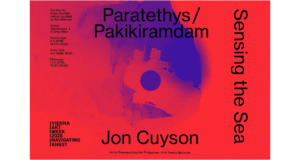
Eröffnung: ‚Jon Cuyson: PARATETHYS/PAKIKIRAMDAM (Sensing the Sea)‘
08/11/2026
Führung
Geführter Rundgang durch die Bundesateliers Wattgasse mit Ruth Horak und Katja Stecher
08/11/2026
Führung
Open Studio Days: District Tour 4 – 1. & 3. Bezirk
08/11/2026
Führung
Geführter Rundgang durch die Bundesateliers Westbahnstraße mit Ruth Horak und Katja Stecher
08/11/2026
Special Event
Open Studio Days 2026
08/11/2026
Führung
Kuratorinnenführung durch ‘Elisabeth von Samsonow’ mit Hana O.O. Haas
08/11/2026
Führung
Geführter Rundgang durch die Praterateliers des Bundes mit Maria Holter and Klaus Speidel – 2
09/11/2026
Talk
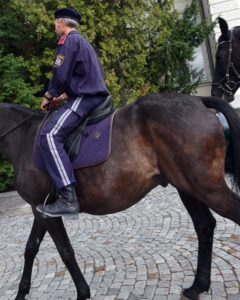
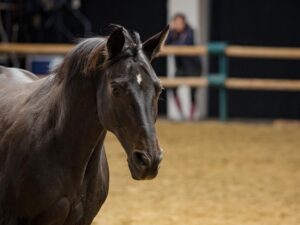
Artist Talk mit Jonas Höschl, Anne Zühlke und Josef Rosengarten: ‘JONAS HÖSCHL | Polizeipferde für Österreich’
09/11/2026
Lecture
NAVIGATING ANGST Line-up 2026 | Keynote von Ivan Krastev: “When We Went to See the End of the World”
09/11/2026
Talk
NAVIGATING ANGST Line-up 2026 | Podiumsdiskussion mit Sepp Schellhorn, Bettina Leidl, Kateryna Lysovenko, Oleksandra Saienko und Silvie Aigner
24/10/2025
Ausstellung
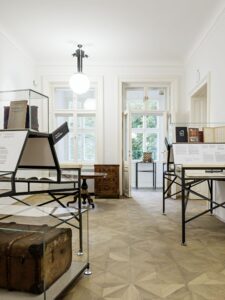
Der Fall Freud: Dokumente des Unrechts
09/11/2026
Führung
Artist Talk mit Daniel Hölzl und STRABAG ART-Leiter Sebastian Haselsteiner
09/11/2026
Führung
VIENNA ART WEEK FÜR ALLE: “Einfach Kunst” – Rundgang in einfacher Sprache durch die Ausstellung ‘Wien 1900. Aufbruch in die Moderne’
09/11/2026
Eintritt frei
13-19h – Ausstellung: ‘House of Navigating Angst’
09/11/2026
Special Event
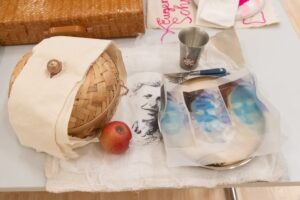
„Ein Lichtblick“ – Ausstellung und partizipatives Picknick
09/11/2026
Führung
Independent Art Spaces Tour 1: Künstlerhaus Vereinigung, Operngasse 4, DAS WEISSE HAUS
09/11/2026
Führung
VIENNA ART WEEK FÜR ALLE: “Herz über Kopf” – Teilhabeorientierte Führung inkl. Workshop für Menschen mit Demenz, Angehörige und Begleitpersonen
10/11/2026
Talk
“Im Fundus arbeiten” – Talk mit Thomas Demand, Künstler, und Anna Viebrock, Kuratorin, Bühnen- und Kostümbildnerin und Regisseurin
10/11/2026
Talk
Katharina Höglinger im Gespräch mit Astrid Peterle – Artist Talk zur Ausstellung in der MQ Art Box
10/11/2026
Eröffnung
Eröffnung und Gastvortrag: ‘Nitsch & Arnulf Rainer’ – Radikale Umbrüche in der Kunst des 20. Jahrhunderts’
10/11/2026
Führung
Rundgang mit Direktor Georg Hoffmann durch die Ausstellung ‘Gewalt – Gesellschaft‘, basierend auf ‘HOPE. Ein Kurzfilm der iranischen Filmemacherin Maryam Kouhestani’
10/11/2026
Führung
Führung durch ‘Franz West’
10/11/2026
Talk
Artist Talk mit Berthold Ecker: ‚WERKSCHAU XXXI GABRIELE ROTHEMANN‘
10/11/2026
Führung
Kuratorinnenführung: ‘Feminist Futures Forever’
10/11/2026
Eintritt frei
13-19h – Ausstellung: ‘House of Navigating Angst’
10/11/2026
Talk
“Kill your car before it kills you – Klimakrise, Klimaangst und Aktivismus“ – Gespräch mit Folke Köbberling, Reinhard Steurer und Ida Zahradnik
10/11/2026
Eröffnung
Eröffnung: ‚BotenStoff‘
10/11/2026
Führung
„Die Angst verwalten: Ökonomie des Seelenheils“ – Führung zur Heilserwartung im Werk Albrecht Dürers
10/11/2026
Führung
Independent Art Spaces Tour 2: philomena+, Moos Atelier, flat1
10/11/2026
Führung
„Krieg und Kolonialismus: Handlungsfähigkeit trotz Angst?“ – Führung durch die Sonderausstellung ‘Blutregen. Fotografie und Waffenhandel’
10/11/2026
Führung
VIENNA ART WEEK FÜR ALLE: Hör- und Tastführung in ‘Monet bis Picasso’ + Angebot Begleitdienst
11/11/2026
Performance
“Fulgurit-Flöte” – Talk & Performance im Naturhistorischen Museum
11/11/2026
Talk
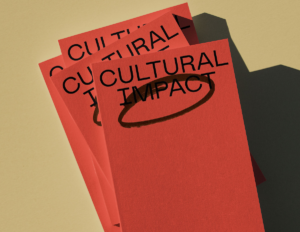
„Cultural Impact“ – Buchpräsentation und Podiumsdiskussion mit Doris Rothauer
11/11/2026
Führung
Kurator:innenführung durch ‘Seeds. Reclaiming Roots, Sowing Futures’
11/11/2026
Eröffnung
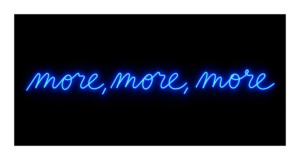
Eröffnung: ‘Renata Poljak. More’
11/11/2026
Führung
Führung durch ‘Picasso – Bacon’
11/11/2026
Führung
“Der große Michelangelo ist tot! Avantgarde und Akademismus” – Kuratorenführung mit Helmut Draxler
11/11/2026
Talk
Klaus Speidel: „Wiener KI-Gespräche: ‚Navigating Art in the Age of AI Angst‘ “
11/11/2026
Eintritt frei
13-19h – Ausstellung: ‘House of Navigating Angst’
11/11/2026
Eröffnung
Eröffnung: ‚Raffael Strasser: 82,2 kg Blei‘
11/11/2026
Performance
Performance & Podiumsdiskussion: ‘Residual~Futures: Presence and Interaction with Unnoticed Entities’
11/11/2026
VAW für alle
VIENNA ART WEEK FÜR ALLE: Inklusive Tastführung: „Zum Greifen nah“ + Angebot Begleitdienst
11/11/2026
Eröffnung
Eröffnung: ‚Sylvia Eckermann / Gerald Nestler / Aaron Berman: ABLAZE. A tomography of artificial power‘
11/11/2026
Führung
Kurator:innenführung: “Kunst im ‘nervösen Zeitalter'”
12/11/2026
Eröffnung
VIENNA ART WEEK FÜR ALLE: Eröffnung: ‘Blut und Kaffee’
12/11/2026
Führung
“Wie Angst sichtbar wird” – dialogischer Rundgang mit Traumatherapeutin Cristina Budroni und Direktorin Johanna Schwanberg
12/11/2026
Eröffnung
Eröffnung: ‘FOTOGRAFIE AM BRILLANTENGRUND’
12/11/2026
Eröffnung
VIENNA ART WEEK FÜR ALLE: Ausstellungseröffnung mit ÖGS-Dolmetschung ‘Tiffany Sia: Overt Listening’
12/11/2026
Talk
Artist Talk: Tiffany Sia im Gespräch mit Eva Sangiorgi
12/11/2026
Lecture
“Austrian Angst und Wiener Aktionismus” – Vortrag von Direktor Klaus Albrecht Schröder
12/11/2026
Eröffnung
Ausstellungseröffnung & Performance: ‘Civa – Contemporary Immersive Virtual Art: postacceleration’
12/11/2026
Eintritt frei
13-19h – Ausstellung: ‘House of Navigating Angst’
12/11/2026
Führung
Independent Art Spaces Tour 3: Jugend am Werk, Mz*Baltazar’s Laboratory, Glaspavillon 20. Bezirksmuseum
12/11/2026
Screening
Screening: “{Gegenpol} habitamus polaris”
12/11/2026
Performance
Kollektive Performance: „Open Your Cases“
12/11/2026
Special Event
“Aus der Angst schöpfen” – Psychoanalytischer Gruppendialog – Leonardo
13/11/2026
Talk
Buchpräsentation von Tone Fink mit PARNASS-Chefredakteurin Silvie Aigner
13/11/2026
Führung
VIENNA ART WEEK FÜR ALLE: Führung mit ÖGS-Dolmetschung durch die Ausstellung ‘Tiffany Sia: Overt Listening’
13/11/2026
Führung
VIENNA ART WEEK FÜR ALLE: Führung in einfacher Sprache: “Einfach gesagt: Mutige Perspektiven”
13/11/2026
Eintritt frei
13-19h – Ausstellung: ‘House of Navigating Angst’
13/11/2026
Eröffnung
Eröffnung: ‘Push and Pull: A Furniture Comedy’
13/11/2026
Führung
Kuratorinnenführung durch die Ausstellung ‘HOUSE OF LEARNING SYSTEMS’
13/11/2026
Führung
‘Good Luck Mütterchen xx’ – Kuratorinnenführung und Mama’s House mit DJn KiaOraKlub
13/11/2026
Führung
VIENNA ART WEEK FÜR ALLE: „Navigating Angst“ – Führung mit ÖGS-Simultanübersetzung zu Meisterwerken der Renaissance und des Barock
13/11/2026
Führung
Führung: ‚Liminal Spaces‘ von Bernd Oppl
13/11/2026
Lecture
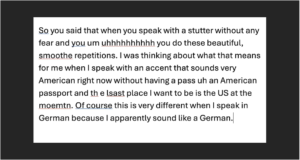
Lecture Performance von Marianne Vlaschits und Chanyoung Park: “Where we stutter with pride and we speak with an accent with joy”
13/11/2026
Special Event
‘Sophie Dvořák: Landscape of Events’ – Finissage der Ausstellung und Gesprächsrunde
21/10/2026
Eintritt frei
JONAS HÖSCHL | Polizeipferde für Österreich
03/07/2027
Ausstellung
Erna Rosenstein: Jenseits der Stille
10/09/2026
Ausstellung
OTTO MUEHL: Kunst am Abgrund
03/06/2026
Ausstellung
OTTO MEETS ALBERTINA
24/07/2026
Ausstellung
HERBERT BOECKL – HANS JOSEPHSOHN: Archetypen des Figuralen
29/04/2026
Ausstellung
VALLY WIESELTHIER: Bild und Ton
30/10/2026
Ausstellung
Künstlerinnen der ALBERTINA
30/06/2026
Ausstellung
Vision und Widerstand – Wie das MuseumsQuartier die Stadt Wien veränderte
18/09/2026
Ausstellung
Picasso – Bacon: What It Feels Like to Be Human
13/11/2026
Ausstellung
Tiffany Sia: Overt Listening
18/09/2026
Ausstellung
Erika Giovanna Klien: Alles ist Bewegung
20/06/2026
Ausstellung
Terminal Piece
10/04/2026
Ausstellung
Seeds: Reclaiming Roots, Sowing Futures
19/09/2026
Ausstellung
Elisabeth von Samsonow
09/10/2026
Ausstellung
SHARA HUGHES
13/11/2026
Ausstellung
NEU. SACHLICH. Fotografie der 1920er- und 1930er-Jahre
05/11/2026
Ausstellung
FEMINIST FUTURES FOREVER
06/11/2026
Ausstellung
Franz West
02/12/2026
Eröffnung
100 BESTE PLAKATE 25. Deutschland Österreich Schweiz
04/11/2026
Ausstellung
Temporär. Strukturen der Notwendigkeit
24/11/2026
Ausstellung
DOWN UNDER: Kunst aus Australien
05/12/2026
Ausstellung
Verena Paravel: Cosmofonia
17/04/2026
Ausstellung
My Story: Antike Frauenporträts und ihr Nachleben